


US3 min(s) read
Who is automatically disqualified from military service as fears of WW3 increase

As tensions with Iran intensify and instability in the region continues, concerns about a possible U.S. military draft have surged.
With the National Defense Authorization Act (NDAA) now fully in place, the system around military service has changed considerably from earlier discussions.
Here’s where things currently stand, who could be affected, and what’s different as the U.S. faces what could become its largest military operation in decades.
Rules on registration
One of the biggest changes is the introduction of automatic Selective Service registration.
Under the updated system, eligible individuals no longer need to sign up manually.
Instead, the government registers them automatically using federal data such as DMV and Social Security records.
Failing to comply is still considered a serious offense.
Not registering can be treated as a felony, carrying penalties of up to five years in prison and fines of up to $250,000.
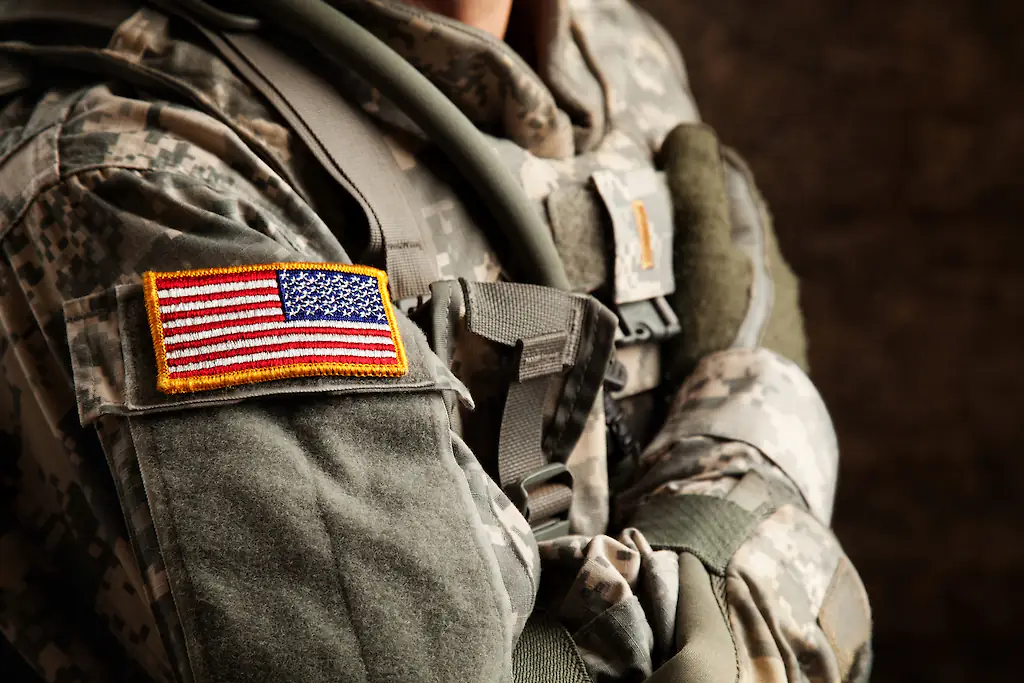
Moreover, immigrant men aged between 18 and 25 living in the U.S. are generally required to register, with only limited exceptions.
Those on valid non-immigrant visas, such as student or tourist visas, are exempt as long as their status remains valid until the age of 26.
Dual U.S. nationals must also register within 30 days of turning 18, regardless of whether they live in the United States or are based abroad.
Despite ongoing debate in recent years, there is currently no requirement for women to register for the draft.
However, officials have indicated the system could expand if laws change.
As the Selective Service notes, it is 'prepared to expand registration' if needed.
Exemptions and penalties for failure to comply
.jpg_Tb6awo?tr=f-webp,q-70,w-1024)
Even with heightened readiness, not everyone is eligible for military service. Certain groups are exempt, including:
- Individuals on valid non-immigrant visas
- Active-duty members of the armed forces
- Students at U.S. military academies
- Those who are incarcerated or institutionalised (though they must register after release)
- Some individuals may qualify for deferments rather than full exemption. These include:
- Religious ministers or divinity students, who can request a “Ministerial Deferment”
- People supporting dependents, who may apply for hardship deferments
- Conscientious objectors, who oppose war on moral or religious grounds and may be assigned non-combat roles or civilian service
Despite their being automatic registration in place, trying to evade the system can lead to serious consequences, including:
- Felony charges, with up to five years in prison
- Fines reaching $250,000
- Loss of access to federal benefits, including student loans, job training programmes, and government employment
As the situation evolves, the possibility of a draft remains uncertain, but the systems to carry one out are firmly in place.