


US4 min(s) read
Boy, 11, finds huge tooth of Megalodon extinct for millions of years

An 11-year-old boy made the discovery of a lifetime while walking along a New Jersey beach.
Bo Bowers was on vacation in Sea Isle City with his father, Michael, when the pair found the four-inch megalodon tooth wedged among rocks on the beach.
The fossil belonged to the largest shark known to have ever lived, and experts say only a handful of megalodon teeth have been recorded along New Jersey's coastline.

The boy was able to reach the fossil
The father and son had been digging through rocks when they spotted the unusual object inside a narrow opening.
Michael, 42, from Pittsburgh, couldn't fit his hand into the gap, but Bo's hands were small enough to reach inside and pull the tooth free.
"I was like shocked and like excited at the same time," Bo said, per NBC Philadelphia.
His father was also shocked by what they had stumbled across.
"I never in a million years would have guessed that we would have found something like this. My son was speechless," Michael said, as cited by The Telegraph.
"It’s on my bucket list of stuff to find," he continued to NJ.com. "My knees were shaking."
The family showed the fossil to experts at the Cape May Whale Watch and Research Center and the New Jersey State Museum, where it was confirmed to be a real megalodon tooth.
Daniel Lovino of the Cape May Whale Watch and Research Center said: "It's an amazing sighting. That family's really lucky."
"There's only a handful of recorded findings of Megalodon teeth off of New Jersey's coastline," Lovino added.
Dana Ehret, natural history curator at the New Jersey State Museum, said fewer than five megalodon teeth have been found in the state.
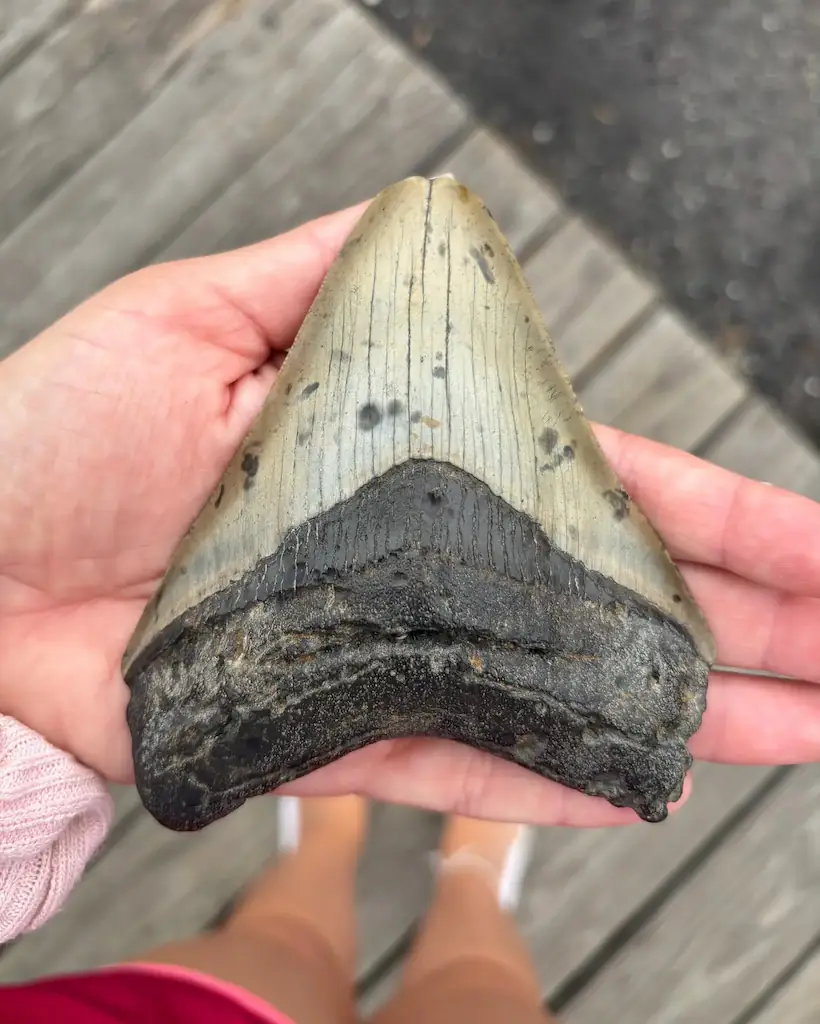
The tooth was in great condition
Matt Remuzzi of the Cape May Whale Watch and Research Center was impressed by the fossil's condition.
"It is actually the best condition Megalodon tooth I've ever seen. It was pretty incredible," Remuzzi said.
The tooth also proved substantial once the family had it in their hands. "It's actually a lot heavier than we both thought it would be," Michael said.
One noticeable chip may even offer a clue about what happened while the shark was still alive.
"This big chip on the end, they say it was probably from it biting into something, hitting the bone and it chipped it," Michael said.
Researchers believe the fossil may have been dredged from the ocean during a beach replenishment project carried out by the US Army Corps of Engineers in July before eventually being discovered by Bo.
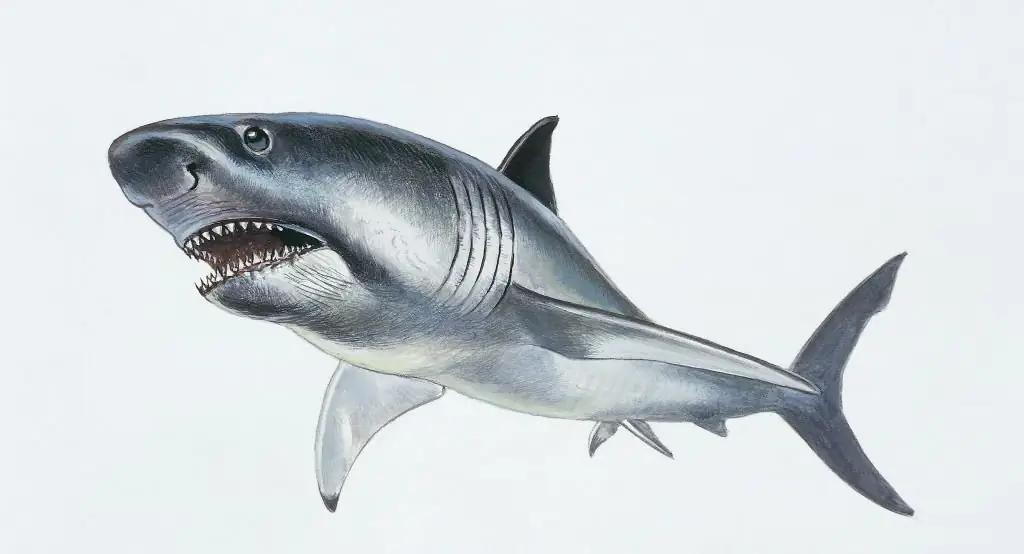
Megalodons disappeared millions of years ago
Megalodons were huge carnivorous sharks that lived in warm tropical and subtropical waters around the world.
Estimates cited in the supplied material put the biggest specimens at around 24.3 meters long and up to 94 tons, making them far larger than the largest recorded great white shark and even longer than today's largest whale sharks.
Their diet primarily consisted of large marine mammals, including baleen and toothed whales, dolphins, and seals.
Research published in Science Advances has suggested a megalodon's huge jaws could have consumed a creature the size of a killer whale in just five bites.
Scientists also believe the predator could swim at speeds of up to 3.5 kilometers per hour.
Research suggests megalodons vanished by the close of the Pliocene as the planet entered a period of global cooling, with the last of the species estimated to have died at least 3.6 million years ago.
Bo and his family now plan to hold onto their extremely rare piece of prehistoric history.
"A bucket list item for sure," Michael said.