


US4 min(s) read
Chilling theory why Donald Trump chose to give Operation Epic Fury that name
.webp_lli6Ty?tr=cr-74.9.445.380,f-webp,q-70,w-100)
A chilling theory has emerged relating to the choice of name for Operation Epic Fury, the US and Israel's strike on Iran.
As previously reported, the US and Iran conducted strikes in Iran early on Saturday morning, killing Supreme Leader Ayatollah Ali Khamenei along with multiple members of his family.
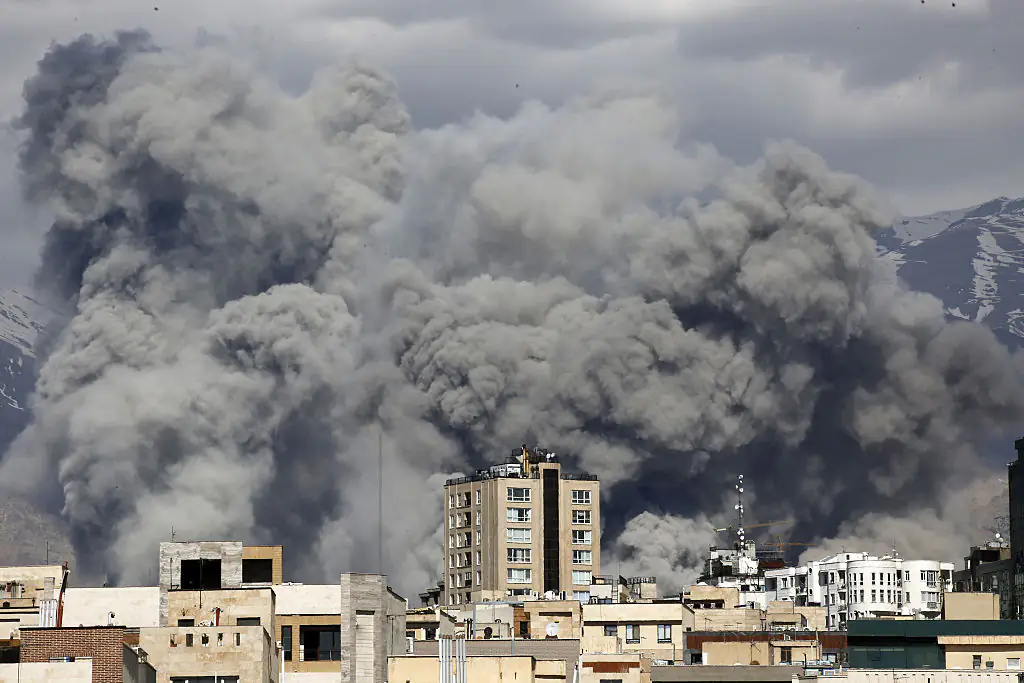
Iran quickly retaliated, targeting military bases, with other Middle Eastern locations - including Dubai - affected by debris as missiles were intercepted in the skies above.
Following the strike, Trump said in a statement: "Over the past 36 hours, the United States and its partners have launched Operation Epic Fury, one of the largest, most complex, most overwhelming military offensives the world has ever seen. Nobody’s seen anything like it.
"We have hit hundreds of targets in Iran, including Revolutionary Guard facilities, Iranian air defense systems. Just now, it was announced that we knocked out nine ships, plus their naval building. All in a matter of literally minutes.
"Iran’s formerly supreme leader, Ayatollah Khamenei, is dead. This wretched and vile man had the blood of hundreds and even thousands of Americans on his hands, and was responsible for the slaughter of countless thousands of innocent people, all across many countries."
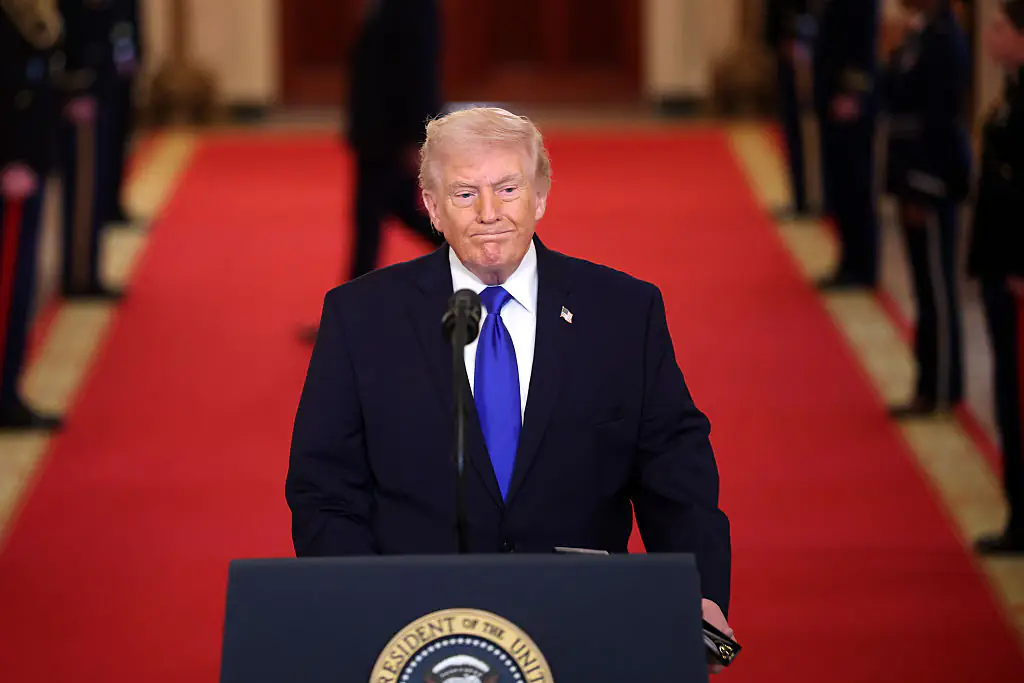
Many have wondered why this operation was named Epic Fury and what the significance of the name actually is.
People have been speculating on Twitter about the meaning, wondering: "'Operation Epic Fury' because 'Operation Epstein Diversion' didn't sound warfightery enough," and: "Epic Fury has the same initials as Epstein Files."
One even claimed: "BREAKING: Per a source close to SEO, Donald Trump insisted the Iran War be named 'Operation Epic Fury' so that when people searched 'Trump ep' in search engines, autocorrect would suggest 'Trump Epic Fury' instead of 'Trump Epstein'. Absolutely pathetic."
While many have wondered if the name might be a deliberate attempt to divert the attention and search results from the Epstein Files, the truth is actually a lot less salacious.
According to Radio Free Europe Radio Liberty, Epic Fury does break from tradition when it comes to US military operation names.
Mark Cancian, a senior adviser with the Washington-based Center for Strategic and International studies told RFE/RL: "[It is] is unusual for its edginess.
"Operations more commonly have names that will appeal to a wide audience, like Iraqi Freedom [the 2003 invasion of Iraq]."
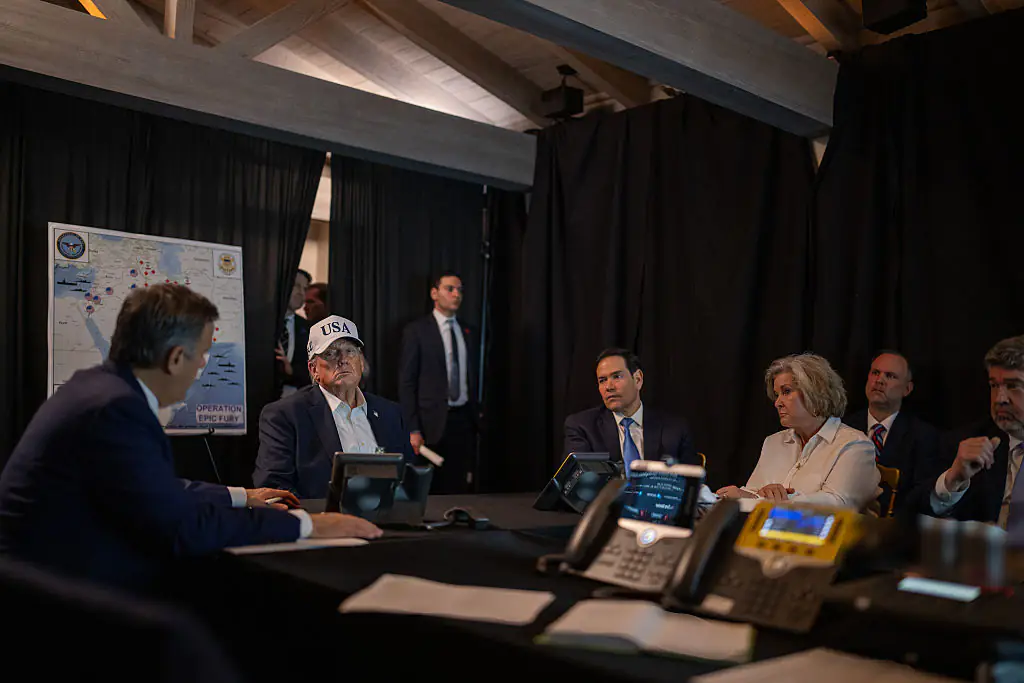
Cancian believes the name would have been chosen from a list of options generated by military staffers "based on their sense of what [US defense chief Pete Hegseth], wanted to convey."
Sometimes these lists of potential two-word names can be "three pages long" for leaders to choose from, according to insiders.
James Dawes, the author of a book on the language of war, agreed that the name is very different from other US codenames such as Enduring Freedom - the 2001 US invasion of Afghanistan - which "often emphasized moral purpose and discipline."
He added that Epic Fury "differs even from this administration's earlier names that evoked violent action, like Midnight Hammer or Southern Spear" as it "names an extreme emotional state, an anger that resists control."
A 1995 paper written by Gregory Sieminski, a US Army officer, claimed that military codenames are "the first – and quite possibly the decisive – bullet to be fired" in a conflict, due to how much they can influence public opinion.
As well as being a morale boost for the troops and the public, some names can be "clearly designed to intimidate" the enemy.
The practice of naming military operations began in World War I when German commanders started giving memorable names to the complex sequences of operations they were planning.
The US began naming secret operations from the 1920s based on the color of the paper plans, such as "Plan Orange".
They are usually designed to not give away any details about the operation itself so as not to alert the enemy to what is being planned.
Simienski's paper added that the naming of an operation "is an art, rather than a science" to create something both meaningful and memorable.