


US3 min(s) read
Christa Pike diagnosed with rare cancer amid botched execution

Death row inmate Christa Pike's legal team said that she had a rare blood disorder that was linked to cancer, nine months before her botched execution attempt.
The 50-year-old is still alive, following two failed execution attempts in Tennessee on September 30.
Pike was in line to become the first woman in over 200 years to be executed in Tennessee, 30 years after being convicted for the gruesome murder of Colleen Slemmer.
Against all odds, the inmate survived both execution attempts and regained consciousness after being taken to a hospital in critical condition and placed on a ventilator.
She has since broken her silence, speaking one month after the lethal injection attempt, describing persistent physical suffering and psychological trauma.
Now, People has obtained a copy of a legal complaint made by Pike's legal team, who claimed that she had cancer.

Pike's lawyers warned of her health conditions
The death row inmate's legal team explained that she had a rare blood disorder which would make the lethal injection especially painful and dangerous.
They submitted a complaint on January 8, claiming that her planned execution was a violation of the First, Eighth, and Fourteenth Amendments.
It detailed that any attempt to inject Pike would be 'very likely to result in unnecessary and superadded pain and suffering, terror, and disgrace.'
Apparently, Pike's 'platelet count is significantly elevated, likely due to a rare form of blood cancer called myeloproliferative disorder'.
Also known as myeloproliferative neoplasms (MPNs), this rare group of blood cancers causes the bone marrow to produce too many red blood cells, white blood cells, or platelets.
Pike's lawyers further claimed that her thrombocytosis, a condition caused by elevated platelet levels, could heighten the risk of developing severe pulmonary edema.
This is where fluid builds up in the lungs, and they feared she would suffer from this during the lethal injection.
“A pulmonary edema is not simply painful or uncomfortable; it can create a sense of suffocating or drowning that has been likened by experts to the sensation intentionally induced by the practice of waterboarding - an unambiguous form of outright torture,” the filing reads.
They also spoke of her 'history of difficulty with blood draws and needle insertion', due to issues with her veins, explaining that prison medical staff use a butterfly needle to draw her blood.
According to her lawyers, this is a 'feasible and readily implemented alternative that significantly reduces the substantial risk of unnecessary pain and suffering posed'.
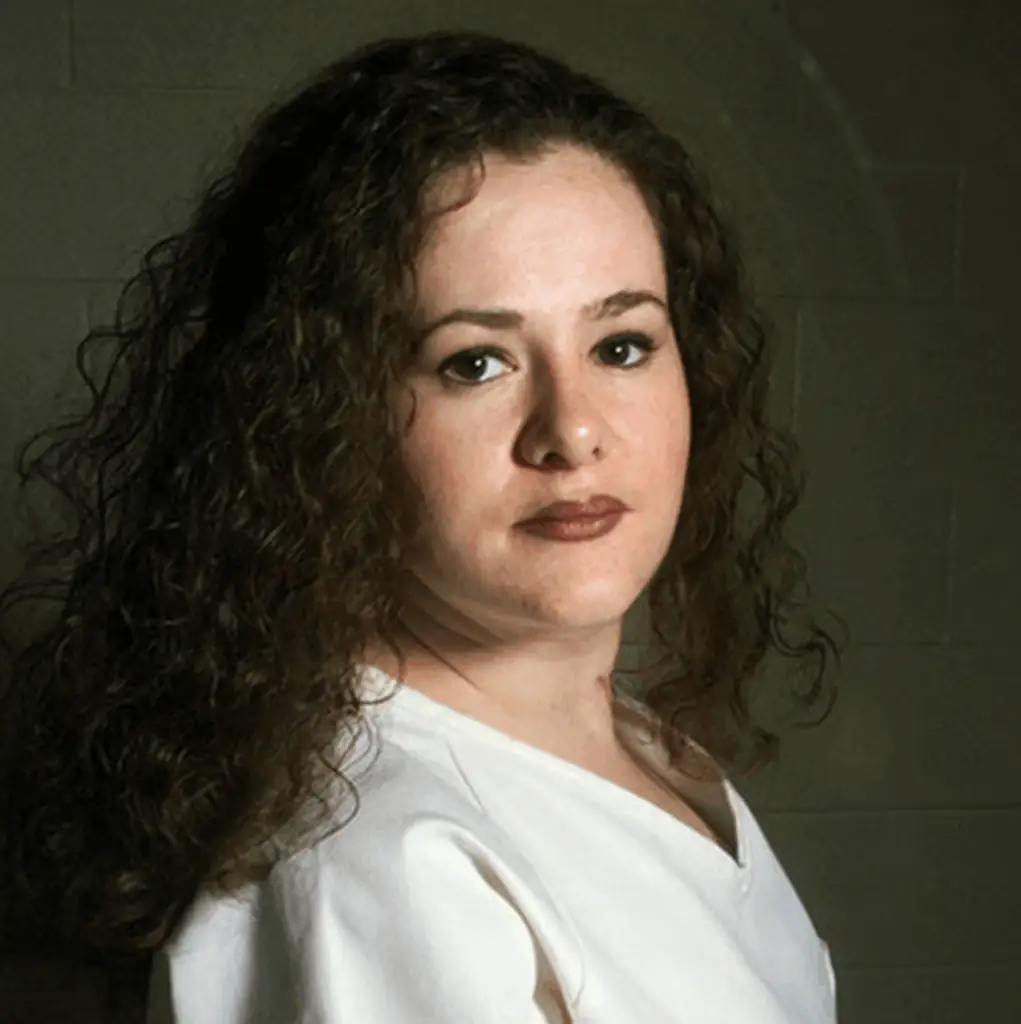
Pike's lawyers complained about execution protocol
Her legal team claimed that the newly updated protocol 'fails to provide counsel with immediate access to a telephone before and during the execution'.
They argued that immediate telephone access was important so they could call the courts if any issues arose during the execution.
It seemed like they had some grounds for their complaints, as execution team members reportedly struggled to establish working IV lines before failing to administer two rounds of Pentobarbital.
Now, her legal team has filed an emergency motion looking to end her solitary confinement, with both sides expected to submit arguments to the court this week.
Pike said in a public statement that while she entered the execution chamber fully expecting her life to end, she woke up several days later in a medical facility to face an unexpected aftermath.
Her attorneys said her survival was 'against all odds' and 'medically unprecedented,' while state officials have faced renewed scrutiny regarding their execution protocols.
"There hasn't been a moment since that night when I haven't been in pain," she stated.