


US3 min(s) read
Doctor’s explanation on the huge problem with lethal injections resurfaces after Christa Pike’s execution failed
.webp_SmgFsc?tr=cr-292.0.1244.952,f-webp,q-70,w-100)
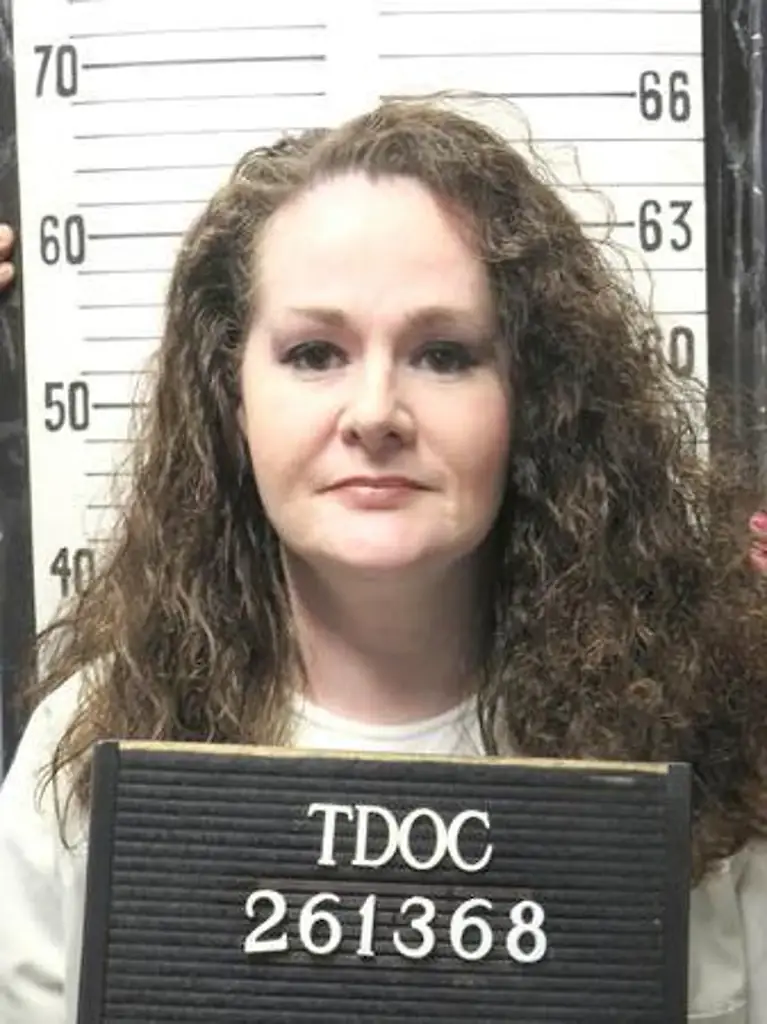
Tennessee death row inmate Christa Pike remains in critical condition and is receiving life-saving care at a hospital after surviving two lethal injection attempts on Wednesday.
The 50-year-old prisoner, who was sentenced to death in 1996 for the murder of Colleen Slemmer, was administered two full doses of pentobarbital, but she remained alive minutes later.
Her lawyer, Randy Spivey, told reporters that the execution team struggled for an hour to establish an intravenous line. He noted counting at least seven needles used on her left arm alone, with one needle appearing bent upon removal.
Observers were held behind a closed curtain while she continued breathing, leaving witnesses unaware of the procedures occurring inside. Following the failed attempts, state Governor Bill Lee ordered a complete pause on all executions in Tennessee for the remainder of the year to allow an independent review.
The unprecedented situation has renewed scrutiny over the technical procedures behind capital punishment in the United States.
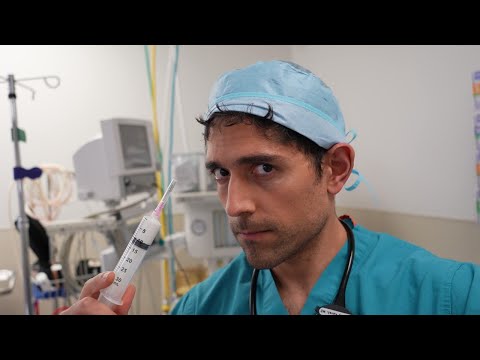
In light of the incident, a video analysis recorded in February 2024 by Dr. Anthony Kaveh, a Stanford and Harvard-trained anesthesiologist, has resurfaced. His observations offer clear insight into the structural obstacles that lead to failed execution attempts.
The core conflict in medical involvement
According to Dr. Kaveh, a central obstacle in administering lethal injections stems from ethical guidelines governing the medical community.
Major professional medical organizations, including the American Medical Association and the American Society of Anesthesiologists, explicitly prohibit their members from participating in capital punishment.
Because doctors and trained anesthesiologists decline to participate, execution teams frequently consist of personnel who lack advanced training in intravenous access and deep sedation monitoring.
This division creates major technical hazards during execution procedures. Establishing an intravenous line in individuals under extreme stress or with compromised veins demands precise medical skill.
Without specialized practitioners overseeing the placement, execution teams risk improper needle insertion, vein collapse, or subcutaneous infiltration of lethal drugs, directly contributing to severe complications.
Difficulty verifying depth of anesthesia
Beyond placement issues, Dr. Kaveh highlighted the difficulty non-medical personnel face when attempting to measure a patient's level of consciousness.
In clinical settings, anesthesiologists rely on precise monitors, vital sign trends, and physiological indicators to confirm that a patient is fully unconscious before administering paralytic agents or lethal chemicals.
Without anesthesiologists present to monitor brain activity and physiological responses, prison staff must evaluate sedation using basic visual checks.
When drugs fail to enter the bloodstream properly, an inmate can remain conscious while receiving toxic doses, causing severe physical suffering.
Legal teams representing Pike cited these exact concerns, arguing that the prolonged attempt caused "unnecessary agony" and violated constitutional protections against cruel and unusual punishment.
Political debate and legal consequences
The failure in Tennessee has triggered sharp political disagreement over state execution methods.
On X, Republican Senator Marsha Blackburn described the situation as "tragic" and called for the state to "bring back the electric chair".
However, Democratic candidate Jerri Green, also taking to X, condemned the proposal to "bring back one of the most cruel forms of capital punishment" and urged a total moratorium.
This incident represents the second failed execution attempt in Tennessee during 2026, following a May attempt on prisoner Tony Carruthers that was halted after executioners failed to locate a suitable vein.
As state officials proceed with their independent investigation, Pike's legal team continues to push for her death sentence to be commuted while she recovers under medical supervision.