


US4 min(s) read
Donald Trump confirms investigation into mysterious UFO and nuclear scientist deaths after 11th case emerges

Donald Trump has confirmed that an investigation is underway into a string of mysterious deaths and disappearances involving scientists linked to UFO research, nuclear technology, and advanced aerospace projects, after an eleventh case added to increasing concern.
Most recently, astrophysicist Carl Grillmair, 67, was shot dead on his front porch in California in February this year. Before that, nuclear fusion researcher Nuno Loureiro was killed in his home in 2025, while NASA scientists Michael Hicks and Frank Maiwald both died under unclear circumstances, arousing further suspicion.
Pharmaceutical researcher Jason Thomas was later found dead after disappearing for months, and several others, including Air Force General William McCasland, have vanished without a trace. In total, at least 11 cases have now been linked to individuals with access to highly sensitive scientific or defence-related work.
One of the most widely discussed cases remains that of Amy Eskridge, a 34-year-old scientist who died in Alabama four years ago, from what was ruled a self-inflicted gunshot wound, though no official investigation details have been made public.
Eskridge's suspicious death
Before her death, Eskridge had been working on controversial anti-gravity technology, a concept that could potentially transform space travel and energy systems. The idea has long been linked to UFO theories, with some claiming such propulsion could explain how unidentified craft achieve extreme speeds.
Eskridge herself had been vocal about her work and the risks surrounding it. She co-founded The Institute for Exotic Science as a way to bring her research into the public eye, explaining: “If you stick your neck out in public, at least someone notices if your head gets chopped off.”
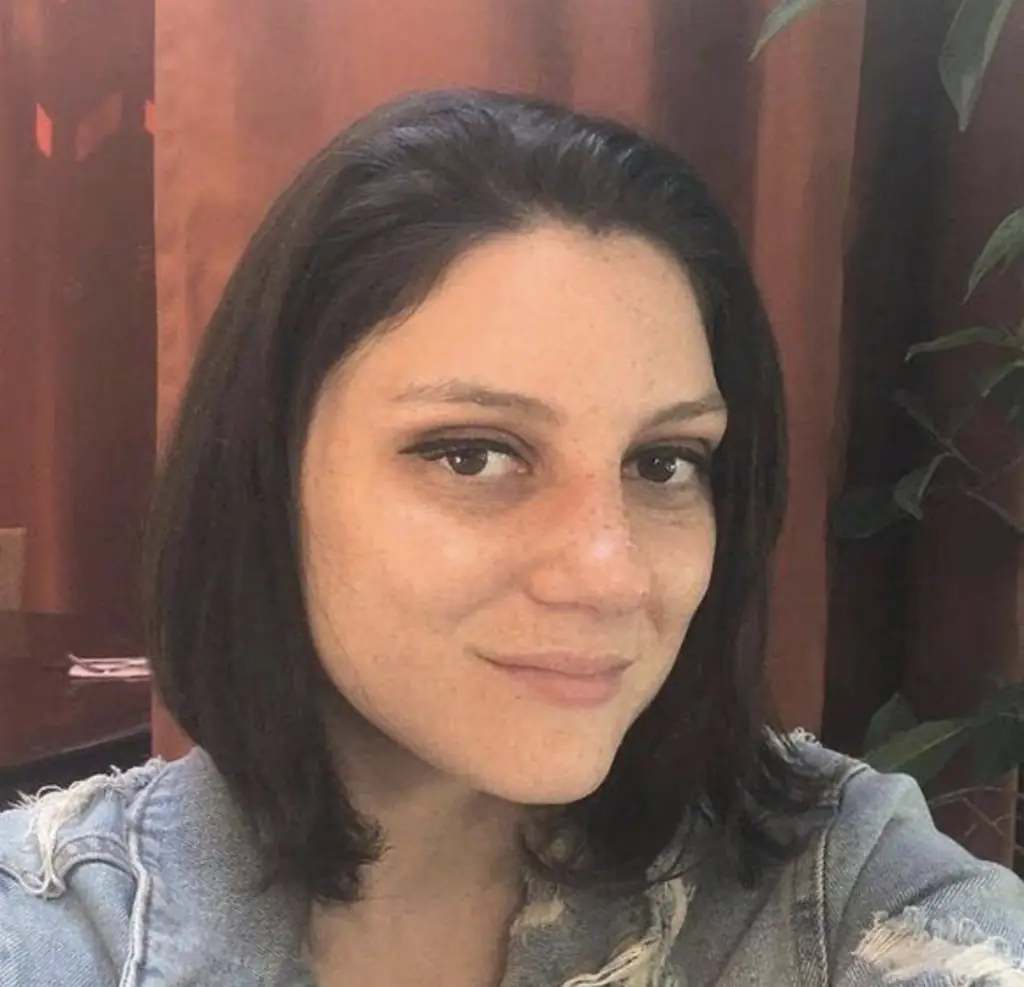
She warned of the dangers of staying quiet, adding: “If you stick your neck out in private... they will bury you, they will burn down your house while you're sleeping in your bed and it won't even make the news.”
In a 2020 interview, she also claimed the situation around her was escalating, saying: “I need to disclose soon… it’s getting more and more aggressive… more invasive… and sexual threats.”
Since her death, some investigators and commentators have questioned whether it was truly a suicide. Submissions made to Congress and testimony from journalist Michael Shellenberger have suggested she may have been targeted, with claims she was “murdered by a ‘private aerospace company’ in the US because she was involved in the UAP conversation.”
Former British intelligence officer Franc Milburn, who had been in contact with Eskridge before her death, also cast doubt on the official narrative. He said: “Somebody was after her work… trying to get her to desist… or… to debilitate her so she was unable to do the work.”
Eskridge’s case is now part of a wider pattern. In recent years, at least ten other scientists connected to sensitive fields — including nuclear fusion, astrophysics and space exploration — have died or vanished under unusual circumstances.
Trump addresses growing speculation
As speculation has grown, Trump confirmed he had been briefed on the situation and that an investigation is now in motion.
Speaking to reporters, he said: “Well, I hope it is random, but we are going to know in the next week and a half.”
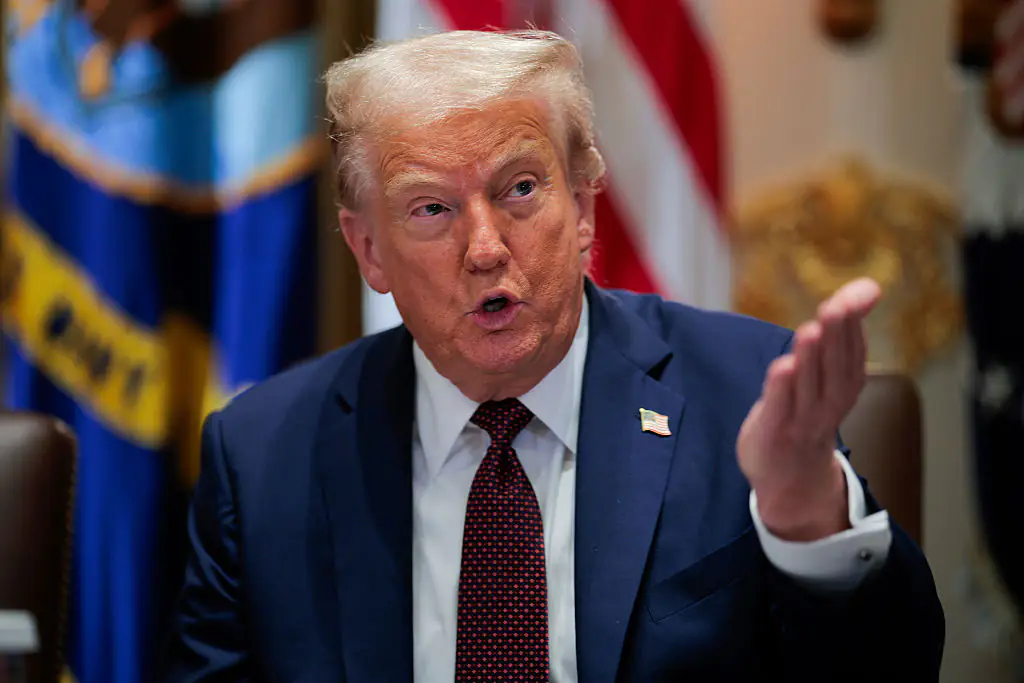
He added: “I just left a meeting on that subject, so pretty serious stuff… Hopefully, coincidence… but some of them were very important people, and we are going to look at it.”
White House press secretary Karoline Leavitt also addressed the issue, saying: “If true, of course, that's definitely something I think this government and administration would deem worth looking into.”
With multiple scientists linked to classified research now dead or missing, and questions mounting over possible connections, the investigation is likely to intensify scrutiny on whether these incidents are a coincidence, or something far more coordinated.