


US3 min(s) read
Reason why Donald Trump's signature but not his picture will appear on US currency breaking 165-year tradition

President Donald Trump’s signature will soon appear on U.S. paper currency, making him the first sitting president to have signed American money, the Treasury Department announced Thursday.
Per Reuters, the first $100 bills bearing Trump’s signature, alongside that of Treasury Secretary Scott Bessent, will roll off the presses in June, with other denominations to follow. The updated bills will take several weeks to reach circulation.
For now, the Treasury is still issuing notes featuring the signatures of former Treasury Secretary Janet Yellen and former Treasurer Lynn Malerba. Malerba will be the last of an unbroken line of treasurers whose signatures have featured on U.S. federal currency since paper money was introduced in 1861.
Currency move motivated by Trump's legacy
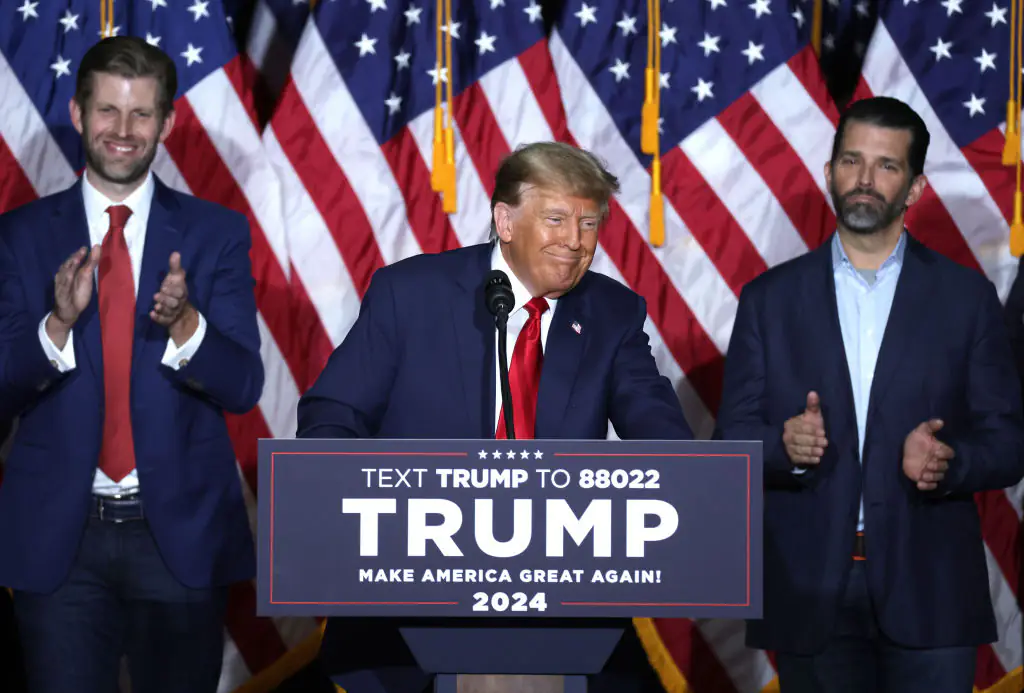
The move is part of a broader campaign to place Trump’s name on public institutions, programs, and even currency. Recently, a Trump-appointed arts panel approved “the design for a commemorative gold coin with Trump’s image.”
The redesign of U.S. notes coincides with the upcoming 250th anniversary of American independence. However, this new series will break a long-standing 165-year tradition by omitting the signature of the U.S. treasurer. Instead, it will bear only the signatures of the president and the Treasury secretary.
What does the law say about currency bearing the faces of living White House chiefs?
Legally, the issue touches on both the “letter of the law” and the “spirit of the law.” Strictly speaking, the Thayer Amendment of 1866 forbids using the image of any living person on “the bonds, securities, notes, or postal currency of the United States.” This rule arose after Treasury official Spencer Clark placed his own face on a note meant to honor explorer William Clark.
The Presidential $1 Coin Act of 2005 reinforced this principle, specifying that “No coin issued may bear the image of a living former or current President.” Still, a few exceptions have occurred—most notably when President Calvin Coolidge appeared on a 1926 half dollar marking the nation’s 150th birthday.
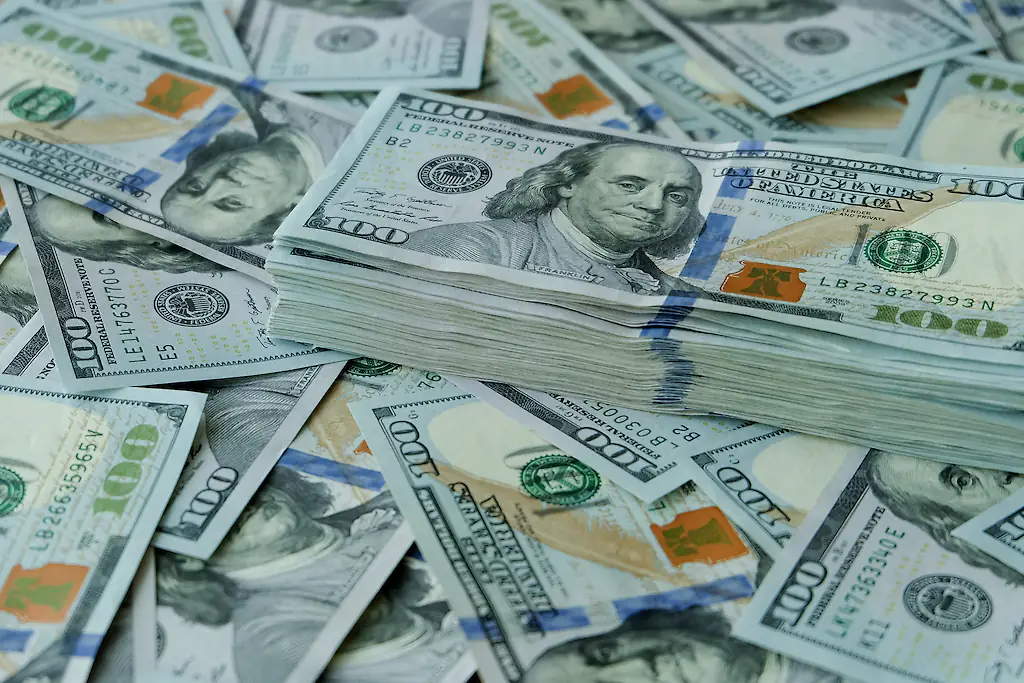
The deeper reason for banning living figures on currency stems from America’s rejection of monarchy. As the Federal Reserve Bank of San Francisco notes, “To avoid the appearance of a monarchy, it was long-standing tradition to only feature portraits of deceased individuals on currency and coin.” George Washington himself refused to appear on the first U.S. silver dollar for that very reason.
In 2021, Congress granted the Treasury special authority to issue coins “emblematic” of the nation’s founding. Treasury Secretary Bessent later explained, “There is no profile more emblematic for the front of this coin than that of our serving President, Donald J. Trump.”
While countries such as Britain, Canada, and Saudi Arabia commonly feature living monarchs on their money, many Americans see this as contrary to democratic principles.