


US2 min(s) read
Everyone who can get out of being drafted into military if US goes to war as age of enlistment for military raised significantly

As global tensions continue to rise, questions are being asked about what would happen if the United States were forced to reintroduce a military draft — and crucially, who could avoid immediate service if push came to shove.
While there has been no official move to reinstate conscription, discussions around potential eligibility, exemptions, and delays have gained traction, particularly as enlistment age limits and military readiness come under renewed scrutiny.
What would draft specifications look like?
In the event of a draft, not everyone would be required to serve immediately. Certain groups would be eligible for temporary postponements, allowing them to delay enlistment under specific conditions.
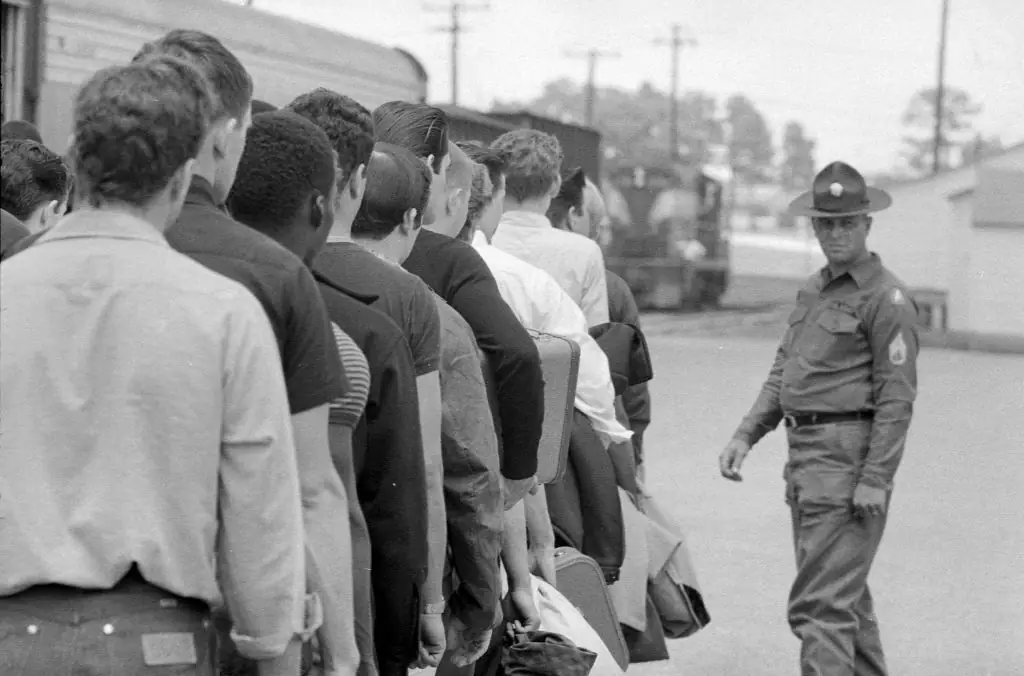
One key group includes high school students. Those still in school would be allowed to defer service until they graduate or reach the age of 20 — whichever comes first. This ensures that younger individuals are able to complete their basic education before facing conscription.
College students may also qualify for a delay. Those currently enrolled would typically be allowed to finish the ongoing semester, while final-year students could be permitted to complete their entire academic year before being called up.
Another route to postponement involves filing for reclassification. Individuals who submit a formal claim to have their draft status reviewed — whether for medical, personal, or other qualifying reasons — are usually granted an automatic delay while their case is being assessed.
These postponements do not mean exemption from military service altogether. Instead, they provide temporary relief, often designed to allow individuals to complete key stages of education or resolve classification issues before potentially being drafted later.
The relevance of of conscription discussion
The broader rules around a draft — including who qualifies for full exemption versus delay — would ultimately depend on the specific policies in place at the time. Historically, factors such as health, family responsibilities, and occupational roles have also played a role.
With ongoing geopolitical instability, including conflicts involving major global powers, the possibility of conscription, however remote, remains a topic of public concern. For many, understanding who could delay or avoid service is becoming increasingly relevant.
While no draft has been announced, the framework for how it would work already exists — and as discussions continue, so too does interest in who might be affected, and who might be able to postpone their call to serve.