


US5 min(s) read
Experts sound alarm over critical medication mistake as mom stands trial for 'killing 3 kids and jumping 20ft from window’

Experts have issued a warning over a critical medication mistake as a mom accused of killing her three children before jumping 20 feet from a window goes on trial.
Lindsay Clancy, 36, has been accused of strangling her children, five-year-old Cora, three-year-old Dawson, and eight-month-old Callan, with exercise bands inside the family home on January 24, 2023, after sending her husband, Patrick Clancy, out to pick up takeout food.
When Patrick returned about an hour later, authorities say he found that she had attempted to take her own life by cutting her wrists and jumping from a second-story window.
She survived the fall but was left paralyzed from the waist down.
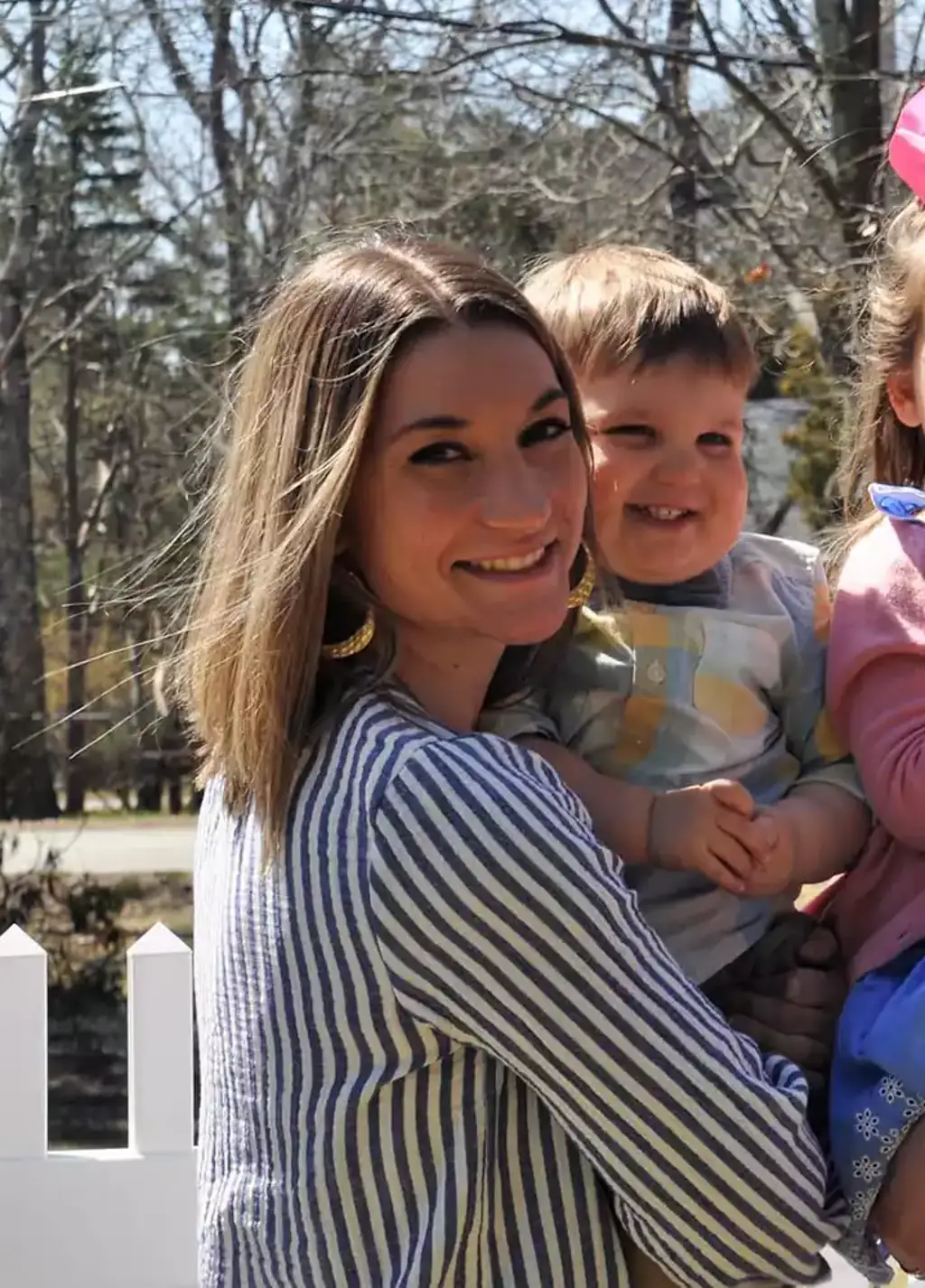
Clancy's legal team does not dispute that she killed the children but argues she was suffering from postpartum psychosis that left her incapable of understanding her actions.
They said she should be found not guilty by reason of insanity.
Meanwhile, prosecutors have argued the killings were planned, pointing to alleged internet searches including "ways to kill" and "can you treat a sociopath," as well as a handwritten note Clancy allegedly wrote before her youngest child was born.
Lawsuit claims she was prescribed 13 medications
Central to a lawsuit filed by Clancy and her husband is the allegation that the mom was prescribed 13 different psychiatric medications over several months as her mental health rapidly deteriorated after giving birth.
Defense attorney Kevin Reddington has described the treatment as "a horrific overmedication of drugs that caused homicidal ideation [and] suicidal ideation," Daily Mail reported.
The lawsuit alleges the mom was prescribed a combination of antidepressants, anti-anxiety medications, sedatives, and mood stabilizers, including Klonopin, Valium, Ativan, Zoloft, Prozac, trazodone, Lamictal, Seroquel, and Ambien.
The healthcare providers named in the lawsuit have filed motions to dismiss.
Mental health experts not involved in the case stress that medication remains essential in treating postpartum psychosis but warn that prescribing multiple psychiatric drugs at once, known as polypharmacy, can increase the risk of side effects and make treatment more complicated.
"The multiple medications that Lindsay Clancy was taking is called polypharmacy, or a medication 'cocktail,'" forensic psychiatrist Dr. Carole Lieberman told the Daily Mail.
She said the approach is generally discouraged "because it causes too many side effects that multiply with the addition of each medication, and some medications cancel out the effect of others".
Experts say combining psychiatric medications can increase the risk of excessive sedation, confusion, agitation and, in rare cases, dangerous reactions such as serotonin syndrome.
Dr. Allen Masry, psychiatrist and medical director of All Solutions treatment centers, said: "The most challenging part of managing patients with severe postpartum psychiatric illness is determining if deteriorating symptoms are primarily due to medication side effects or a rapid progression of the underlying illness.
"Medication should be simplified when appropriate, and close follow-up should be provided," he added.
He also warned that suddenly stopping psychiatric medication can trigger withdrawal symptoms or even a rebound of psychotic symptoms.
.webp_Wzfz8s?tr=cr-0.0.720.405,f-webp,q-70,w-1024)
A psychiatric emergency
Clancy's lawyers say she developed postpartum psychosis after the birth of her youngest child and began hearing voices instructing her to kill both herself and her children.
According to the lawsuit, she repeatedly sought medical help, went to emergency rooms, called crisis hotlines and admitted herself to the hospital, while telling doctors her medications were making her feel worse.
"Lindsay Clancy did everything a mother in her situation could do," her attorneys said in the lawsuit. "She recognized something was wrong with her. She sought medical treatment."
Experts say postpartum psychosis is a rare but severe psychiatric emergency affecting around one to two women in every 1,000 births.
Unlike postpartum depression, it can cause hallucinations, paranoia, delusions, and a complete loss of touch with reality.
Dr. Rod Hoevert, a clinical and forensic psychologist, said the illness "carries the most risk of the mother harming the baby due to having psychotic experiences."
Around half of women diagnosed with postpartum psychosis have no previous history of mental illness.

Husband continues to support wife
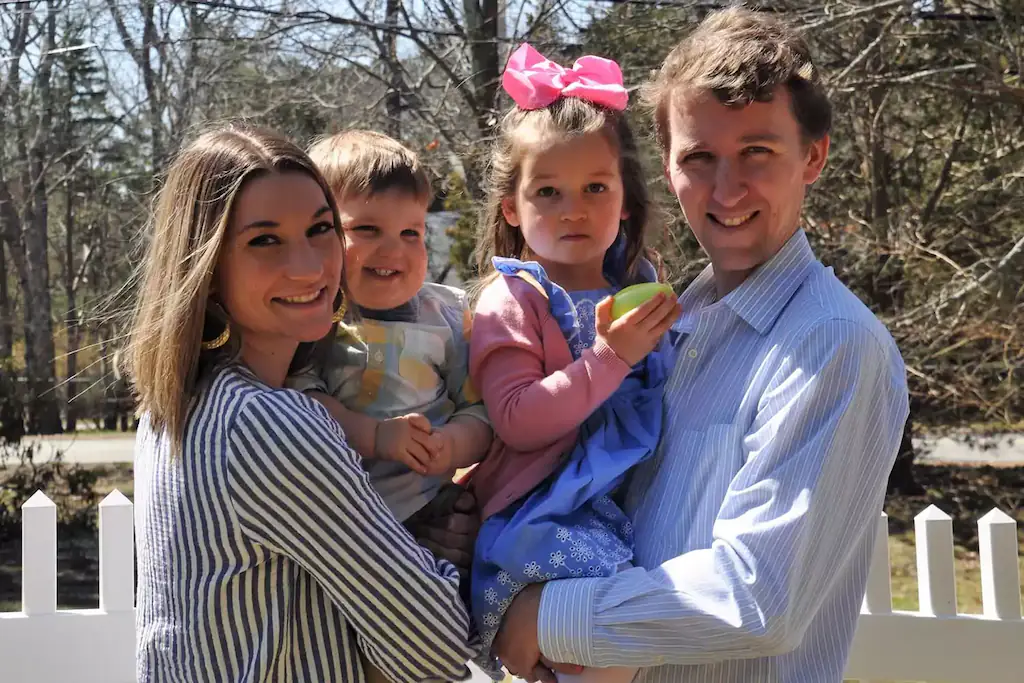
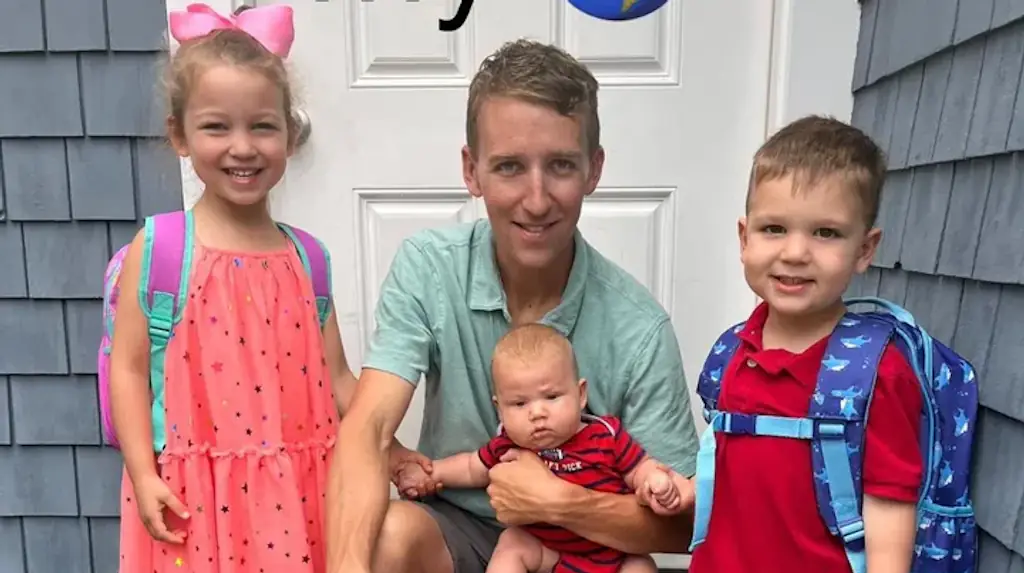
Despite losing all three of his children, Patrick has continued to publicly support his wife while mourning the family's loss.
Days after the killings, he wrote in a GoFundMe post that the family's "shock and pain is excruciating and relentless."
He also urged people to remember the woman he knew before her illness, writing: "The real Lindsay was generously loving and caring toward everyone - me, our kids, family, friends, and her patients.
"The very fibers of her soul are loving. All I wish for her now is that she can somehow find peace."

.webp_Wzfz8s?tr=f-webp,q-70,w-1024)
.webp_lli6Ty?tr=cr-74.9.445.380,f-webp,q-70,w-100)


.webp_vBqgAR?tr=cr-242.0.1293.1051,f-webp,q-70,w-100)



.webp_lli6Ty?tr=cr-74.9.445.380,f-webp,q-70,w-1024)

.webp_vBqgAR?tr=cr-242.0.1293.1051,f-webp,q-70,w-1024)
