


US3 min(s) read
Authorities confirm first case of flesh-eating screwworm in US for over 60 years - here's the state it was found in
.jpg_xKEaT0?tr=cr-0.328.2730.3058,f-webp,q-70,w-100)
A dangerous parasitic worm has been discovered in the US for the first time in decades, according to officials.
The U.S. Secretary of Agriculture took to social media to update citizens with the confirmation of the insect's presence, after it was found in Texas.
This flesh-eating, parasitic worm is known as Cochliomyia hominivorax, the New World screwworm fly, or simply as screwworm.
According to the Food and Drug Administration, screwworms were mostly eradicated from the US in the 1960s, but it looks like they have made a return after several decades.
The parasite can find its way into the body often through the eyes, ears, nose, mouth, or genitals of warm-blooded mammals.
.jpg_woo7kl?tr=cr-0.0.3600.2400,f-webp,q-70,w-1024)
Statements from U.S. Secretary of Agriculture
Secretary Brooke Rollins took to X on Wednesday (June 3), saying: “As expected, @USDA_APHIS confirmed the detection of a New World Screwworm (NWS) fly in a 3 week old bovine in Zavala County, Texas,
“@USDA and Texas Animal Health @TAHC officials are taking immediate action to contain and eradicate NWS from the area,” she added.
Rollins directed people to a dedicated webpage if they wanted to know more, stating that she had met with around 50 Texas cattle ranchers to speak about the parasite's development in the state.
Someone who traveled to El Salvador in Central America before returning to Maryland in August 2025, became the first case of a human being infected in years.
In a statement, the U.S. Department of Agriculture said that screwworms are "a devastating pest."
They went on: “It can cause serious, often deadly damage to animals and people in areas where the pest spreads.
“While NWS is present in parts of South America - where infections in animals and people continue to occur - it was eradicated from the United States decades ago.
“In recent years, NWS has moved northward through Central America and Mexico.”
Statement from the USDA
The USDA revealed that sterile flies are one of the ways you can combat screwworms, revealing in a press release that the screwworm was found in a three-week-old calf’s umbilical area.
It marked the first time this was detected in the US since 1966.
They added: “USDA invested heavily in the tools needed to eliminate NWS ever since cases started increasing in Central America and Mexico,
“The United States has defeated this pest before, and we will do it again.”
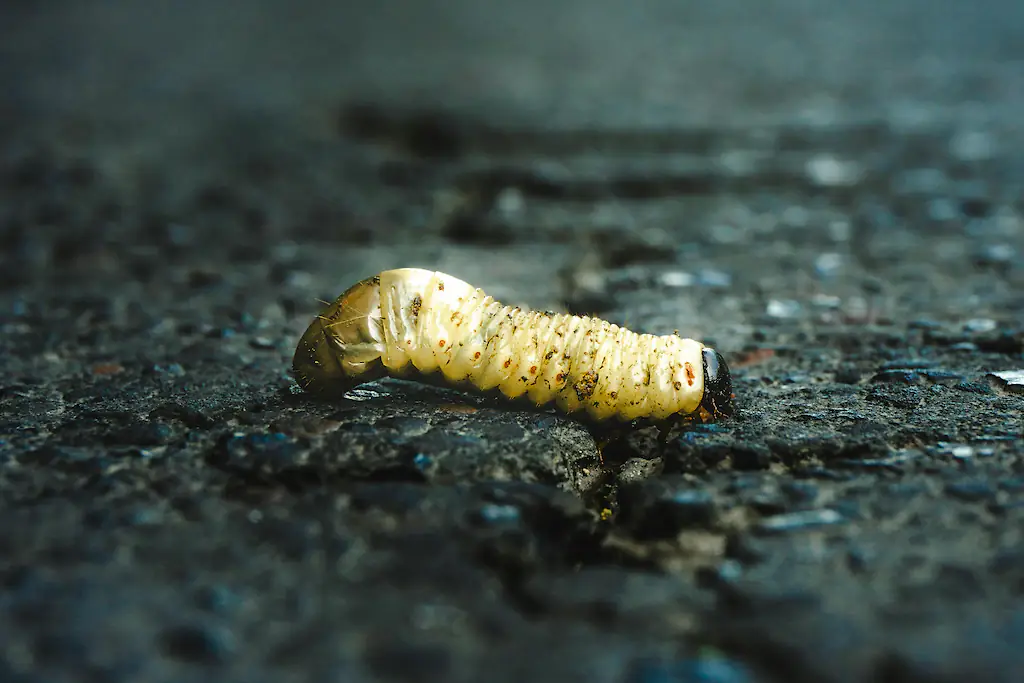
How do screwworms work?
The New World screwworm lays eggs in open wounds and body openings, according to the Centers for Disease Control.
Once these eggs hatch, they turn into maggots that burrow into the host and feed on its flesh, with tiny breaks in the skin being enough for the screwworm to lay eggs in.
They explain on their website: “One female can lay 200 – 300 eggs at a time and may lay up to 3,000 eggs during her 10- to 30-day lifespan,
“Eggs hatch into maggots that burrow into the wound to feed on the living flesh. After feeding for about 7 days, larvae drop to the ground, burrow into the soil, and emerge as adult screwworm flies.”
If you have found that a maggot has burrowed into an opening in your body, a healthcare professional must remove it.
You should not do this yourself.
If it is removed, you shouldn't leave it on the ground - place it in a leak-proof container with rubbing alcohol to kill the parasite.
Live maggots shouldn't be left in garbage bags either, as they can escape and spread.