


US4 min(s) read
Forensic expert points out 'strange' moment people may have missed from Alex Pretti ICE shooting

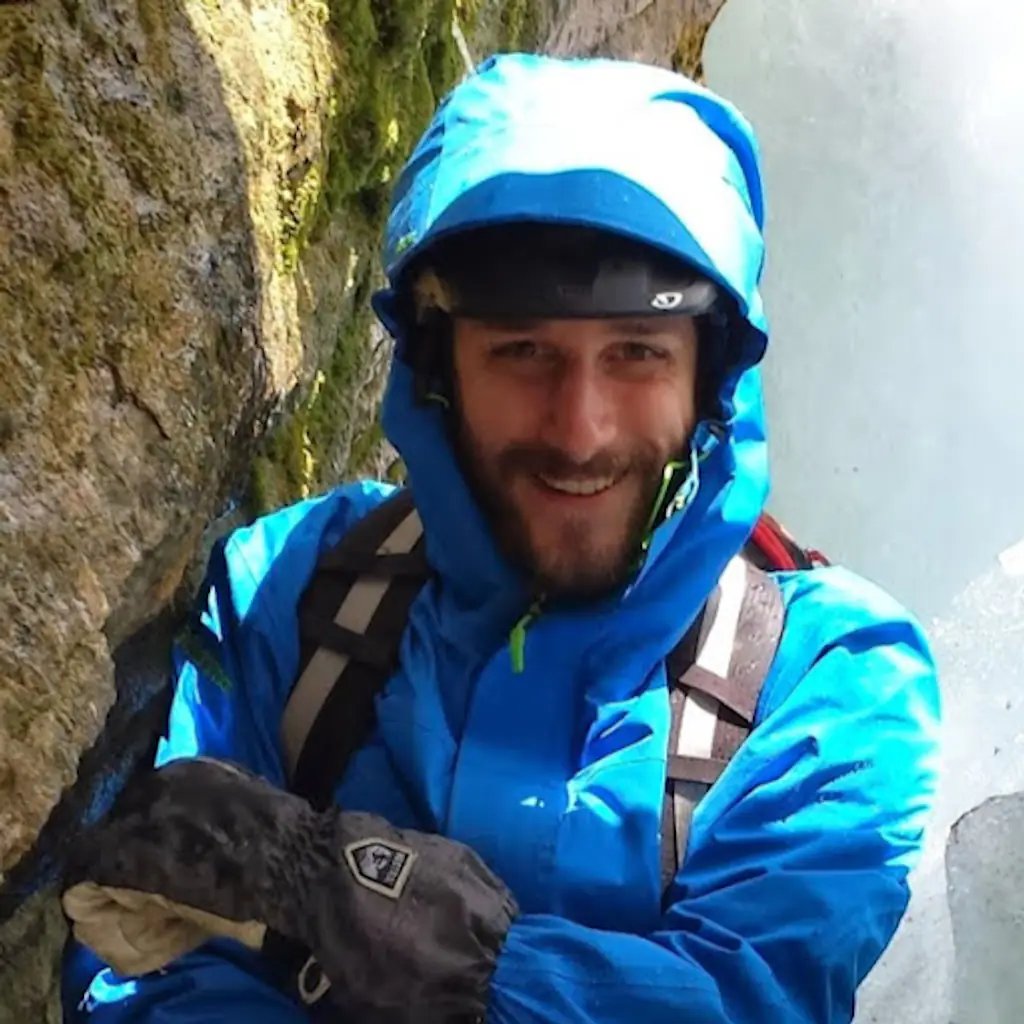
A forensic expert has pointed out a "strange" moment people may have missed from the footage showing the moment Alex Pretti was fatally shot by ICE.
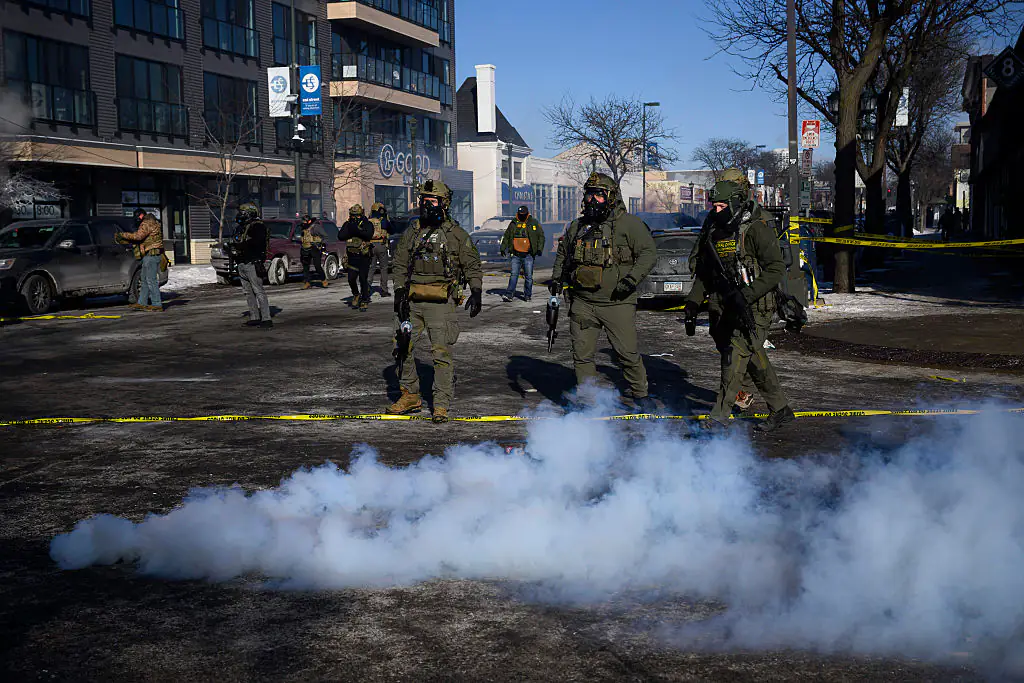
The 37-year-old ICU nurse lost his life during a protest against a crackdown by Immigration and Customs Enforcement (ICE) agents in Minneapolis on January 24.
In the aftermath of the shooting, Department of Homeland Security (DHS) officials claimed that Pretti was carrying a 9mm handgun and “violently resisted” their attempts to disarm him.
Homeland Security Secretary Kristi Noem even suggested that Petti came to the protest with “weapons and ammunition”, intending to harm law enforcement officers.
However, eyewitness accounts, video footage, and the late man's family have strongly disputed these claims.
Videos from the scene show Pretti holding a phone, not a weapon, as he was pepper-sprayed and pinned to the ground by officers before being shot.
Local authorities have even come forward to confirm that the nurse was a lawful gun owner with a permit to carry, raising further questions about the justification for his killing.
Forensic Expert Analyzes the Footage
Clinical and forensic psychologist Dr. JP Garrison reviewed the footage and pointed out a “strange” moment that many might have missed.
In his analysis, he highlighted the actions of the officer in a gray jacket, who was seen removing a gun from Pretti’s waistband during the struggle.

Dr. Garrison noted that after taking the gun, the officer “turned around and ran the other direction”, without announcing that Pretti had been disarmed or signaling to others that the situation had changed.
“What’s strange is the behavior of the man who pulled the gun out,” Dr. Garrison said in his YouTube analysis. "When he took the firearm, as far as I can tell, because we couldn't hear it, he didn't announce to everybody else that he had the firearm, that the man had been disarmed.|
"It would be a really bad idea to turn your back on someone if you believe that they are armed and dangerous still. So, this I find peculiar."
"His reaction to this, the fact that he decided to run from this situation without announcing that he had the gun, that the man had been disarmed, that Alex Pretti was no longer armed, I find strange," he added.
Dr. Garrison’s analysis raises critical questions about whether the officer’s actions contributed to the escalation that led to Pretti’s death.
Trump’s Response and Ongoing Investigation
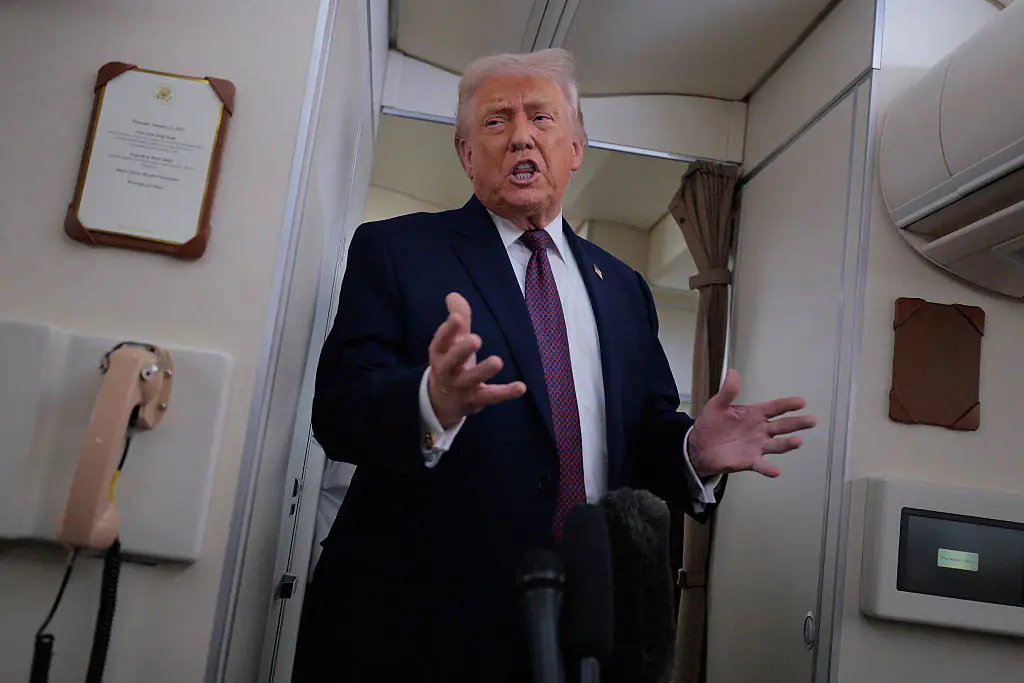
President Donald Trump addressed the horrific shooting in an interview with the Wall Street Journal, revealing that his administration is “reviewing everything” related to the case.
Despite mounting evidence that suggests Pretti did not pose a threat, the 79-year-old continued to defend the actions of the federal officers involved.
“I don’t like any shooting. I don’t like it. But I don’t like it when somebody goes into a protest and he’s got a very powerful, fully loaded gun with two magazines loaded up with bullets also. That doesn’t play good either," he said.
On Monday (January 26), Trump issued an update, revealing that he had sent Tom Homan, his administration’s “border tsar”, to Minnesota to investigate the incident.
He described Homan as “tough but fair” and said that a “major investigation” was underway.
Trump further referred to an alleged “$20 billion welfare fraud” in the state, which he claimed partially contributed to the protests.
Family and Public Outrage
Pretti’s family has been vocal in rejecting the administration’s narrative, calling the allegations against their son “reprehensible and disgusting”.
In a heartfelt statement, they stressed that Pretti was “holding his phone”, not a gun, and was “trying to protect the woman ICE just pushed down” during the chaotic incident.
“The sickening lies told about our son by the administration are reprehensible and disgusting,” they said. “Please get the truth out about our son. He was a good man.”
The nurse's father, who was forced to identify his son’s body, also spoke out. He said that Petti was deeply concerned about the actions of ICE and the treatment of vulnerable individuals during protests.