


US3 min(s) read
Forensic pathologist reveals fact about Christa Pike that may have led to her surviving two lethal injections
.webp_SmgFsc?tr=cr-292.0.1244.952,f-webp,q-70,w-100)
Tennessee death row inmate Christa Gail Pike is in critical condition in the hospital after surviving two botched lethal injection attempts on Wednesday.
Pike, 50, was convicted and sentenced to death in 1996 for the murder of 19-year-old Colleen Slemmer.
Following the failed procedure, her execution was halted, leading Tennessee Governor Bill Lee to order a complete pause on all state executions for the remainder of the year while an independent review takes place.
During the execution attempt, the execution team struggled to establish an IV line for over an hour. Her lawyer Randy Spivey stated that at least seven needles were used on her left arm alone, with one needle appearing bent after an unsuccessful insertion.
Witnesses inside the chamber reported that Pike remained alive and breathing after receiving two separate doses of pentobarbital, complaining of extreme pain during the procedure.
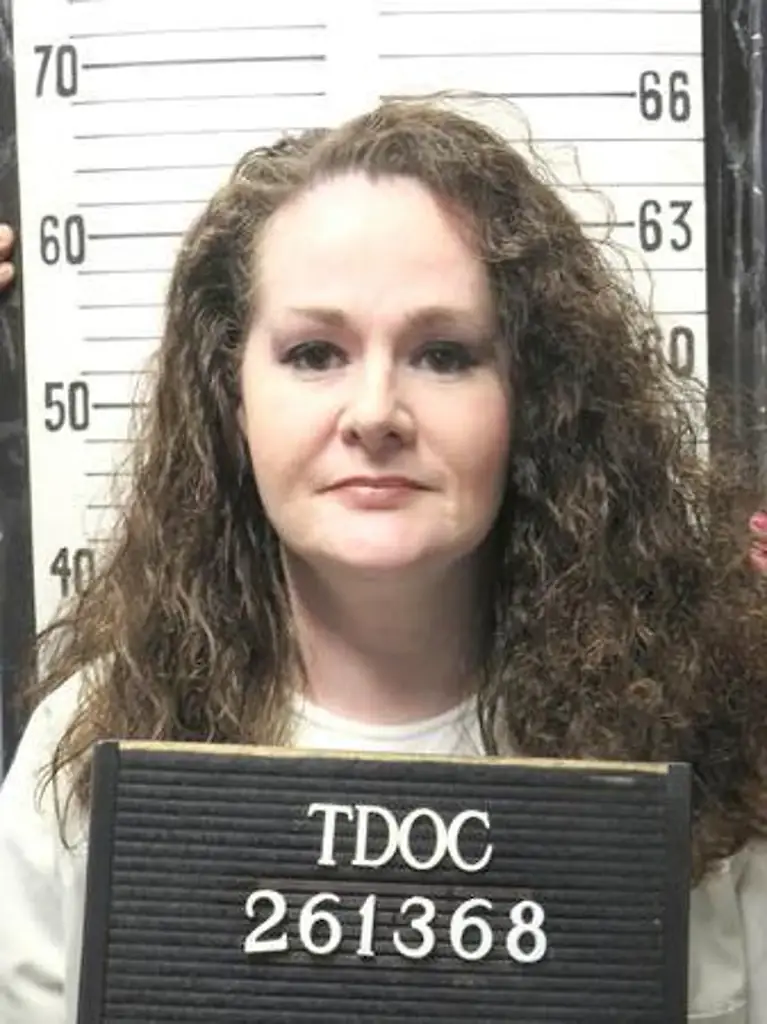
A major reason why the execution failed may come down to basic physical anatomy and the qualifications of the execution team.
Small veins and missed injection sites
Speaking to FOX 5 New York, Dr. Michael Baden, former chief medical examiner of New York City, explained that an anatomical characteristic of Pike likely caused the lethal dose to fail.
He shared that he had read that Pike has small veins, which makes standard intravenous access extremely difficult.
According to Dr. Baden, when an IV line misses a smaller target, the lethal drug is administered into surrounding tissue rather than directly entering the bloodstream.
"The usual thing that goes wrong is the person injecting the drug missed the vein," he said.
Dr. Baden elaborated on what happens when small veins are missed during an injection attempt: "She supposedly, from what I read, had small veins. The needle then goes into the adjacent fat or muscle tissue, and when it’s injected, it doesn't have any effect."

Medical ethics and execution protocol
Dr. Baden pointed out that professional medical restrictions play a direct role in why these administrative failures occur during capital punishment procedures.
Licensed medical doctors are barred by professional ethical codes from administering state executions, leaving the process to non-physicians.
Because the individuals tasked with inserting the IV lack specialized clinical experience with difficult access cases, small or compromised veins regularly lead to catastrophic failures in the execution chamber.
Legal repercussions and official responses
Pike's legal team is demanding that her death sentence be commuted, citing that the botched attempt amounted to cruel and unusual punishment.
Spivey detailed that observers were kept behind a closed curtain while Pike remained alive after the second dose was administered. Fellow attorney Stephen Ferrell noted that their primary focus is ensuring her recovery before pursuing further legal action.
The Tennessee Department of Correction defended its actions, stating that staff followed the state's lawful execution protocol and that pentobarbital is consistently effective.
However, Governor Lee confirmed that a thorough investigation will take place, putting upcoming executions on hold, including the scheduled December execution of Gary Sutton.