ADVERT
US2 min(s) read
Published 09:54 05 Jul 2026 GMT
Further details have been revealed about a man who died in downtown Los Angeles after cutting his own penis off with a pocketknife.
In the early hours of March 7, Ryan Dexter Sutherland was found with horrific injuries after a 7/11 security guard who witnessed the incident across the road from the LA Convention Center alerted police.
The 31-year-old was found to have stabbed himself over 20 times and attempted to cut his own arm off with a pocketknife while high on methamphetamines.
Now, new details from the medical examiner's report have been shared, showing that the levels of drugs in Sutherland's system were high enough to kill him.

Sutherland was found with stab wounds to his neck, upper abdomen, wrists, forearms, and genitalia according to the report, per the New York Post.
A toxicology report also showed he had deadly levels of methamphetamine in his system as well as MDMA.
He had blood concentrations of 1.9 ug/mL for meth and .24 ug/mL for amphetamines, which are levels that can be deadly, but this was not ruled as his cause of death.
Sutherland's death was ultimately ruled as suicide due to multiple “sharp force injuries” which he'd inflicted on himself with a non-serrated pocketknife about two inches long and three-quarters of an inch wide.
According to the report, the wound to his genitals spanned almost a foot in circumference, exposing his testes and "degloving" the penis.
The wounds which likely ended his life were to the artery and vein in Sutherland's right arm and wounds to his neck which damaged his jugular vein and trachea, the medical examiner ruled.
After police were called to the scene near the intersection of Figueroa Street and Pico Boulevard by the 7/11 security guard who witnessed Sutherland mutilating himself, officials found Sutherland's blood-soaked clothing scattered across the sidewalk.
Sutherland, who was described as a black man of 5'11" tall, weighing 264 pounds, with a clean-shaved scalp, a moustache and goatee, and brown eyes, was identified using his fingerprints.
His aunt told police that Sutherland had no history of threatening or attempting suicide, but had previously been to rehab for illicit drug use.
Little else is known about Sutherland's past, other than that he was diagnosed with ADHD.
If you or someone you know is struggling or in crisis, help is available. Call or text 988 or visit 988lifeline.org.
us2 min(s) read
Published 13:00 11 Mar 2026 GMT
A man, who died after cutting off his own penis on a Los Angeles street has had his identity revealed by investigating officers.
Ryan Sutherland succumbed to 'sharp force injuries' after police discovered him self-mutilating near an intersection of Figueroa Street and Pico Boulevard on Saturday, an LA County medical examiner has explained.
The man was found near the Los Angeles Convention Center with several injuries, including a butchered penis, as well as a slashed throat, a stab wound, as well as visible attempts of trying to cut off his own arm, federal agents have told TMZ.
Footage from the scene showed the man’s body beneath a white tent beside a large pool of blood, with smeared blood across the sidewalk leading up to the area of his demise.
Items of clothing were also visible, scattered across the ground nearby.
According to a reporter at the scene, the man had removed his clothes while walking toward a 7-Eleven before suddenly collapsing.
Law enforcement acted quickly in shutting down roads surrounding the scene following the horror incident and were subsequently seen cleaning the area of the remaining blood, as LA County medical examiners worked to establish the deceased’s identity.
The Los Angeles Police Department said they were unsure what had led the man to harm himself, as they continue to look to rule out possible motives.
According to a National Library of Medicine study: "Male genital self-mutilation (GSM) is a rare but serious phenomenon.
"Some of the risk factors for this act are the presence of religious delusions, command hallucinations, low self-esteem, and feelings of guilt associated with sexual offences.
"Other risk factors include failures in the male role, problems in the early developmental period, such as experiencing difficulties in male identification and persistence of incestuous desires, depression, and having a history of GSM."
The shocking nature of the injuries has drawn comparisons to the infamous 1993 case involving John Wayne Bobbitt, a renowned pornstar, whose penis was cut off by his then-wife Lorena Bobbitt in a case that became one of the most widely publicised incidents of genital mutilation in modern American crime history.
However, authorities say the Los Angeles case appears to involve self-inflicted injuries rather than an assault.
us3 min(s) read
Published 15:09 21 May 2025 GMT
A 26-year-old police officer died by suicide after suffering severe side effects from a common procedure.
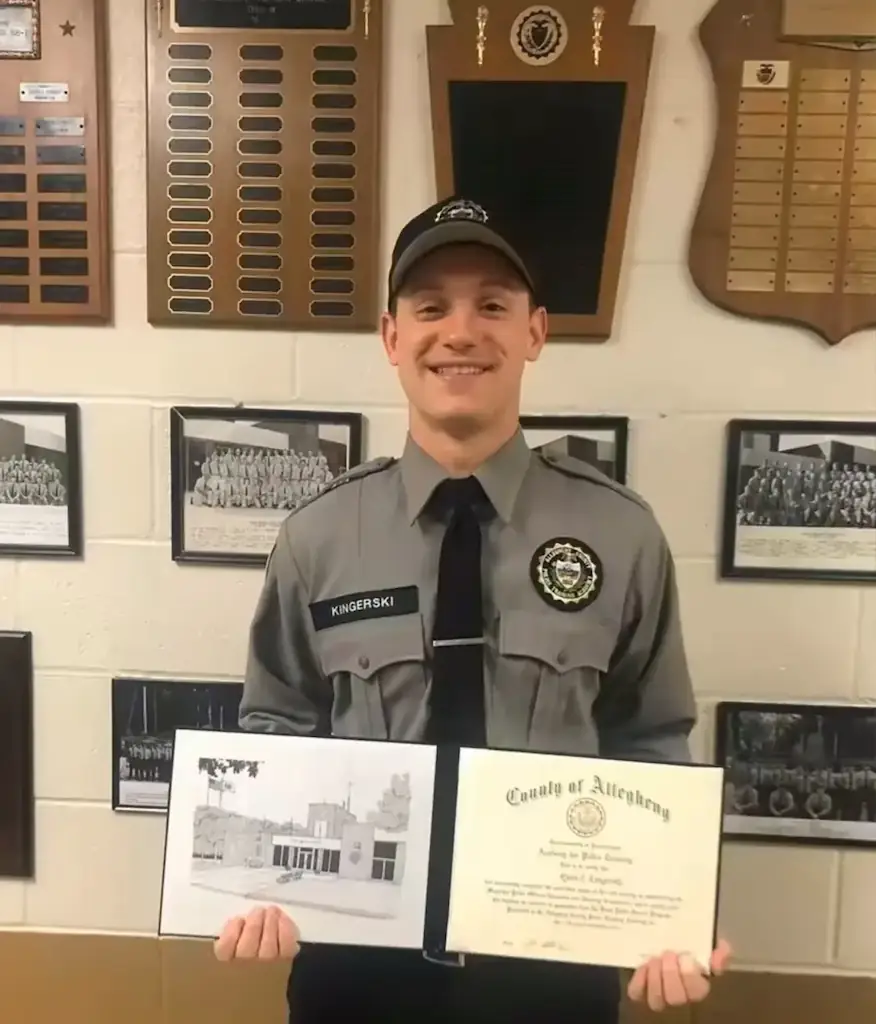
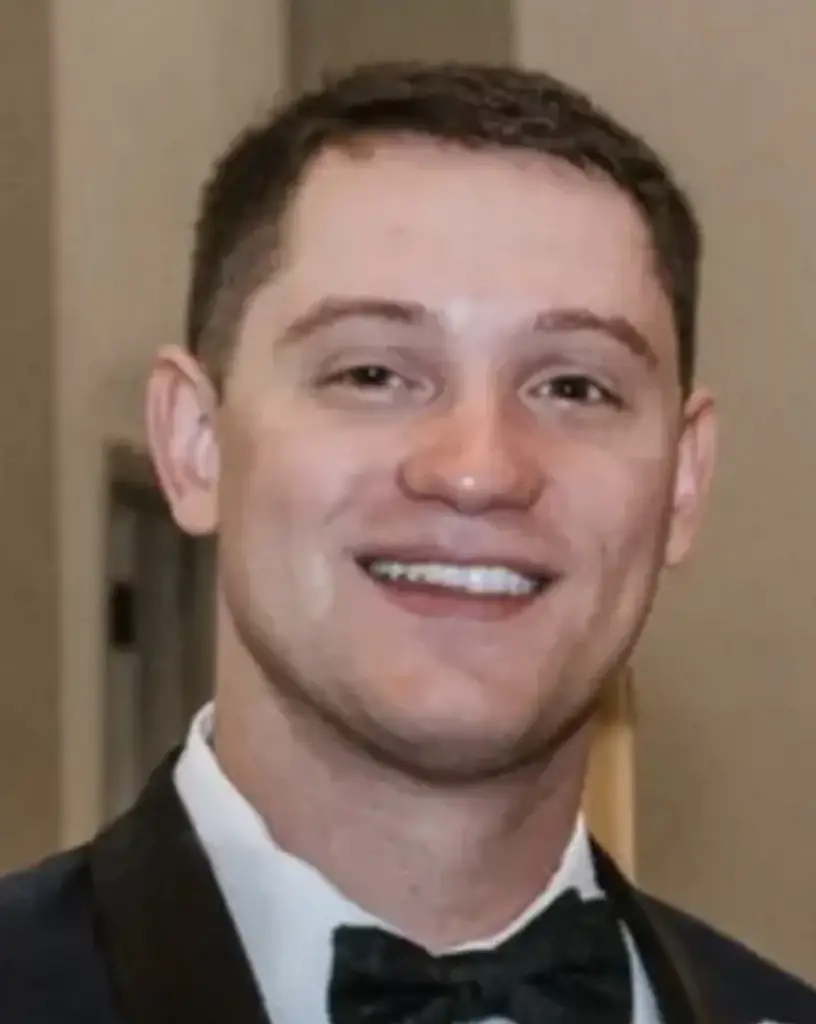
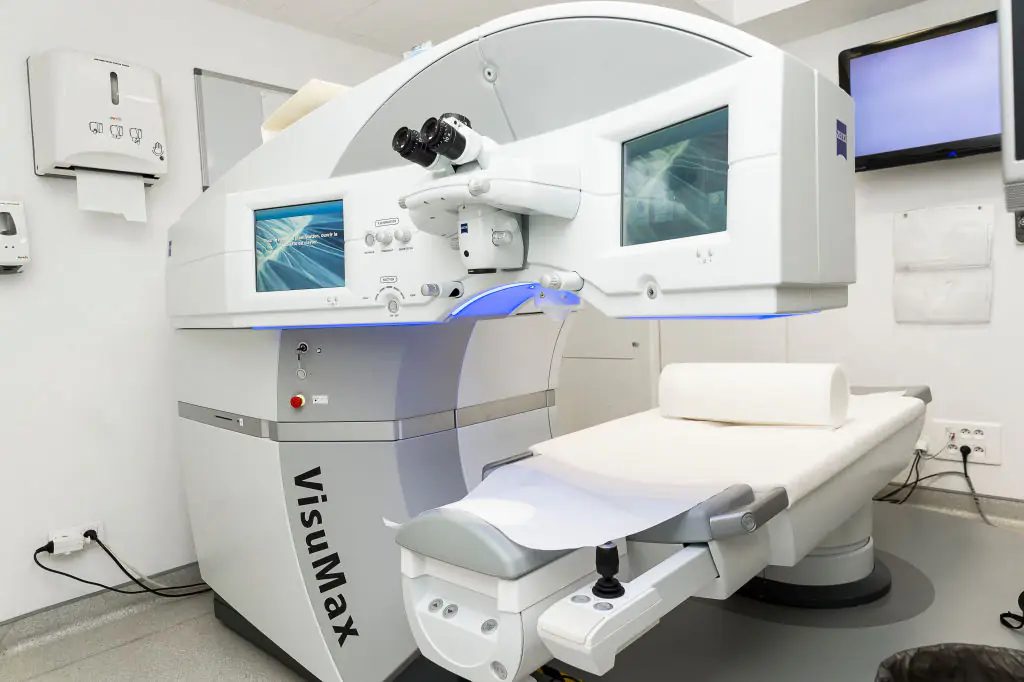
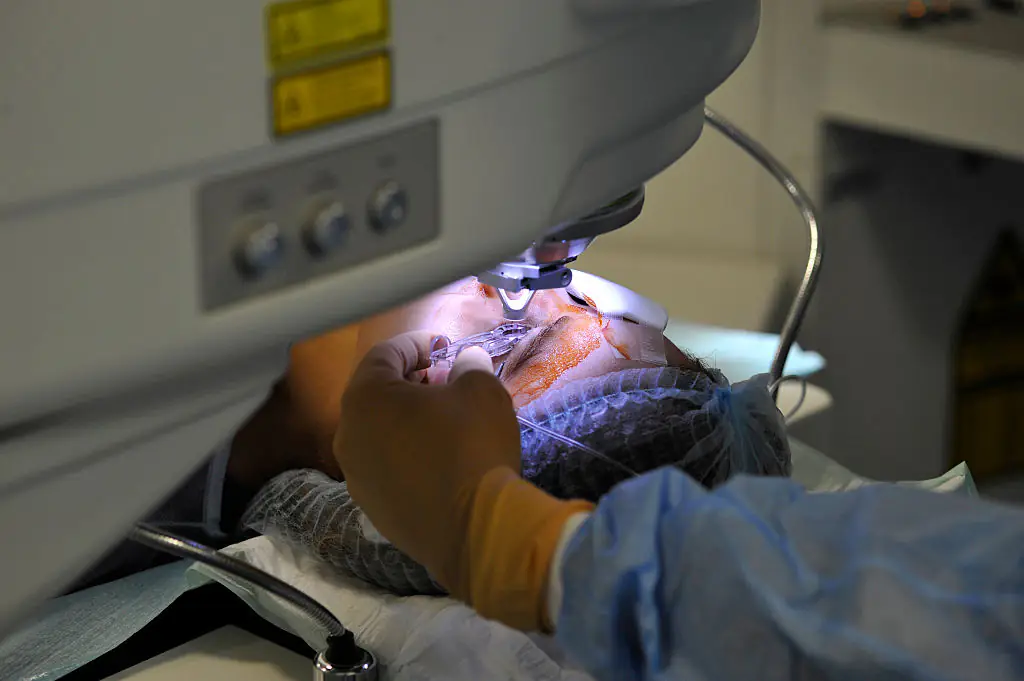
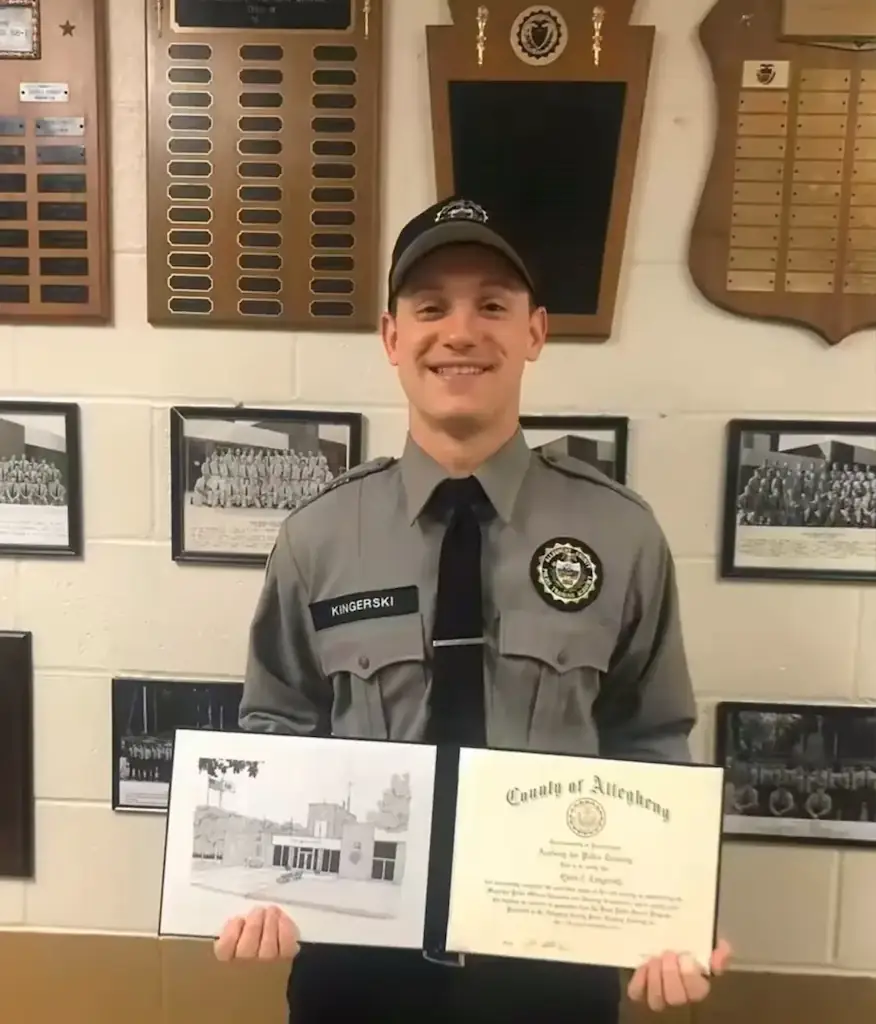
Ryan Kingerski, a Penn Hills Police Department officer and lifelong lover of law enforcement, underwent the popular laser eye procedure LASIK in August, taking time off work to have what his family thought was a routine surgery to improve his vision.
But just months later, the young officer was dead after suffering with side-effects allegedly from the procedure.
“He left us a note that said, ‘I can’t take this anymore. LASIK took everything from me.’ That’s the note that we got left,” Ryan’s father, Tim Kingerski, told CBS News.
“That’s what we were left with,” added his heartbroken mother, Stefanie.
Following the surgery, Ryan began suffering from debilitating complications: constant headaches, double vision, dark spots, and floaters — those shadowy shapes that drift across your field of vision like tiny cobwebs.
His parents said he was “full of regret,” and that despite trying to find specialists who could help, nothing worked.
“He didn’t want anyone else to ever feel the same way, and he wanted people to know the facts,” Stefanie said.
Ryan died by suicide in January, just five months after the operation.
The family described him as “witty, charming, smart,” and someone who always wanted to be a police officer, following in the footsteps of his father — and alongside his twin brother, Jacob, who also became a cop.
When Ryan first told his parents he wanted LASIK, their minds were on the risks of police work — not a vision correction procedure.
“We had no thought of that,” Stefanie said. Tim added, they believed LASIK was a “simple and effective, routine surgery” that would have him “back to work in a couple of days.”
But Ryan never returned to his post.
“It just … it ruined his life. Ruined it. Completely ruined his life in 12 seconds,” Tim told WTAE News.
The Kingerski family has since chosen to speak publicly about their son’s death, hoping to warn others who might be considering the surgery. They encourage anyone suffering from complications to join support groups and seek help through suicide prevention services.
LASIK, which stands for “laser-assisted in situ keratomileusis,” has been FDA-approved since 1999 to correct common vision issues such as nearsightedness, farsightedness, and astigmatism.
Around 700,000 to 800,000 people undergo the procedure annually in the U.S., according to the National Institutes of Health.
The American Refractive Surgery Council reports the rate of serious, sight-threatening complications is less than 1%.
Still, not everyone in the medical field is convinced of its safety.
Morris Waxler, the former FDA official who helped approve LASIK in the '90s, has since become one of its most vocal critics.
He told WTAE News that while the surgery was originally cleared after 100 clinical trials, he later left the FDA and has since petitioned for LASIK’s approval to be revoked — though he’s been denied.
“They cut nerves, then, in addition, they take out a divot, which removes all the support structure or muscle out of the support section and all of it,” Waxler explained.
“Sometimes it grows back, sometimes it doesn’t grow back, sometimes it grows back poorly. For some people, it’s a bigger problem than others.”
Waxler said Ryan’s tragic story should not be overlooked.
If you or someone you know is struggling or in crisis, help is available. Call or text 988 or visit 988lifeline.org.
us4 min(s) read
Published 09:58 25 May 2025 GMT
A man died by suicide after experiencing extreme side effects from a common surgery.
Ryan Kingerski, a 26-year-old police officer from Pennsylvania, had taken leave from his role at the Penn Hills Police Department in August 2024 to undergo LASIK - short for laser-assisted in situ keratomileusis.
Marketed as a quick fix for vision correction, the surgery is the most commonly performed laser eye procedure in the US, often described as a low-risk alternative to glasses or contacts.
But within five months, Ryan’s life had unraveled under the weight of unexpected and debilitating side effects.
“He was very excited because they often tout - LASIK often touts - that you go in and within three days…” his mother, Stefanie, told CBS News.
His father, Tim, added, “Simple and effective routine surgery... that he would be back to work in a couple days.” That day never came.
Instead of returning to the job he loved, the police officer experienced a cascade of brutal symptoms: double vision, severe headaches, floaters, dark spots, and extreme light sensitivity.
“He kept saying how bad the pain in his head was,” his parents recalled. “He had a terrible headache and wasn’t able to focus, and the vision and the blurriness and everything else - and that just continued.”
Despite the father's efforts to find answers, “it was one disappointment after another,” he told WTAE. Ryan’s mental health deteriorated under the relentless discomfort and failed treatments.
“Regret was the big thing. Why would they do this to me? Why would they not tell me?” the mom questioned.
In January 2025, Kingerski ended his life. He left behind a heartbreaking note that read, “I can't take this anymore. LASIK took everything from me.”
His father confirmed: “That’s the note that we got left. It just... it ruined his life. Ruined it. Completely ruined his life in 12 seconds.”
Though LASIK is considered overwhelmingly safe, with a reported complication rate of less than one percent according to the American Refractive Surgery Council, the small number of patients who do experience serious side effects can be left devastated.
The UK's NHS lists potential complications including retinal detachment, permanent vision loss, and under- or over-correction of vision, and requiring a second operation. Other long-term risks may involve early onset cataracts and posterior capsule opacification (PCO).
Morris Waxler, a former FDA official who helped greenlight LASIK, now campaigns against it. “People come in with healthy eyes, and all they need is eyeglasses. But when surgeons cut the cornea, they are removing nerves and leaving the corneas with odd shapes, and some patients will have intractable pain,” he told The New York Post.
“They cut nerves, then, in addition, they take out a divot, which removes all the support structure or muscle out of the support section and all of it,” Waxler added. “Sometimes it grows back, sometimes it doesn’t grow back, sometimes it grows back poorly. For some people, it’s a bigger problem than others.”
To make matters worse, Ryan’s parents claim that LASIKPlus in Pittsburgh, where the surgery was performed, dropped him as a patient after he posted about his experience online.
The clinic responded in a statement to CBS: “Suicide generally cannot be reduced to any single cause,” and insisted that patients receive informed consent.
Online, Ryan’s story has been amplified by others like Hayden Hutchins, who also faced complications post-surgery.
“All these people, Ryan included, like every single story that I hear, it's more or less the same,” he said. Hutchins believes many patients are “dismissed” or “gaslit” when they report problems.
In April, the Penn Hills Police Department honored Ryan’s memory with challenge coins and a heartfelt Facebook tribute: “Ryan was not only a dedicated and hardworking officer but also a kindhearted friend to many of us… His loss leaves a void that cannot be filled, and our hearts are truly broken.”
“We couldn’t be more proud of the son and brother that he was and the man that he became,” his family wrote. “Our pain is unbearable, and our grief is forever now that he is gone.”
Stefanie and Tim are now urging others to carefully research LASIK and to report adverse effects through the FDA’s MedWatch platform.
If you or someone you know is struggling or in crisis, help is available. Call or text 988 or visit 988lifeline.org.
us4 min(s) read
Published 11:58 24 May 2025 GMT
A 26-year-old Pennsylvania police officer left a heartwrenching note revealing the reason behind his decision to take his own life.
Ryan Kingerski, a dedicated officer with the Penn Hills Police Department and a twin, had always dreamed of serving his community.
In August 2024, he took time off from his dream job to undergo the eye procedure, LASIK, which is widely marketed as safe and routine. Tragically, it marked the beginning of a rapid decline.
"He was very excited because they often tout - LASIK often touts - that you go in and within three days..." his mother, Stefanie, told CBS News, trailing off. His father, Tim, added, "Simple and effective routine surgery... that he would be back to work in a couple days."
But Ryan never returned to duty. Instead, the weeks and months following the operation were filled with unbearable side effects: double vision, debilitating headaches, floaters, dark spots, and extreme light sensitivity.
"He kept saying how bad the pain in his head was," his parents recounted. “He had a terrible headache and wasn’t able to focus, and the vision and the blurriness and everything else - and that just continued."
Desperate to find relief, Ryan's father took him from one specialist to another, but "it was one disappointment after another," Tim told WTAE.
As Ryan’s condition worsened, so did his mental state. "Regret was the big thing. Why would they do this to me? Why would they not tell me?" Stefanie recalled.
In January, after five months of excruciating suffering and failed treatments, Ryan took his own life. He left behind a final message that read: "I can't take this anymore. LASIK took everything from me."
“That’s the note that we got left,” his dad said. “It just... it ruined his life. Ruined it. Completely ruined his life in 12 seconds.”
The family believes the LASIK surgery was directly responsible for their son’s death. “People are going to watch this and say it’s mental health. This wasn’t mental health,” Tim shared. “I know my son before his surgery, and after his surgery were two completely different people.”
Adding to the pain, the facility that performed the procedure, LASIKPlus in Pittsburgh, dropped Ryan as a patient after he shared his negative experience on social media. In a statement to CBS, the clinic said, “Suicide generally cannot be reduced to any single cause,” and maintained that informed consent is always provided.
The American Refractive Surgery Council reports a serious complication rate of less than one percent, and nearly 700,000 to 800,000 LASIK procedures are performed annually in the U.S, per the National Institutes of Health.
Still, experts like Morris Waxler, the former FDA official who approved LASIK in 1999, have raised alarms.
Waxler, who later petitioned the FDA to withdraw its approval, said the procedure can have severe complications. "They cut nerves, then, in addition, they take out a divot, which removes all the support structure or muscle out of the support section and all of it," he explained. “Sometimes it grows back, sometimes it doesn't grow back, sometimes it grows back poorly."
Hayden Hutchins, another LASIK patient who experienced complications, amplified Ryan's story on social media. "All these people, Ryan included, like every single story that I hear, it's more or less the same,” Hutchins said. He added that patients with post-op issues are often “dismissed” or “gaslit” by doctors.
In April, Ryan's family gave the Penn Hills Police Department challenge coins and a heartfelt note honoring their son’s memory.
“We couldn’t be more proud of the son and brother that he was and the man that he became,” they wrote. “Our pain is unbearable, and our grief is forever now that he is gone.”
The department also shared a tribute on Facebook: “Ryan was not only a dedicated and hardworking officer but also a kindhearted friend to many of us… His loss leaves a void that cannot be filled, and our hearts are truly broken.”
Ryan’s parents are now urging others to research LASIK thoroughly and encouraging those with complications to report them via the FDA’s MedWatch form.
“He didn’t want anyone else to ever feel the same way,” Stefanie said. “Ryan would be here. All he did was tell the truth.”
If you or someone you know is struggling or in crisis, help is available. Call or text 988 or visit 988lifeline.org.
uk2 min(s) read
Published 14:28 02 May 2024 GMT
Warning: This article may contain details of injuries that some readers may find distressing.
A builder from the United Kingdom was found dead after chopping his hand off and leaving it in a washing-up bowl in the sink with the knife.
Kevin Mayo's partner, Stacey Thomas, had just come home after a day at work when she saw her loved one lying on the garden patio, his hand severed from his body.
Alongside his body lay a note stating that he was unable to cope with everything going on in his life.
The Daily Mail reported that the 60-year-old tragically died from blood loss from the serious injury to his right hand in August last year.
Addressing the tragic incident, senior coroner for Wiltshire and Swindon, David Ridley, spoke of Mayo's state of mind during the fatal incident.
He confirmed that Mayo's lifeless body was found in the patio area. He passed away as a result of severe blood loss after severing his right hand earlier in the day, thought to have occurred sometime in the morning. As such, the manner of death in this case is suicide.
Ridley also spoke of the man's mental health struggles which began very early on in his life. He had long dealt with anxiety and depression, which were worsened by recent events in his life.
Thomas told the court that she had noticed changes in her partner over the previous weeks leading up to the tragedy, stating that he seemed exhausted and depressed just after he started working for a new building company.
She said he told her his younger colleagues were outperforming him at work and his mental health continued to decline as time passed.
Then on August 9, Thomas left for work while Mayo was due for a mental health check, so when he didn't answer the phone during her lunch break, she assumed he was caught up with that.
Sadly, when she came home, she realized that the mental toll had gotten too much for him.
The court also heard that she initially thought he had fallen over when she saw him - that is, until she saw the serious injury. Then she stumbled across the weapon as well as his hand in the sink, immediately calling the local police.
If you or someone you know is struggling or in crisis, help is available. Call or text 988 or visit 988lifeline.org.