


US4 min(s) read
Inmate describes 'hell' conditions in Rikers Island with 'feces on wall' as Mamdani announces plans to close it for good

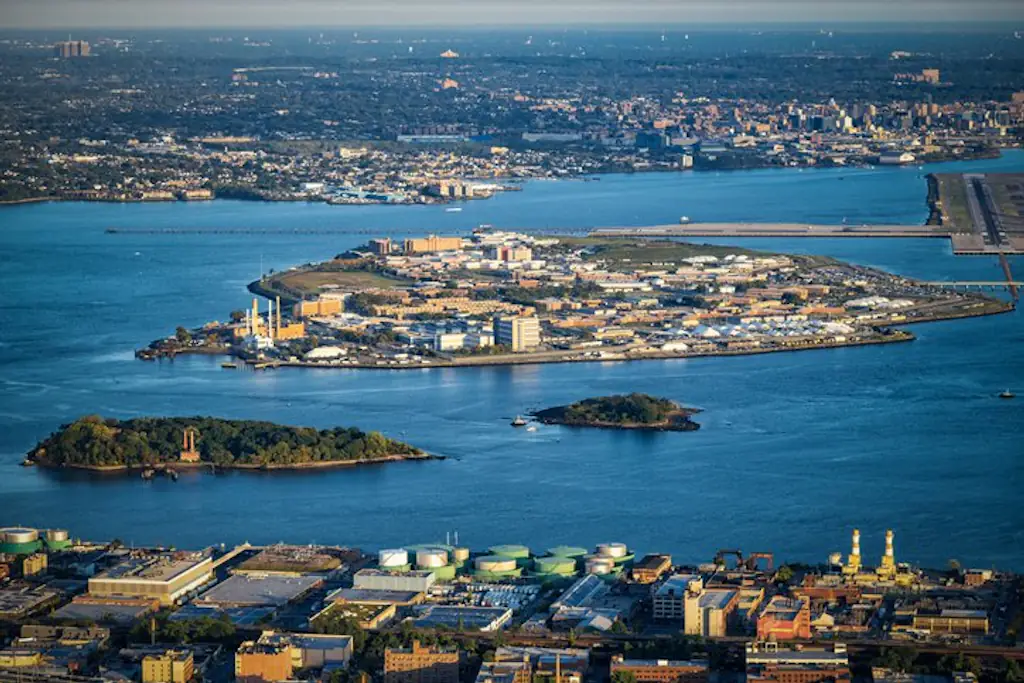
New York City Mayor Zohran Mamdani unveiled a plan on Friday, November 20 to permanently close the Rikers Island jail complex and move its remaining population into smaller facilities by the end of 2032.
The announcement follows years of federal scrutiny and stark accounts from inside the facility, including former detainee Benji Lozano, who described Rikers Island as "hell" and recalled spending weeks surrounded by "feces all over the wall" and inoperable restrooms.
The mayor's proposal comes after previous city timelines stalled. Under 2019 legislation approved by the New York City Council, Rikers was originally slated to close by August 31, 2027, and be replaced by four smaller borough-based jails.
However, city officials have said construction delays and a jail population exceeding the planned replacement capacity made the 2027 deadline impossible to meet.
"It is time to finally close Rikers Island," Mamdani said in a statement. "For decades, New Yorkers have demanded a correctional system that is safe and humane."

Accounts from inside the jail complex
Mamdani initially announced the closure strategy in a video posted on X alongside New York City Department of Correction Commissioner Stanley Richards, who spent more than two years incarcerated at Rikers in the late 1980s.
During a subsequent press conference at City Hall, Mamdani framed the plan as a way to balance public safety with humane treatment for both detainees and staff, calling for "long-term stability rather than making short-term concessions to those opposed to change."
Testimony and footage from inside the facility have brought widespread attention to the living conditions detainees face. Lozano, who spent five months at Rikers after paroling from decades in state prison, described the environment in grim terms. "Plain and simple, hell," he said, noting that "toilets were not flushed, the sinks would not work, it was just, it was disgusting."

Former Department of Correction Commissioner Vincent Schiraldi also acknowledged the severity of the crisis during his tenure, stating that "people were living in inhumane conditions" while healthcare access and court appearances were disrupted.
Schiraldi noted that staffing shortages left several housing units completely unstaffed, prompting detainees to arm themselves with makeshift weapons for self-defense.
Video obtained by NBC News from a lawsuit filed by New York County Defender Services showed scenes of severe violence, including an attempted stabbing and organized inmate fights.
Pretrial detention and the 2032 roadmap
During his remarks, Mamdani highlighted the case of Kalief Browder, who was arrested at age 16 in 2010 over an alleged backpack theft and held at Rikers for roughly three years awaiting a trial that never occurred. Unable to afford $3,000 bail, Browder spent extended periods in solitary confinement before his charges were dismissed in 2013; he died by suicide in 2015 at age 22.
"Our city knows the name Kalief Browder because of the brutality that Rikers Island inflicted upon him," Mamdani said, with Browder's brother, Akeem Browder, in attendance.
Mamdani added that Browder was "a young man who spent more than 1,100 days on Rikers Island, including more than 700 in solitary confinement," arguing that reducing pretrial detention is essential to shutting down the jail complex.
To achieve the 2032 closure, the administration plans to invest $146 million in the next fiscal year toward programs aimed at breaking cycles of incarceration and addressing court delays. The city seeks to reduce its total jail population from roughly 6,600 people in early November 2026 to no more than 5,500 by 2029, and approximately 4,100 by the end of 2032.
The replacement network of four borough-based jails is scheduled to open in phases, beginning with Brooklyn in 2029, followed by the Bronx and Queens in 2031, and Manhattan in 2032.
The city also plans to add hundreds of therapeutic beds for individuals with serious mental health conditions or complex medical needs, building on recent steps such as opening a 104-bed therapeutic unit at NYC Health + Hospitals/Bellevue and closing the vacant North Infirmary Command on Rikers earlier in 2026.