


US3 min(s) read
Major concern for Trump as death row inmate Christa Pike survives two lethal injections in botched execution

Donald Trump's administration has faced renewed scrutiny over the use of the death penalty after Tennessee officials failed to execute Christa Pike, who survived two doses of the lethal injection.
Pike was set to be executed at Riverbend Maximum Security Institution in Nashville on Wednesday for the 1995 murder of Colleen Slemmer, but instead the execution became an unprecedented medical failure after Pike survived two injections.
She was subsequently taken to hospital for what was described as 'life-saving measures', after she was due to become the first woman executed in Tennessee in over 200 years.
Trump criticism for death penalty stance
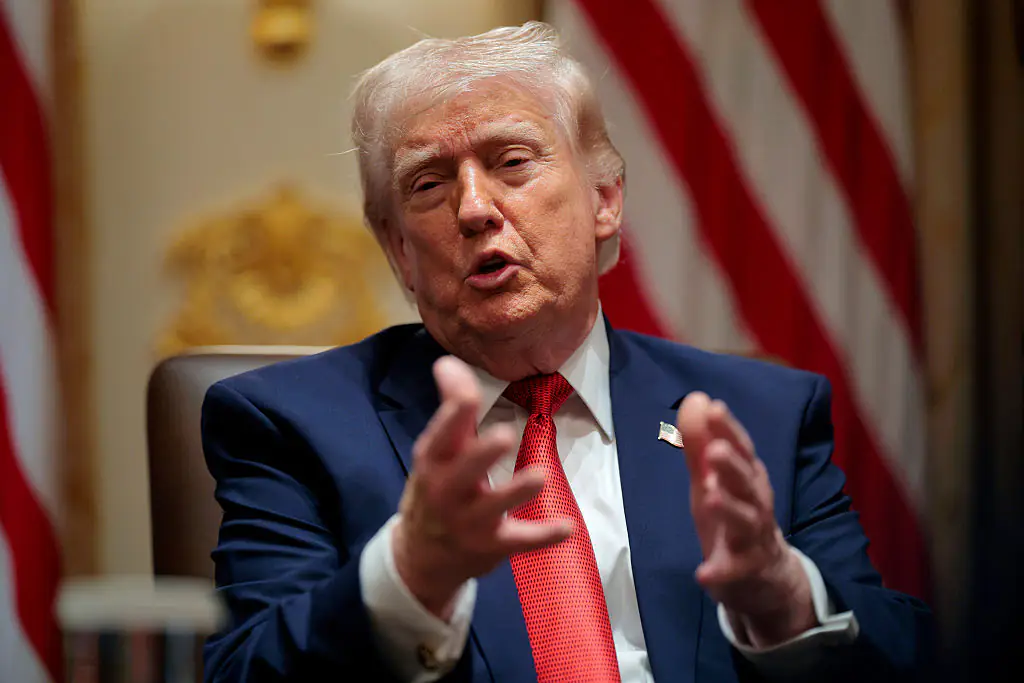
Pike's failed execution comes amid a broader increase in executions in the US during Trump's second presidency, and according to the Death Penalty Information Center, 47 executions were carried out in 2025, the highest annual figure since 2009.
A further 28 executions have reportedly taken place so far in 2026, with six states accounting for this year's executions, Florida carrying out 15, Texas six, Oklahoma three, Alabama two, and Tennessee and Arizona each carrying out one.
The numbers remain well below the modern peak of 98 executions recorded in 1999, but the increase also comes amid debate over whether several US states should abolish capital punishment.
The failed execution of Pike
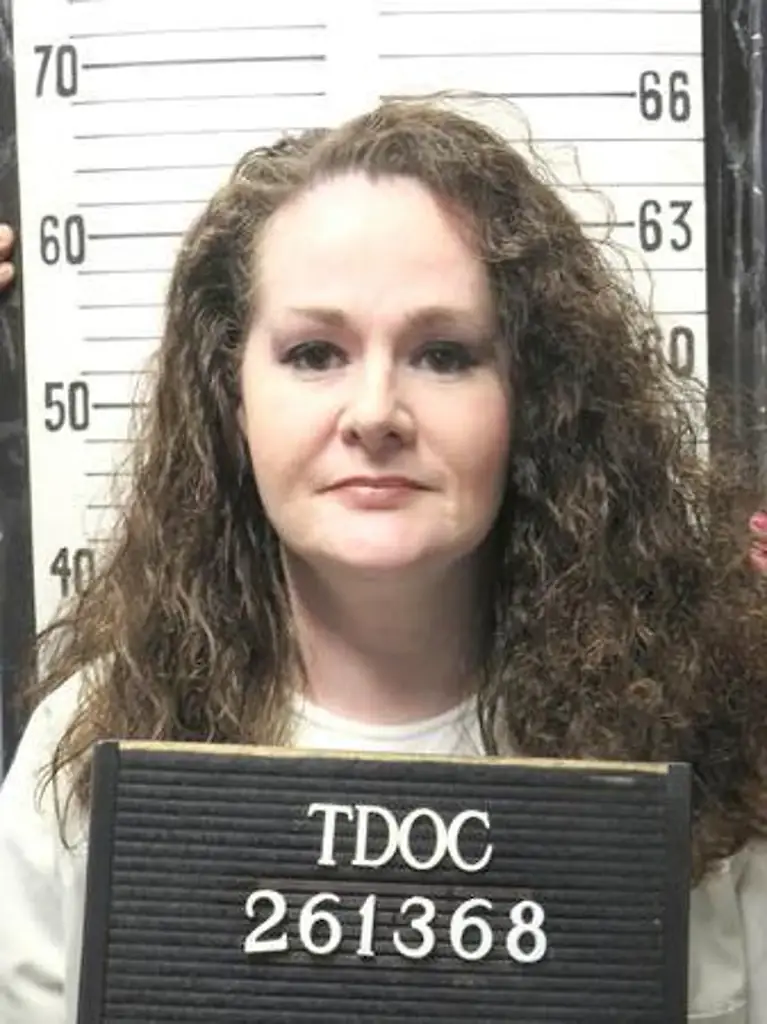
The attempted execution came after hours of legal uncertainty, with a federal appeals court initially putting the procedure on hold before the US Supreme Court intervened and allowed Tennessee to proceed with the execution.
While Pike's execution was originally scheduled for 10 a.m. with witnesses having already gathered at the prison, a 2-1 decision by the Sixth US Circuit Court of Appeals granted her a stay, with additional time required to consider whether Pike's claims of childhood sexual abuse had been adequately taken into account when she was sentenced to death.
Tennessee officials appealed the decision, arguing that stopping the execution at such a late stage had caused further distress for Slemmer's family and rewarded what the state described as 'abusive delay tactics' by Pike's lawyers.
The US Supreme Court subsequently lifted the stay in a 6-3 decision, allowing Tennessee to proceed before Pike's death warrant expired.
However, after the first injection failed, Pike was administered a second, which also failed, leaving her still conscious, before she was rushed to hospital.
Pike's lawyers have also argued that concerns surrounding the execution had been raised before the procedure took place, with her survival now likely to prompt further questions about Tennessee's execution protocol, the drugs used and the medical procedures followed.
Pike was sentenced to death over the 1995 killing of Slemmer, who was also a student at the Jobs Corps training programme, where prosecutors said Pike tortured and killed Slemmer.
Pike's legal team had also argued that her history of alleged childhood sexual abuse and other circumstances surrounding her upbringing deserved greater consideration.
The appeals court's decision to temporarily halt the execution had centred on those claims before the Supreme Court ultimately allowed Tennessee to proceed as expected.