


US4 min(s) read
Newly elected Michigan senator Abdul El-Sayed mocks Trump with brutal 5-word comment after president 'struggled to say his name'

The newly elected Michigan senator, Abdul El-Sayed, has taken a brutal swipe at Donald Trump and JD Vance after securing a historic election victory, using his speech to turn the tables on the Republican leadership.
Abdul El-Sayed, who became the first Muslim elected to the US Senate, celebrated his win after a Democratic wave swept across the country during the midterm elections.
El-Sayed takes dig at Trump and JD Vance during speech
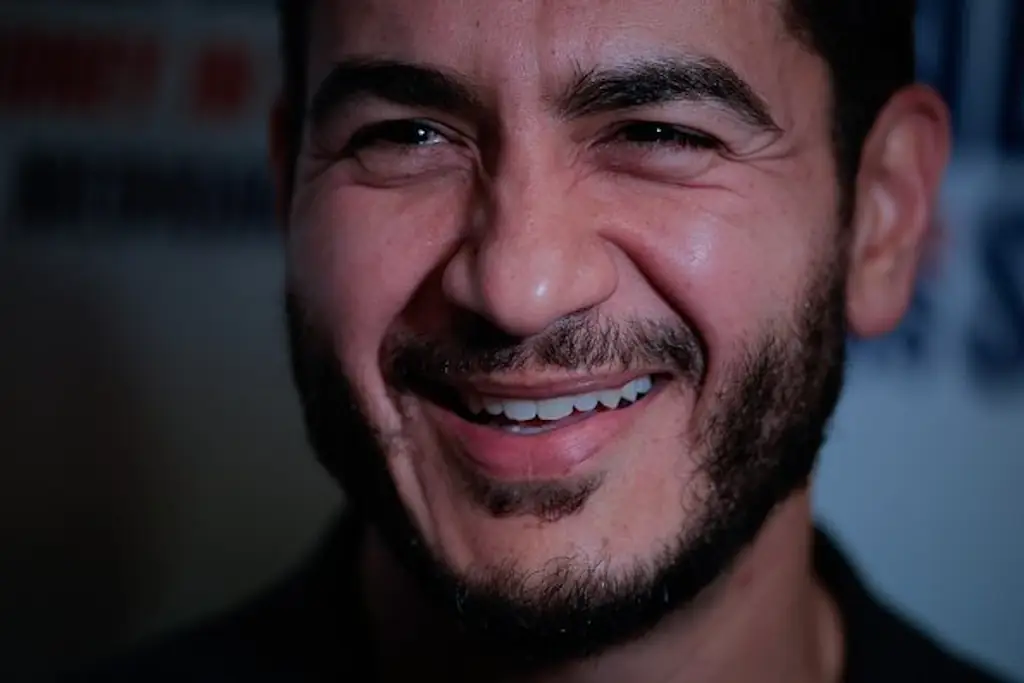
The Michigan-born politician, a former public health official in Detroit and Wayne County, began his speech by introducing himself using the full pronunciation of his name: Abdulrahman Mohamed El-Sayed.
But he soon turned his attention to the country's most powerful political figures, making pointed references to the Islamophobic comments and jokes directed at him during the campaign.
Addressing Vice President JD Vance, El-Sayed said: "JD, habibi," before going on to highlight what he described as the irony of Vance having to formally welcome him into the Senate.
"There is this delicious irony in the fact that you're constitutionally obligated to swear me in in January," he admitted.
The senator-elect also had a message for Trump, who had repeatedly struggled with his name during the campaign.
"I know you struggle with my name, so after JD swears me in, you can just go on and call me Senator," he declared.
Turning to his defeated Republican opponent, former congressman Mike Rogers, El-Sayed delivered another pointed message.
"Enjoy your retirement. You chose hate. And Michigan chose hope," he claimed.
El-Sayed, the son of Egyptian immigrants and a Rhodes scholar, ran on an anti-establishment economic populist platform, with his victory coming despite a series of personal attacks during the election campaign, with Trump repeatedly referring to him as a "jihadist".
Rogers, who had Trump's endorsement, also faced criticism for appearing to portray his opponent as a terrorist.
El-Sayed addresses reason he decided not to initially respond to Trump's Islamophobic comments
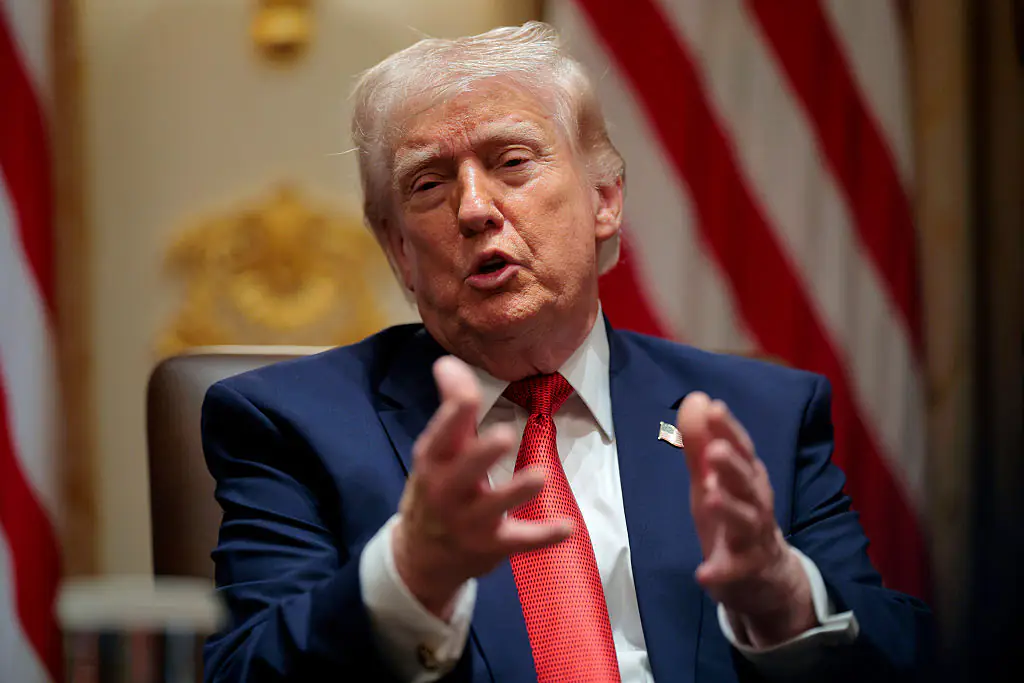
During his victory speech, El-Sayed addressed supporters who had questioned why he had not responded more aggressively to the attacks.
"As I was campaigning, some of you would come up and ask, 'How come you don't hit back? How come you don't call them racist or hateful?'" he alleged.
He argued that the attacks were about more than just him personally.
"They weren't targeting me. They weren't just attacking me. They were targeting and attacking you. They were targeting and attacking the very idea of America."
El-Sayed also accused Republicans of running an especially divisive campaign, claiming they "went all in on one of the ugliest campaigns that we've seen in our lifetimes."
He added that attacks on his identity had done little to address the economic concerns facing ordinary Americans.
"They might have been pointing to my name and my faith, but we all know my name and my faith are not why you can't afford your gas," he claimed.
His campaign also survived a turbulent period within the Democratic Party itself.
Representative Haley Stevens, who had competed against El-Sayed in the Democratic primary, withdrew her endorsement over concerns about antisemitism and subsequently appeared alongside Rogers.
Despite the internal divisions, Democrats across the country largely rallied behind El-Sayed as election day approached, with his campaign attracting support from prominent progressive figures, including Representative Alexandria Ocasio-Cortez and independent Senator Bernie Sanders.
El-Sayed campaigned on a strongly progressive platform that included a commitment to Medicare for All, a proposal to replace America's existing mixture of private and public health insurance with a government-run, single-payer system.
Sanders helped build momentum behind his campaign early on, while Ocasio-Cortez joined him for a final push through Michigan's Upper Peninsula and the Detroit area.
Republicans, meanwhile, had chosen to run with Rogers again after his narrow defeat in 2024, when Democratic Senator Elissa Slotkin won Michigan despite Trump carrying the state by more than a percentage point.
Ultimately, El-Sayed's victory is a historic moment for Muslim representation in American politics, while delivering Democrats another significant win in a fiercely contested state.