


US4 min(s) read
One key date that will decide whether Americans get $5,000 from Donald Trump is fast approaching

Donald Trump has promised US citizens three payments they could be in for a chance of receiving from the government, but under what conditions?
On September 9, Trump revealed something known as the Trump Dividend, which the White House called ‘a historic $5,000 cash payment to every adult American citizen, made possible by the strength of the American economy under his leadership’ in its press release.
But with less than a month until the midterm elections, more information has been released on the cash amounts, which range from $90 to $5,000.
When it comes to the $5,000 dividend check, it’s simple.
A survey by The Economist and YouGov found that approximately 21 per cent of voters believed Trump would ‘definitely or probably’ pay the $5,000 dividend if Republicans continue to control Congress.
But 57 per cent believed that he 'probably or definitely would not deliver.'
What's more, there is the key factor at play in all of this - whether they win the midterm elections.
If you believe he's going to give out the money or you don't, you can bet it isn't going to happen if he doesn't win the midterms.
For some that would be a price worth paying.

In September, Trump said: “Because we’ve done so well, and because our country is making so much money, only I can make this promise to you, and here is my promise: if the Republicans win the House of Representatives and the United States Senate…
"I will issue a dividend to every adult citizen in the United States of America for $5,000.”
In an October 2 update on the fund, Trump posted on Truth Social: “The highly popular $5,000 Trump Dividend will be distributed to every U.S. Citizen if, and when, the Republicans win the Midterm Elections! Thank you for your attention to this matter.”
Later that day in Alabama, Trump clarified it would go to ‘all adult citizens.’
One-time $90 payment
On October 2, the administration claimed it would also send out $90 payments to certain enrollees in the Medicare Part B government insurance program, which covers people with medically necessary services and preventive services like ambulance use and medical equipment to those who are 65 and older.
However, some with certain disabilities are also apparently part of the criteria.
Trump said the money would offset the rising Medicare Part B premiums and could impact 20 million Medicare Part B enrollees, per the White House.
But if the premiums are covered by Medicaid, or if they pay income-related adjustments or are enrolled in Medicare Advantage, they will not get the money.
According to the White House, the fund will come through the Medicare Improvement Fund.
Lastly, there is a $500 payment.
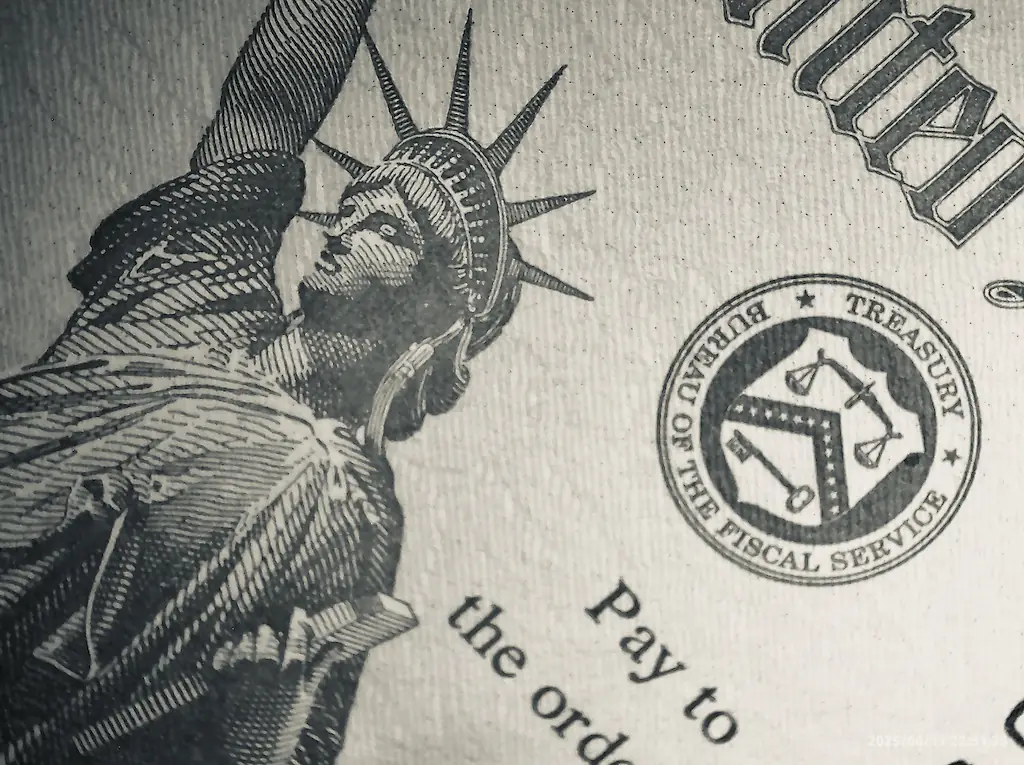
On September 10, the White House announced a ‘refund’ to some Affordable Care Act enrollees, and it will be funded by what it calls ‘overcharges’.
The White House says the Biden administration overcharged Americans through Obamacare plan exchange 'user fees' that were handed over via higher premiums.
The fact sheet regarding the cash says the fees 'far in excess of what was needed to run the exchange' and ended up leading to a surplus that was never returned to those who paid it.
"The government is going to pay the money directly to you," Trump said. "The big insurance companies lose and the people of our country win."
Who gets the money?
Nearly one million Americans across 30 states that use the federal exchange for their Obamacare markets are supposedly set to get the checks, but only if they paid full-price premiums without government subsidies.
The 30 states include: Alabama, Alaska, Arizona, Arkansas, Delaware, Florida, Hawaii, Indiana, Iowa, Kansas, Louisiana, Michigan, Mississippi, Missouri, Montana, Nebraska, New Hampshire, North Carolina, North Dakota, Ohio, Oklahoma, Oregon, South Carolina, South Dakota, Tennessee, Texas, Utah, West Virginia, Wisconsin, and Wyoming.
According to the White House, the money should roll out this month.
But, as for the key date for those $5,000 checks, it all hinges on the events of Tuesday 3 November.
After that, it'll be a matter for Congress, should The Donald win the elections.
If he doesn't there'll be no checks, but also - realistically - things get more difficult for Trump to get through as law.
So, which would you prefer?