ADVERT
US2 min(s) read
Military families and lawmakers are sounding the alarm over a growing mental health crisis aboard the USS Abraham Lincoln as the warship reaches its ninth month at sea.
The aircraft carrier and its crew of 5,000 sailors and Marines have spent a record-breaking 250 consecutive days without making land during their deployment tied to the war with Iran.
Reports from military outlets including The Navy Times and Stars and Stripes indicate that conditions aboard the ship have reached a breaking point.
Thwarted suicide attempts have been reported, with multiple sailors attempting to jump overboard during the extended deployment. Spouses voiced deep anxieties during a town hall meeting in San Diego, where one wife shared that her husband texted her saying, "he hopes he doesn’t wake up tomorrow".
Pictures shared by service members and their families reveal unappetizing, small portions being served on board. One image of a dinner on the USS Abraham Lincoln showed a small handful of boiled carrots, a dry meat patty, and a gray slab of processed meat. Other accounts described meals consisting of half a cup of rice and two tortillas, alongside broken infrastructure such as moldy showers, non-functioning toilets, and long stretches without hot water.
To support struggling service members, families and community groups packed boxes with fresh socks, hygiene products, and food. However, the U.S. Postal Service indefinitely suspended mail delivery to 27 military ZIP codes in the region due to war conditions and airspace closures. Packages sent weeks ago remain stuck in transit facilities without reaching the crew.
Maj. Travis Shaw, an Army spokesperson, told USA Today that the suspension is "in effect until further notice," adding that "Resumption of mail service is contingent upon the reopening of airspace by civil authorities, and the area commander’s evaluation of regional transportation and distribution stability."
Defense Secretary Pete Hegseth dismissed the accounts of poor conditions as "more fake news". Navy officials stated that "current reports from the ship confirm continuous access to clean water, functional AC and healthy meal options," while noting that counselors and chaplains are available on board.
However, lawmakers pushed back sharply against the official response. Rep. Mike Levin criticized the administration, stating, "These men and women signed up to serve their country. The least their country owes them is hot water, a working toilet and a real meal. Hegseth cannot even manage that, and he has the nerve to look their families in the eye and call them liars."
us2 min(s) read
health3 min(s) read
relationships4 min(s) read
world3 min(s) read
Concerns have been raised about the living conditions of US Navy personnel aboard ships deployed in the ongoing conflict in Iran.
After disturbing photos surfaced, shared by servicemen aboard the USS Tripoli and USS Abraham Lincoln, families of soldiers are speaking out, questioning whether the sailors are getting enough food during their deployment.
The images, published by USA Today, showed small portions of food, which appeared inadequate for the number of personnel onboard, raising concerns about possible shortages.
The USS Tripoli, which has been deployed for over a month after leaving Japan, carries 3,500 sailors and Marines. These personnel, alongside other US warships, are tasked with maintaining a blockade of Iranian ports.
With the military operation now deep into its timeline, families of those stationed abroad are particularly concerned about the adequacy of provisions, including both food and personal supplies.
One of the families expressing concern is that of Dan, whose daughter serves as a Marine aboard the USS Tripoli. Through occasional communication with her, Dan learned that the ship was running low on fresh produce, and rationing had become necessary.
"We have the strongest military in the world. You shouldn’t be running out of food, and you shouldn’t not be able to get mail on the ship," he said in an interview with USA Today.
The situation also highlighted logistical struggles, as Dan attempted to send essential items to his daughter, including toiletries, candy, and snacks. However, an indefinite suspension of mail delivery to military ZIP codes in the Middle East delayed the delivery of these packages, leaving soldiers without their much-needed supplies.
The US Navy swiftly addressed the claims, categorically denying that there was any food shortage on their ships. Admiral Daryl Caudle, the Chief of Naval Operations, took to X (formerly Twitter) to refute the allegations, emphasizing that both the USS Abraham Lincoln and USS Tripoli had "sufficient food onboard to serve their crews with healthy options."
He further stressed that the health and well-being of sailors and Marines were top priorities, and their meals were fully portioned and nutritionally balanced.
Moreover, Secretary of War Pete Hegseth dismissed the accusations as "FAKE NEWS from the Pharisee Press" and reinforced the Navy's logistical capabilities.
He added that the ships had over 30 days of food supplies onboard and that the Navy's logistics network was continuously monitoring food and supply levels. According to Hegseth, the Navy was committed to ensuring the troops had all necessary provisions to carry out their duties effectively.
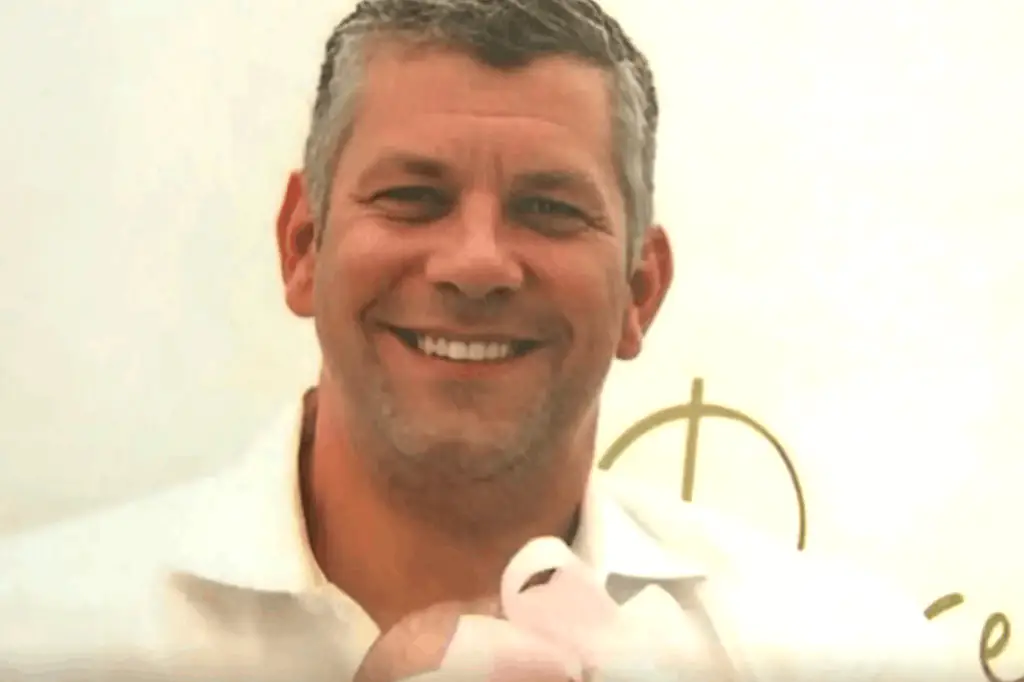
A US Marine veteran and former firefighter has been left with horrific permanent brain injuries after eating seafood.
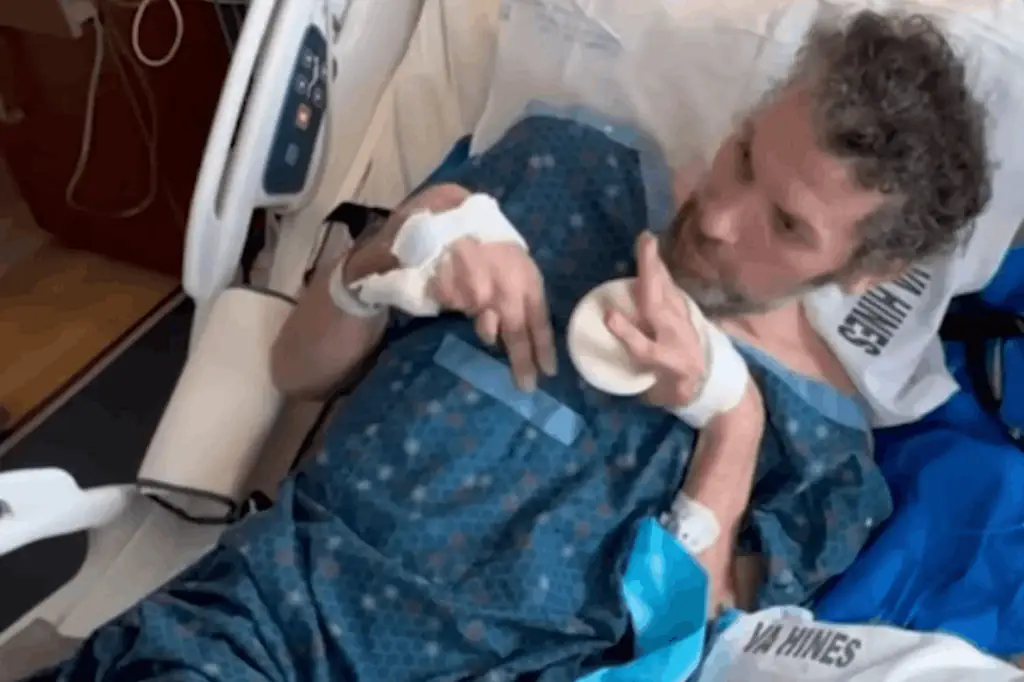
Joe Belgio, 44, reportedly went into cardiac arrest and subsequently fell into a months-long coma, remaining in hospital for over a year as a result.
The Illinois native suffered the health episode after allegedly eating contaminated raw oysters at Gibsons Steakhouse & Bar in Oak Brook, around 15 miles west of downtown Chicago, on June 30, 2025.
A lawsuit obtained by ABC 7 Chicago further details that Belgio was out with his fiancée, Melanie Stayer, who recalled that they were out celebrating with family when he ate the shellfish.
Stayer told the publication: “This was a casual day with a casual man at a restaurant that he wanted to celebrate life with his family, and life can change so quickly.”
She also revealed that the couple was raising their five-month-old daughter, Carmela, at the time.
The Marine veteran went into cardiac arrest three days after consuming the oysters, as his lawyer Scott O'Sullivan claimed that he "lost consciousness and oxygen for at least eight minutes."
He added that his client was revived by the Cicero Fire Department, whom he had served in the past, before being rushed to the hospital.
O'Sullivan added that doctors screened Belgio for bacteria, finding dangerous pathogens in his system.
The lawsuit claims that he contracted two dangerous bacteria from the seafood, namely Enteropathogenic E. coli, also known as EPEC, and Plesiomonas shigelloides, as per CBS News.
Belgio then spent months in a coma and has been confined to a hospital bed since, needing 24/7 care for his condition.
His attorney further claimed: “He is most likely bedridden for the rest of his life,
“He is extremely brain damaged, with very little cognitive capacity, and will need care for the rest of his life.”
The steakhouse and bar said to ABC 7 Chicago that "there have been no other reported cases of illness."
A spokesperson for the restaurant added: “Based on the facts and our internal investigation, there is no evidence to suggest that our establishment caused his health condition.
“We are confident that a fair and thorough legal process will agree with this conclusion.”
Supreme Lobster and Seafood Company, two other seafood suppliers, were also named in the lawsuit.
Following the health emergency, a GoFundMe was set up to help Belgio and his family pay for his care, as he is described as a loving father, Little League coach and “a man dedicated to service.”
The page adds: “An ex-Marine and firefighter who has devoted his life to protecting others and serving his country,
“He completed a courageous tour of duty in Iraq, demonstrating unwavering loyalty and heart every step of the way. Joe has always been the first to lend a hand when help is needed.”
First launched on July 8, 2025, over $86,000 has been raised of the $150,000 goal.
Unfortunately, CBS News revealed that his medical bills have already surpassed the $1 million mark.
A fisherman who became stranded at sea has shared how he managed to survive after he became adrift without food or water.
José Salvador Alvarenga's 438-day ordeal adrift in the Pacific Ocean stands as a harrowing testament to human endurance and ingenuity.
Alvarenga, a seasoned Mexican fisherman, embarked on what was supposed to be a routine fishing trip on November 18, 2012, with 22-year-old Ezequiel Córdoba.
Initially, the trip was promising. However, as a storm began to brew, the decision to continue fishing proved disastrous. Waves inundated their boat’s engine, and they were swept further away from the shore.
For a week, the storm ravaged them, and when it finally subsided, they found themselves adrift with minimal supplies.
In an interview with former U.S. Ambassador to the Marshall Islands, Tom Armbruster, Alvarenga recounted the extreme measures taken to survive. Without fresh water or food, their survival depended on resourcefulness. "We drank the rainwater we collected in plastic bottles," Alvarenga said, describing how they gathered more than 70 bottles to store the precious liquid once it began to rain.
The rainwater was a welcome reprieve from being forced to drink their own urine to survive, per The Guardian.
Alvarenga and Córdoba initially consumed sea turtles and drank their blood, which Alvarenga noted provided significant energy and nutrition. “The blood is extremely healthy and gives you energy,” he shared. They also caught and ate small sharks, utilizing the nutritious liver for sustenance.
But recalling the initial hunger, Alvarenga recalled: "I was so hungry that I was eating my own fingernails, swallowing all the little pieces,” Alvarenga told writer Jonathan Franklin.
The fisherman also recalled scooping jellyfish from the sea and swallowing them whole. "It burned the top part of my throat, but wasn’t so bad," he said.
Their situation grew even more desperate as they drifted further from land. To maintain a food supply, they resorted to catching birds that landed on their boat. They would wait patiently, strike when the birds were within reach, and break their wings to collect them. This method provided a continued, albeit grim, source of nourishment.
The psychological toll of their ordeal was immense. Alvarenga revealed that maintaining mental fortitude was crucial for survival. “The best meals of my life were those imaginary meals I had at sea,” he told Franklin, author of 438 Days. Alvarenga also found solace in mental escapism, vividly imagining sumptuous feasts and intimate moments. “The best sex I had in my life was the imaginary sex,” he said, highlighting how imagination served as a crucial survival mechanism.
Tragically, Córdoba had become depresses and seriously ill after consuming a contaminated raw seabird.
"He asked me to tell his mother that he was sad he could not say goodbye and that she shouldn’t make any more tamales for him – they should let him go, that he had gone with God,” Alvarenga said.
Tragically, Córdoba died shortly after.
"I propped him up to keep him out of the water. I was afraid a wave might wash him out of the boat," Alvarenga recalled. "I cried for hours."
Córdoba death meant that Alvarenga was left to face the vast ocean alone.
Alvarenga described his loneliness and the subsequent hallucinations, including conversations with his deceased companion - asking how he had slept or if he enjoyed his breakfast.
Although he considered ending his own life, Alvarenga revealed that he was afraid to do so as his mom had always told him that those who do so don't get into heaven - instilling in him a fear that resulted in his survival.
Despite several encounters with potential rescue opportunities, including a shipping container that passed without noticing him, Alvarenga’s hope was eventually restored. On January 30, 2014, after more than a year adrift, he reached a small islet in the Marshall Islands. There, he found a local beach house where he was finally able to secure help.
Alvarenga’s incredible journey from November 2012 to his rescue in January 2014 remains one of the most extraordinary survival stories of the 21st century, illustrating both the physical and mental challenges of enduring such an ordeal.
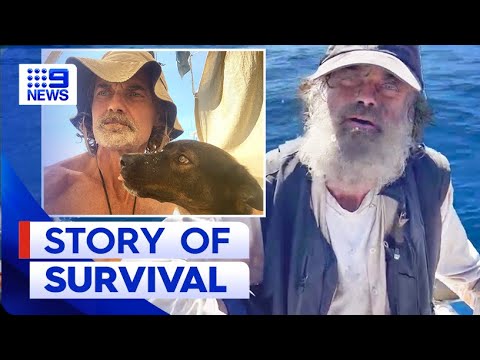
A man and his dog have miraculously survived two months adrift in the Pacific Ocean after their boat was damaged in a storm.
Tim Shaddock, a 51-year-old cancer survivor from Australia, and his black dog Bella had set off from La Paz in Mexico in April, aiming to reach French Polynesia on their catamaran.
However, a month into their trip, their jaunt across the waters ended up turning into a real-life Cast Away experience when a storm damaged their boat, leaving them stranded in the middle of the ocean.
Despite the dire circumstances, Tim and Bella were finally rescued on Wednesday, having survived the past two months by drinking rainwater and eating raw fish for sustenance.
The Sydney resident and his faithful four-legged pal were finally spotted by a helicopter doing surveillance for a tuna trawler after their tiny catamaran was seen bobbing on the water.
Similarly to Tom Hanks' character in the 2000 hit movie, Tim was seen emerging from his vessel looking bedraggled with an overgrown beard and hair, as well as emaciated from the lack of food.
Thankfully, rather than a volleyball named Wilson for company, Tim had Bella the dog to spend time with instead.
In a video of the amazing rescue, Tim is asked his name, to which he responds: "I’m Tim Shaddock, I’m from Australia."
He told 9News: "I have been through a very difficult ordeal at sea. I’m just needing rest and good food because I have been alone at sea a long time. Otherwise, I’m in very good health."
Tim even showed off the results of a blood pressure test which showed he was in remarkable physical condition against the odds.
Mike Tipton, an ocean survival expert, said Tim and Bella had survived the two-month ordeal due to a "combination of luck and skill."
He added: "And also knowing, for example, as Tim did, that during the heat of the day, you need to protect yourself because the last thing you want when you’re in danger of becoming dehydrated is to be sweating."
The expert added that Tim was able to get a supply of fresh water thanks to the location and the climate, as people are more able to survive the warm weather rather than being stranded in freezing climates.
He described the rescue as a "needle in a haystack" scenario, adding: "People need to appreciate how small the boat is and how vast the Pacific is. The chances of someone being found are pretty slim."
Having Bella around to boost his morale is also likely to have helped Tim, as Mike added: "You’re living very much from day to day, and you have to have a very positive mental attitude in order to get through this kind of ordeal and not give up.
"Just imagine how dark and lonely it would feel out there at nighttime. But also, having a plan, rationing yourself in terms of water and food, is really the secret to long survival voyages."
According to friends, Tim had retired from working in the IT industry and was looking for new challenge when he set off on his voyage.
He had also battled bowel cancer around 20 years earlier, crediting fasting and eating a raw food diet with helping him beat the disease.
He previously told The Raw Food Kitchen: "When my health was at a critical stage, it involved a lot of fasting, juicing and smoothies. I recall spending over three months living solely on green vegetable juice at one stage."
Here's hoping Tim and Bella choose a quieter life on dry land from now on.