


US4 min(s) read
How the 'richest state in Canada' could leave and become the 51st US state - the vote is this month

One of Canada’s richest provinces could take its first major step toward independence this month, opening the door to becoming America’s 51st state.
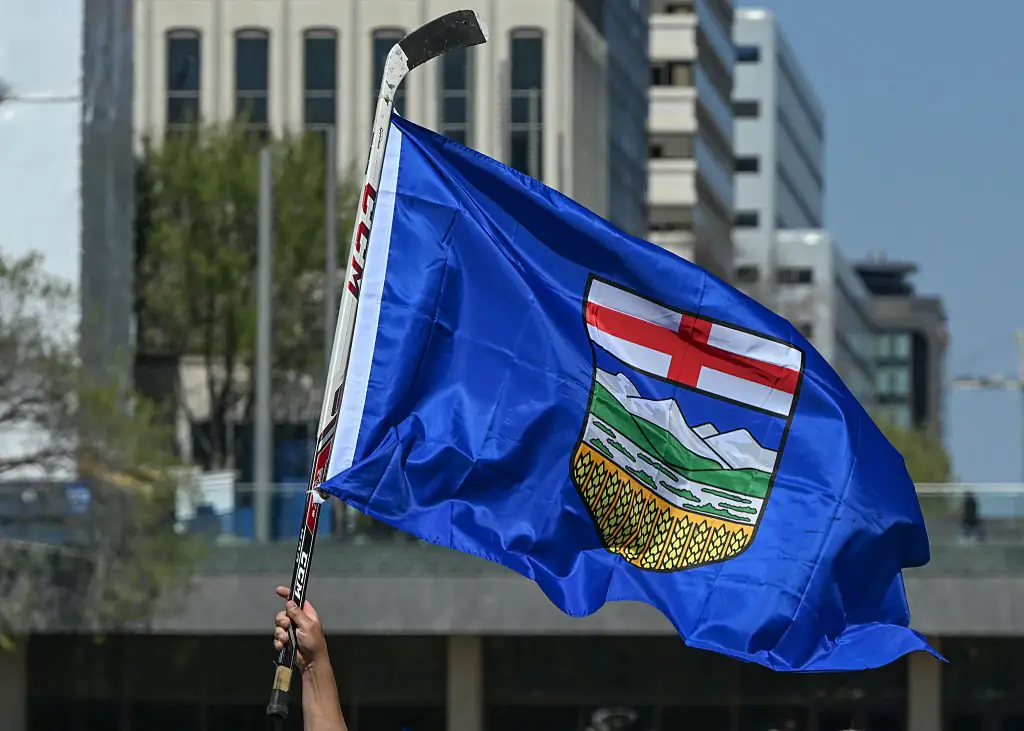
Alberta, often compared to Texas, will hold a referendum on October 19 that could begin the process of separating from Canada.
The independence movement has gained momentum after campaigners gathered more than 280,000 petition signatures, with Elections Alberta confirming 279,337 were valid, comfortably exceeding the 177,732 required.
However, the upcoming vote is non-binding and will not automatically trigger independence.
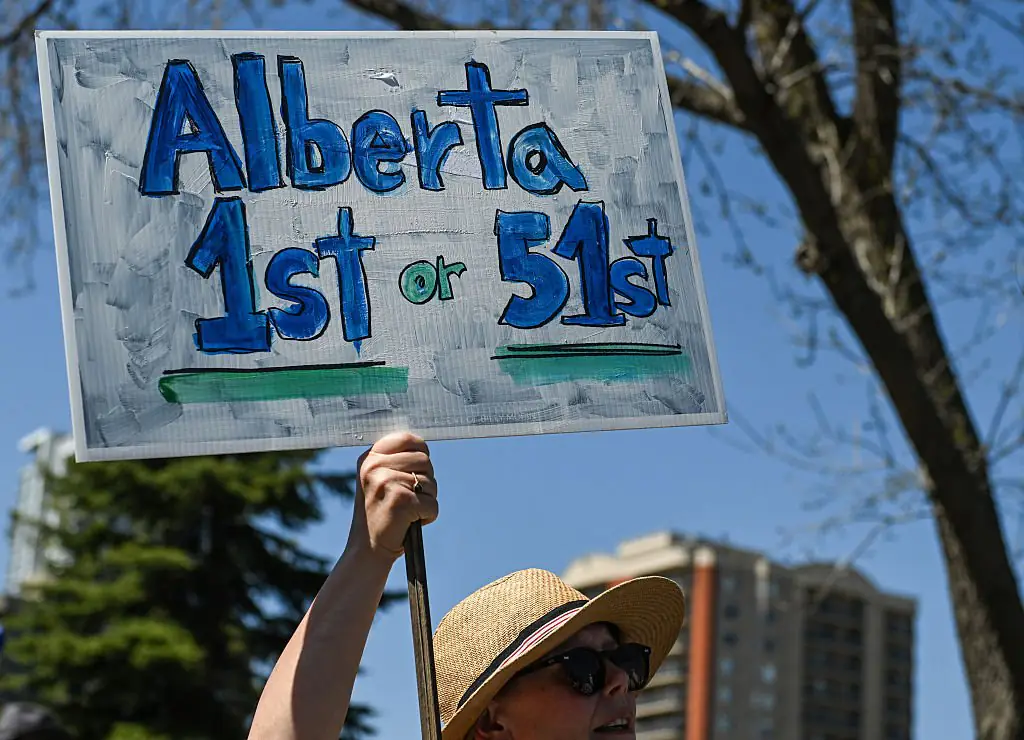
Why does Alberta want to leave Canada?
Alberta is Canada’s wealthiest province by GDP per capita, largely thanks to its oil and gas industry.
The province contains approximately 160 billion barrels of oil reserves, making it the fourth-largest in the world, just behind Saudi Arabia, Heritage reported.
It also accounts for roughly 15 percent of Canada’s GDP, with much of its oil exported to the United States.
However, some Albertans believe the federal government in Ottawa has held back the province’s economic potential through environmental regulations, carbon-pricing policies and restrictions on pipeline development.
In addition to this, political tensions have sparked the independence movement as Alberta is one of the most conservative provinces in Canada, with the Conservative Party winning 64 percent of the vote in the 2025 federal election.
Disagreements over gun ownership, free speech, religion and federal authority have heightened resentment toward Ottawa, particularly following the 2022 trucker protests against COVID restrictions.
Could Alberta become America’s 51st state?
The October 19 referendum will ask Albertans whether they want to remain in Canada or begin the legal process toward separating from the rest of the country.
Nine additional questions address immigration, voter identification, access to publicly funded services, and provincial powers.
Canadian Prime Minister Mark Carney warned that the separation question could become a "dangerous bluff", comparing the potential consequences to Britain’s Brexit vote, per BBC News.
While independence supporters argue Alberta could thrive by controlling its own natural resources, some have suggested the province could eventually join the United States.
This move could expand America's domestic oil reserves and strengthen its energy security.
However, becoming the 51st state would require Alberta to separate legally from Canada before pursuing a separate agreement with the US, including congressional approval.
Albertans divided over historic referendum
Despite the growing independence movement, residents have expressed contrasting views about the forthcoming vote.
Jim Fedor told CBC that he booked October 19 off work so he could vote in the referendum.
"I'm looking forward to it. Never voted in a referendum like this before, so it'll be something new," Fedor said. "I'm gonna vote Option 1 on the separation question, for Alberta to stay in Canada, and the other nine questions I plan to vote no for each one."
"I'll get there early, and I'm willing to wait to get in and vote," he added.
Christine Nelson was less enthusiastic and slammed the cost of holding the referendum.
"I'm really disappointed. The majority of people do not want to separate, and we have to spend taxpayers’ money to vote on something that's not going to go through unless there's some kind of, you know, crookedness going on. It's ridiculous," she said.
Another resident, Charmaine Coutinho, expressed concerns about the political divisions surrounding the vote.
"I am feeling anger about the increase in racism and otherness caused by legitimizing these extreme perspectives through government actions," she said.
"I am saying no to everything, and we are, and I am, very much in favor of staying in Canada."