


US12 min(s) read
Ted Bundy's cousin knew he was guilty of killing women after he made one simple gesture - 'Oh, he did it.'

Long before the world knew Ted Bundy as the notorious serial killer who kidnapped, raped, and murdered many young women and girls between 1974 and 1978, Edna Cowell Martin simply knew him as the older cousin she adored and trusted.
While she was attending the University of Washington, Bundy, who had already earned his undergraduate degree and was working in the political space, lived just blocks away from Martin, giving her a comforting sense that someone she loved was always close by.
"My cousin Ted, whom I absolutely adored, lived [a few] blocks from me. So that was great. I was thinking, if I need anything, or if anything weird happens, Ted's just within minutes," she revealed in an exclusive interview with VT.co.
But little did she know, the man she believed could protect her from danger was the very predator women in Seattle feared.
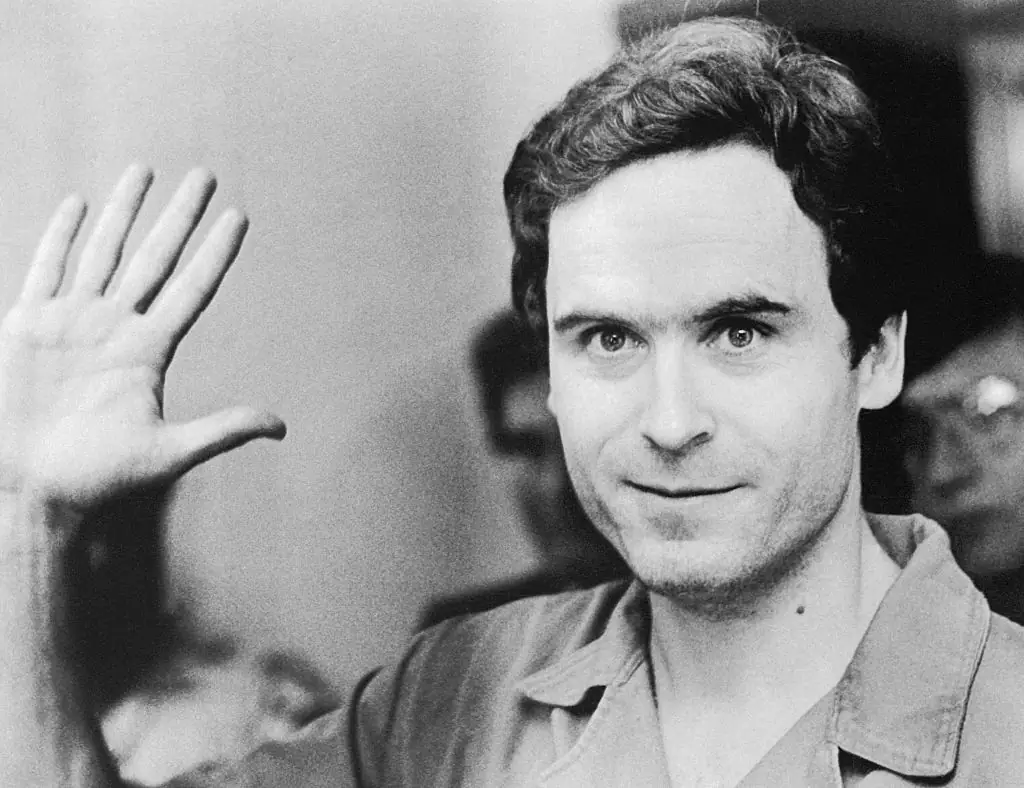
Bundy was born Theodore Robert Cowell on November 24, 1946, to Eleanor Louise Cowell at the Elizabeth Lund Home for Unwed Mothers in Burlington, Vermont. His biological father's identity has never been confirmed.
Louise later married Johnny Bundy, whose surname Ted adopted, and the couple went on to have four more kids.
For Martin, Bundy was simply part of her extended family.
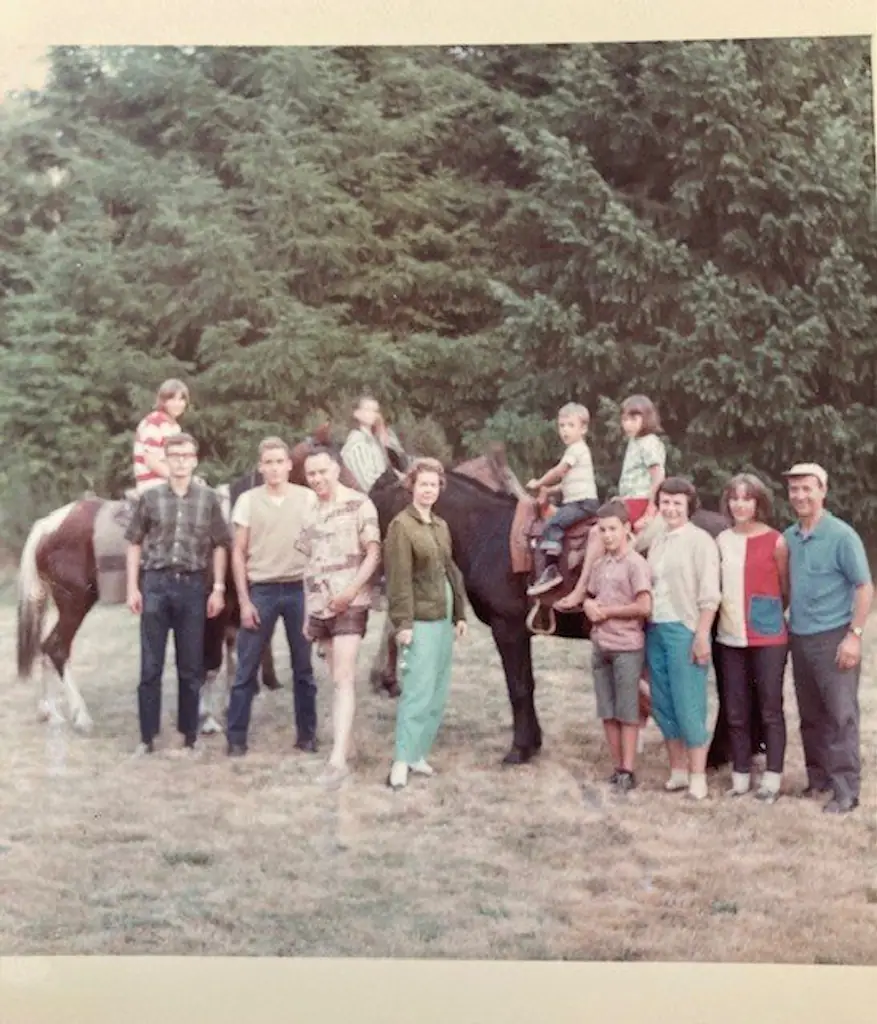
Her relatives were among the Bundys' few family connections on the West Coast, and they saw each other on many occasions.
Bundy was one of the older cousins, so he was not particularly close to Martin during her childhood.
"He was just a really nice older kid who mainly hung out with my brother, so they were really good friends, and I just thought he was really super nice, and I really liked him, and I didn't see anything," she said.
"We didn't live in the same house with him. So it was not like we could see everyday activity. We just saw him when everybody was excited to get together and [have] fun family times," she added.
Moving closer to Bundy
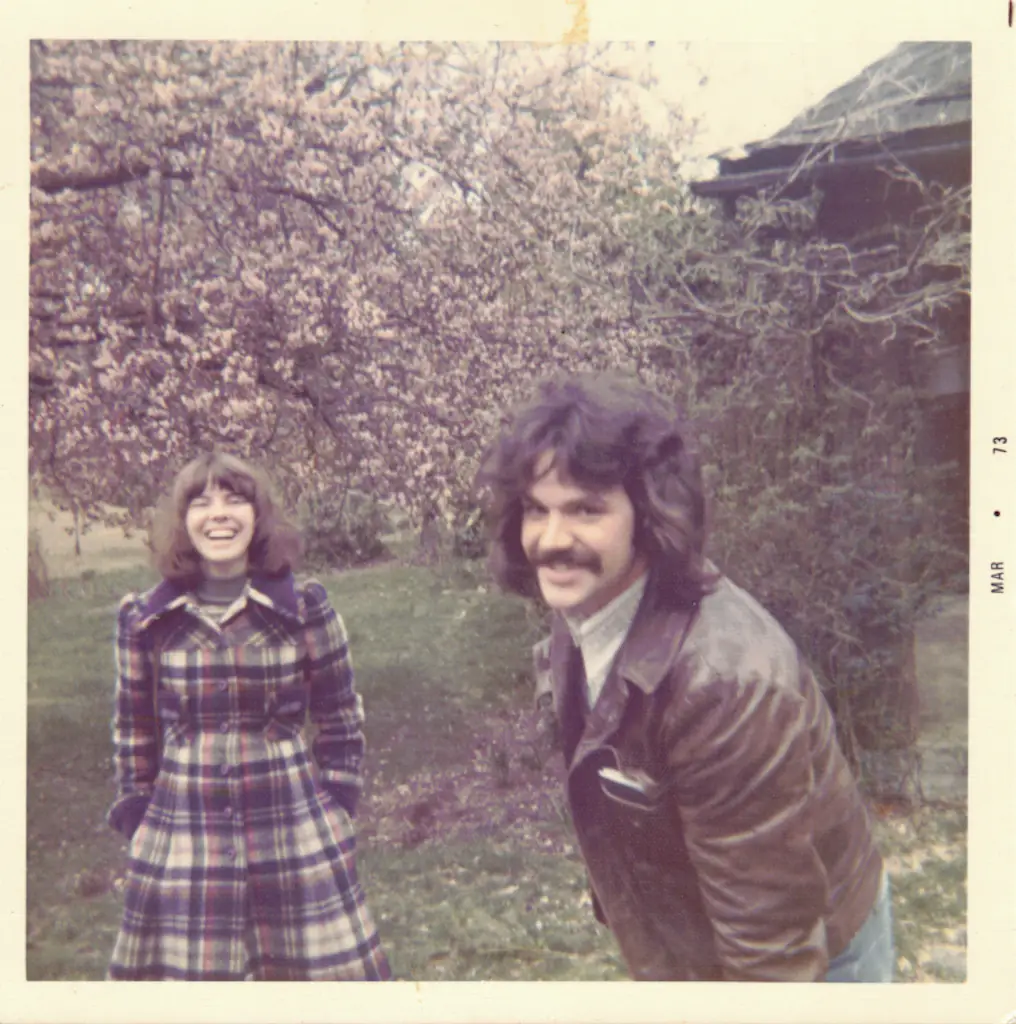
That changed when Martin went to the University of Washington and moved to Seattle, where she got an apartment in the university district with her roommate, who was one of her childhood friends.
Although Martin's parents were uncomfortable with her moving away from home, they felt more at ease after finding out Bundy lived very close to her.
He soon became a regular visitor, often arriving with "a bag of groceries and a bottle of wine," which she and her roommate "always appreciated".
As he was five years older, he would always "hold court" in their home, sharing stories about his career.
At the time, he was helping with the reelection campaign of the governor and was also working with a crime commission in Seattle.
Martin said she had no reason at the time to suspect what Bundy would later be revealed to have done. However, she does recall one encounter that left her uneasy.
One evening, while music was playing, Bundy began dancing with her roommate, who put her head on his shoulder during a slower song.
Martin turned to look at the pair, thinking it was a wholesome moment, until she looked at Bundy and saw something unusual.
"Instead of looking like he was enjoying himself, he was looking down at the top of her head. His jaw was clenched, and he looked really mean. And his eyes were what really got to me. He had blue eyes, but right at that moment when I was looking at him, his eyes looked totally black," she said.
"I found out since [that] when people get really aroused or weird, their pupils dilate. And it makes their eyes go black... I thought something was wrong with him. So I yelled out [and] took the stylus off the record so I could get his attention because he wasn't responding," she recounted.
Bundy appeared to quickly snap back to his usual self.
"He shook his head, and then he looked at me, and his big smile came on, and he takes a breath and says, 'Oh everything's fine.' And I remember thinking, 'Oh, okay, no big deal…he was probably lost in thought or something like that.' But he left right after that."
Fear spreads through the neighbourhood
There is no definitive consensus over when Bundy began attacking women, but Karen Sparks is believed to be one of his earliest victims.
In 1974, Bundy entered the 18-year-old's home and attacked her so brutally, sexually assaulting her and causing extensive internal injuries, including a ruptured bladder.
Thankfully, she survived after the attack was interrupted and Bundy left. Unfortunately, she was left with permanent brain damage and loss of vision and hearing.
Martin did not know Sparks personally. Their connection was solely proximity, as Sparks was attacked just yards from where she lived.
At the time, Martin was working at a restaurant just a block from her apartment, and often finished late.
"It was very dark at that time of year up here. So we'd heard a rumour that there was a stalker right in our area, [near] my apartment - but no further information than that, and it kind of spooked us because a lot of us girls would walk home in the evening after our shifts, and we were very nervous about doing that," she said.
As more warnings circulated, Martin said the fear changed her daily routine, and she ended up quitting her job because she "didn't want to work at night" and felt "too much risk".
That fear heightened when, in the following month, a woman named Linda Ann Healy, who was one of the best friends of my childhood friend, disappeared.
Months later, two more women vanished from a popular lake east of Seattle. Witnesses said the man involved called himself "Ted" and drove a Volkswagen Beetle.
A composite drawing even prompted Martin and others to joke that the suspect looked like Bundy.
"We said, 'Oh my gosh, this looks just like you.' And he just joked along with us [and] said, yeah, 'I know,'" she recalled. "We felt so bad for him because there, he was over at our house right then with his VW and he said, 'Oh, I know, the police have interviewed me.'"
The meeting that changed everything
More than a year later, while Martin was working in Alaska on a crab-processing ship, her brother called to say Bundy had been arrested in Utah, where he had moved to attend law school.
By then, the disappearances in Washington had stopped, while similar cases had begun emerging in Utah, although Martin said she and her family were unaware at the time.
Her brother said Bundy was arrested for an attempted abduction of Carol DaRonch, who was able to fight her way and get out of the car and later identified him in a lineup.
He also said investigators were considering whether Bundy was connected to the missing women in Washington.
Martin was left in disbelief. "I was just absolutely thunderstruck. I was so shocked, and I said, 'No, not, not Ted, that's impossible,'" she said. "I mean, this guy, he's in law school, he's doing all these wonderful things, and he's such a great guy. That can't be possible."
When she later returned to Seattle, Bundy was out on bond after friends and relatives contributed money because many believed he could be innocent.
Martin agreed to meet her cousin for lunch, hoping he could convince her there had been a mistake.
But during the outing with friends, she became disturbed by how he reacted when someone asked his name. Rather than avoiding attention, he proudly announced: "I'm Ted Bundy. It's Ted Bundy."
"Everybody's eyes just went really wide. The young man who had asked the question goes, 'God, really?' He looked like he'd just seen, you know, Mick Jagger or something...and that appalled me. The young woman who had been sitting next to him the whole time recoils. [and] she leans back away from him."
"I'm thinking, 'We got to get out of here.' So I just throw money on the table - more than what was needed - and grab him by the wrist and said, 'We've gotta go. Wonderful seeing all of you,'" Martin told VT.
Later, outside the University of Washington, Martin said she found Bundy surrounded by people, repeatedly saying his name.
"He is standing there with his head tilted back and his arms held out like he's some kind of messiah," she shared. "He's slowly turning, with his eyes closed, and saying over and over again, like he's chanting, 'I'm Ted Bundy. I’m Ted, Bundy.' And I'm just, 'Oh, my God…I don't know this person. I've never seen that kind of behaviour before.'"
That encounter left her unnerved, but it was during their drive afterward that everything changed.
Martin directly asked Bundy if he abducted, hurt, or killed the women, and he responded: "Oh, of course not, Edna, it's all a misunderstanding. I mean, we're going to get it all taken care of. And once they see the evidence, they'll let me go. I'll be done with this.'"
She continued driving, but then she looked at him and saw something that immediately shifted her view.
"It was at that moment that I turned to look at him. And he was looking at me. And he was smiling. And I went, 'Oh, he did it.' That just confirmed it in my mind," she said.
She suddenly became scared enough to consider what she would do if he attacked her.
"This is a stranger. This is not my cousin. What if he makes a move and tries to attack me? I decided at that moment that if he made a move, I would just take the steering wheel and crash the car into a parked car or whatever on his side.'"
After dropping him off, Martin drove to see her boyfriend, Don, who is now her husband of 50 years, and the first thing she told him was, "He did it."
That was the moment when the cousin she looked up to no longer felt like someone she knew.
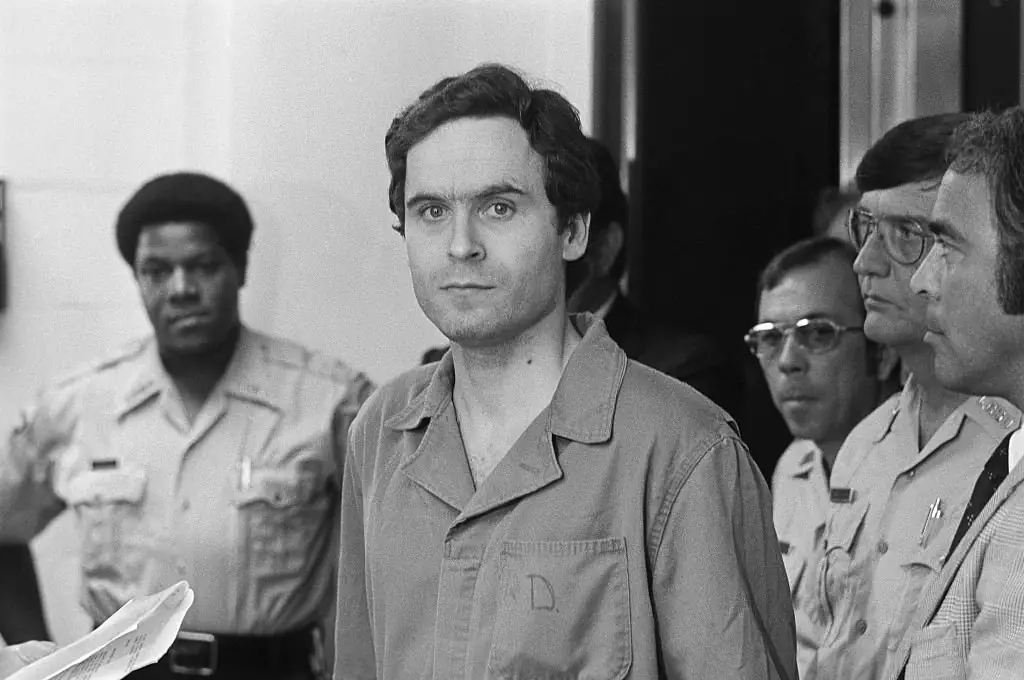
Martin lost contact with Bundy for a few years after that chilling interaction.
The pair did not speak until her cousin, who had by then been convicted of kidnapping and sentenced to up to 15 years in prison, was transferred to Colorado while serving that sentence to face a murder charge in the 1977 death of Caryn Campbell, called her to ask what she thought of his escaping prison for the second time.
"He wanted to know what I thought if he escaped, and I said, 'Ted, you did that once. It didn't work out very well for you, and I said, 'No, don't do that,'" she said.
Martin said Bundy was just convincing her that prosecutors had a weak case against him. She also assumed the call was being monitored, but later found out he was acting as his own defense, so he had access to a phone card, and he could make private calls.
"So nobody heard him telling me this. Otherwise, I would have probably said something," she said,
The next day, December 30, 1977, Bundy fled Garfield County jail and made his way to Florida, where he resumed his killing spree.
On January 15, 1978, he entered the Chi Omega sorority house in Tallahassee and attacked four women, killing two: Margaret Bowman and Lisa Levy, and three weeks later, he killed 12-year-old Kimberly Leach.
On February 12, 1978, while driving to Alabama, he was eventually captured in Florida, where he was convicted of murder and sentenced to death.
Martin revealed that her family avoided press attention because most of them did not share his surname and kept the connection private.
But the countdown to his execution was, she recalled, "one of those awful times I've ever gone through," describing scenes of people wearing T-shirts that said "burn Bundy burn" and openly celebrating his impending death.
"It was really hard on our family," she said, especially on Bundy's parents and siblings, while stressing that the families of his victims had suffered an immeasurable loss and were still hurting.
(1).jpg_XZyAel?tr=f-webp,q-70,w-1024)
After remaining silent for 50 years, the now-74-year-old Martin said that confronting the experience and writing her memoir, Dark Tide: Growing up with Ted Bundy, with writer Megan Atkinson, helped her process the trauma of being "deceived by someone I love".
"I'm sure my trauma is nothing like [victim] family's trauma. But it was really traumatic for me. To be so deceived by someone I love," she said.
"I realize that it's not good to tamp down trauma; you kind of need to get it out. So this has been a fabulous exercise for me because writing the book, Dark Tide: Growing Up with Ted Bundy, was an incredible experience," she concluded.
Dark Tide: Growing Up with Ted Bundy is available to buy on Amazon.