


US4 min(s) read
Top U.S. drone expert warns Iran could make deadly strike to California any second

A leading American drone warfare expert has warned that Iran could carry out a deadly drone strike on California at any moment.
The warning follows an urgent alert issued by the FBI to law enforcement agencies about intelligence suggesting that Tehran may be considering a surprise attack on the US homeland.
The Bureau’s alert said: "We recently acquired information that as of early February 2026, Iran allegedly aspired to conduct a surprise attack using unmanned aerial vehicles from an unidentified vessel off the coast of the United State Homeland, specifically against unspecified targets in California, in the event that the US conducted strikes against Iran," per ABC News.
.jpg_TLIjWJ?tr=cr-0.0.724.483,f-webp,q-70,w-1024)
Drone warfare expert Brett Velicovich, a former US Army intelligence and special operations soldier who previously used drones to target ISIS leaders, said the warning highlights how serious the threat may be.
"We’re extremely vulnerable to drone attacks," he said, cited by The New York Post. "We’re not prepared for this."
Velicovich cautioned that Iran most likely has thousands of drones capable of traveling hundreds of miles and being controlled remotely from great distances. "These are long range, one way attack drones that are extremely capable and can be sent in swarms," he explained.
According to him, such drones could be launched from ships positioned off the California coast, including unmanned vessels.
"You don’t even need a human anywhere near this," he continued. "You can launch these things over Starlink from a boat 1,000 miles away."
He added that Iran’s relationships with countries in Mexico and South America could also create additional launch points closer to the US border.
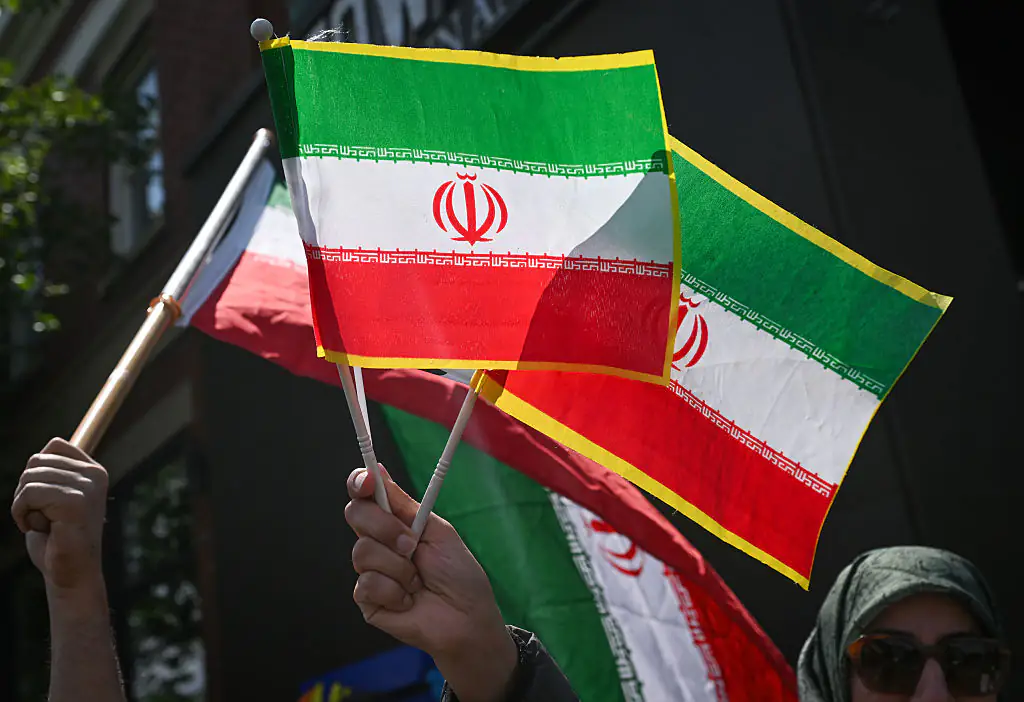
Possible Targets Could Include Crowds and Infrastructure
Velicovich has said that the strategy behind such an attack would probably be to create maximum fear and disruption. "It’s population centers, infrastructure, ports, locations that can disrupt the economy," he noted. "This is an issue that deserves national attention."
Possible targets could include sporting events, hotels, office buildings, government facilities and military bases.
The drones themselves would carry explosives and require only GPS coordinates to reach their targets with precision.
Velicovich added that defending against a deadly strike would require several layers of protection, including missiles to shoot down drones, electronic jamming to disrupt navigation systems, and lasers designed to destroy onboard electronics.
"There’s no one single solution" against drone attacks, he said. "You have, like, literally, guys with machine guns trying to shoot them down.”
He added that the FBI’s alert signals that the threat should be taken seriously: "Somebody credible intelligence that this is a real threat... So they have a duty to warn the American people, and they have a duty to warn local law enforcement to be on the lookout."
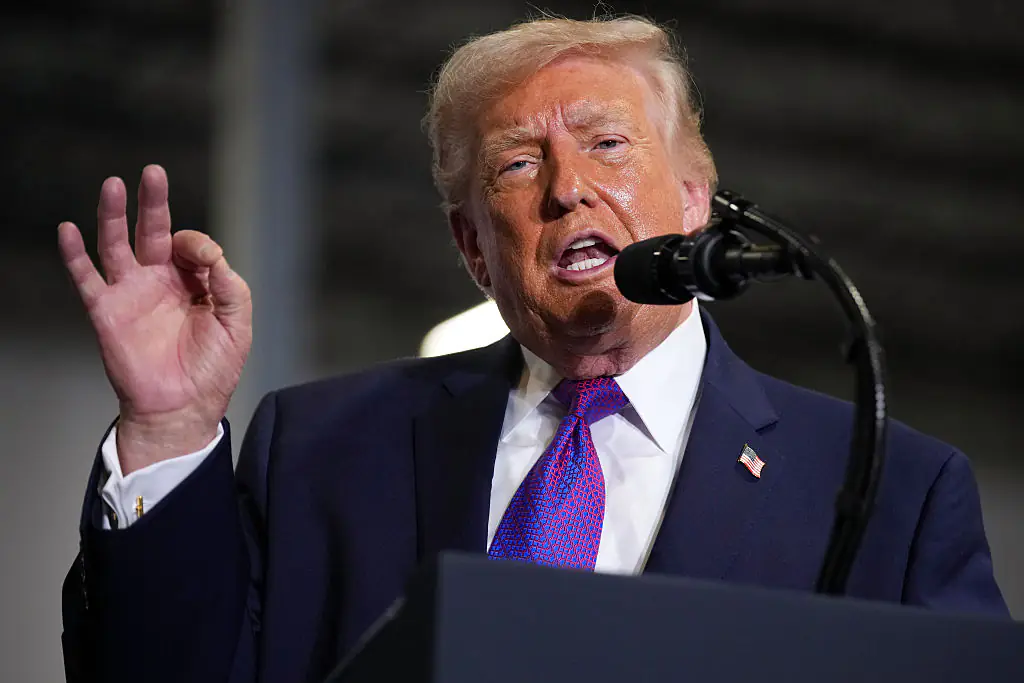
Officials Respond As Conflict With Iran Continues
Local authorities say they are monitoring the situation closely.
The Los Angeles Police Department said in a statement: “We want to reassure every Angeleno that we continue to coordinate with all of our Federal, State, and local partners for intelligence and information sharing during the ongoing Middle East conflict.
"We share this information in real time, assess every credible lead, and adjust our posture as needed to ensure the safety of our City. At this time, there are no known or specific threats to Los Angeles. The LAPD remains prepared and committed to maintaining public safety from all potential threats," they added.
The warning comes as the United States remains engaged in a major military campaign against Iran.
President Donald Trump said this week that the war may end soon, claiming the US military has already inflicted heavy damage.
"Any time I want it to end, it will end," he said in an interview with Axios, per Al Jazeera. He also added: "The war is going great. We are way ahead of the timetable. We have done more damage than we thought possible, even in the original six-week period."
Despite those claims, Iran has continued launching drones and missiles across the region while tensions remain high around the Strait of Hormuz, where disruptions to shipping have pushed global oil prices higher.