


World3 min(s) read
Tourist sentenced to a year in Bali prison for going outside

A Swiss tourist has been sentenced to one year behind bars in Bali after breaking rules surrounding the island's sacred Day of Silence.
Luzian Andrin Zgraggen, 26, sparked anger among locals in March after posting a video of himself walking along an otherwise deserted beach during Nyepi, the Balinese Hindu New Year.
In the clip, Zgraggen described what he was seeing as “crazy” and accompanied the post with a series of expletives.
Zgraggen punished for disrespectful incident
The footage quickly caused outrage, with locals calling for action against the tourist. Zgraggen was subsequently arrested and appeared before Denpasar District Court, where he was convicted of insulting a religious observance earlier this week.
Judge Tjokorda Putra Budi Pastima said the tourist's actions had caused significant offence.
“What the defendant did offended the Balinese people, hurt their faith and provoked public outrage,” he told the Associated Press. “The defendant must be held accountable for his actions.”
Nyepi, also known as the Day of Silence, is one of the most important Hindu celebrations in Bali.
The religious holiday marks the Balinese New Year and normally takes place in March. The observance lasts for 24 hours, beginning at 6am and continuing until 6am the following day.
It is traditionally a period dedicated to silence, meditation, and self-reflection.
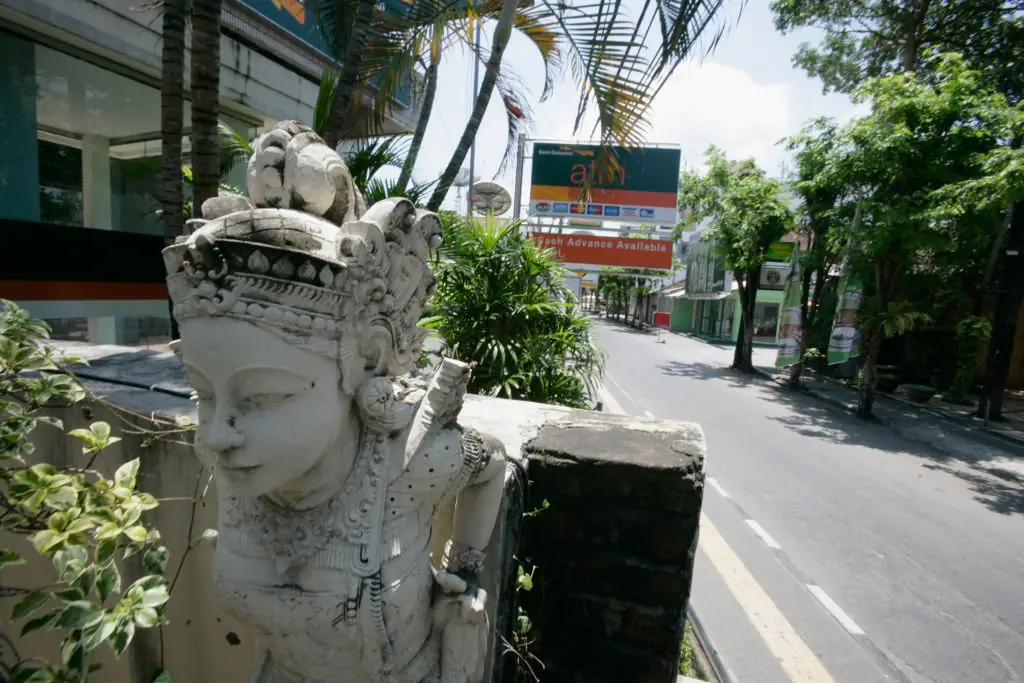
But for visitors to the island, Nyepi can be particularly unusual because Bali effectively comes to a standstill.
During the 24-hour period, businesses, restaurants, and other establishments close, while Bali's airport also shuts down.
Residents and tourists are expected to remain indoors, with restrictions also placed on electricity and, in some areas, internet use.
The rules apply to everyone on the island, including foreign visitors.
Traditional security officers, known as Pecalang, patrol communities to ensure the restrictions are followed. Anyone found outside is generally instructed to return immediately to their accommodation.
Hotels and resorts typically warn guests about the restrictions beforehand and arrange activities that can take place inside their properties.
Zgraggen's trial began in June, with the Swiss national insisting that he had never intended to insult the Balinese people.
Zgraggen apologizes for offence caused
During his defence, he apologized for his actions and said he had become frustrated after struggling to find food.
“I deeply regret what I did, I apologise to the Balinese people,” Zgraggen told the court.
He reportedly said he had been hungry and annoyed because he was unable to obtain food when he filmed the video.
Despite the apology, the court ultimately sentenced him to one year in prison.
The case comes amid a wider crackdown by Balinese authorities on tourists and foreigners accused of violating local rules or behaving disrespectfully.
Bali attracts millions of international visitors every year, but officials have increasingly taken action against tourists accused of breaking local laws and customs.
Last month, two Dutch nationals living on the island were deported and placed on Indonesia's “no-entry list” following allegations surrounding an expatriate running club.
The men, identified in reports as JAS, 35, and HQV, 37, were accused of being involved with Entourage Bali after locals claimed they had been unable to register for an organized run while tourists were allowed to take part.
Entourage Bali denied intentionally excluding local residents, saying applications from locals had been “incorrectly” rejected and that the event was intended to be “inclusive”.