


US4 min(s) read
Transportation secretary says US air traffic control still runs on '1980s copper lines' after nationwide ground stop

The US Transportation Secretary has remarked that US air traffic control still runs on "1980s copper lines" after a nationwide ground stop disrupts thousands of flights
As previously reported, the Federal Aviation Administration (FAA) suspended departing flights across the country following a communications failure affecting air traffic control systems.
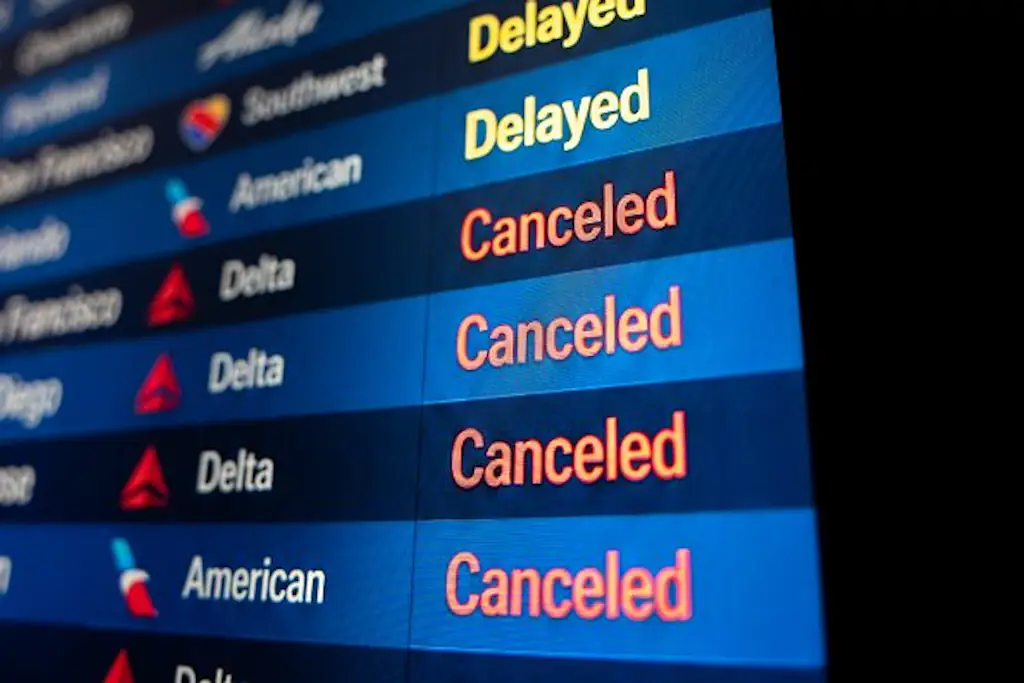
According to the Wall Street Journal, more than 13,000 flights were delayed or canceled during the disruption.
The ground stop was lifted roughly four hours later, allowing departures to resume, although officials warned that the disruption could take days to resolve.
"So at 8.15 tonight, Eastern Time, we’ve opened up the airspace," Sean Duffy, the US transportation secretary, said. "But it’s going to take us some time to unwind what happened this afternoon."
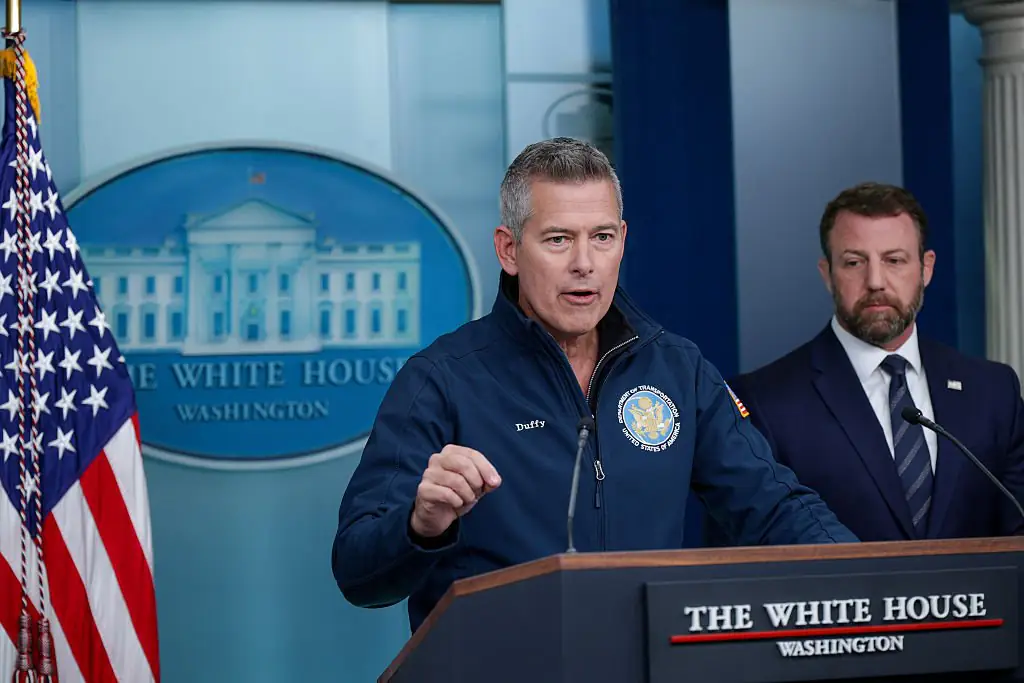
Duffy blames aging technology for nationwide outage
The disruption began at around 3:36 p.m. ET, when air traffic control centers experienced instability affecting radar and communications systems.
During a White House briefing on Friday evening, Duffy blamed the outage on overloaded network equipment within the FAA's aging infrastructure.
"Our (network) switches, our routers, actually got overloaded with data," he said. "They started to give us inconsistency in the data from those routers. And because of that, we shut the system down."
He pointed to the outdated technology still supporting the country's air traffic control network.
"We use 1980s little copper lines," he said. "It's an old system that went down. And it went down everywhere; it got overloaded."
However, US Secretary of Homeland Security Markwayne Mullin, who was also at the briefing, indicated the failure is linked to the FAA's recent effort to upgrade some of the older systems with newer technology.
He noted the FAA was "putting in new equipment, new technology. And that new equipment, new technology, just - it was overwhelming the older system, which is why Secretary Duffy made it very clear the patchwork doesn't work. We need one complete system".
Duffy used the incident to renew calls for Congress to approve funding to replace the aging infrastructure, urging lawmakers to "fully fund a full build of a brand new air traffic control system".
He also warned that the air traffic system will continue to face potential outages until a full overhaul takes place.
"Listen, it's going to continue to fail," he said.
Officials rule out evidence of a cyberattack
Despite the scale of the disruption, federal officials said preliminary findings did not point to a deliberate attack.
Mullin told reporters there was no indication that malicious activity had caused the communications failure.
"There’s no indication as of yet that this was a nefarious attack against it. It’s just a telecommunications outage as of right now," he said.
President Donald Trump also said he didn’t believe it was a cyberattack, attributing the failure to infrastructure that relied on "some old broken stuff," per The Sun.
The disruption came just days after the FAA introduced a cloud-based AI system known as Strategic Management of Airspace, Routes, and Trajectories (SMART) on November 10
The timing raised questions about whether the technology could have contributed to the communications failure, but Duffy denied it.
"This is completely disconnected... this is not even plugged in," he said.
Travelers face continued disruption as officials warn of further failures
Although the nationwide ground stop has been lifted, airlines could face days of disruption as they work to restore normal schedules.
Some flights were cleared to depart, including planes leaving San Francisco for Hawaii and destinations in Asia.
However, many travellers have been left worried by the incident and have raised concerns about the reliability of the country's air traffic control infrastructure, especially as the busy Thanksgiving travel period approaches.
Duffy acknowledged that officials could not guarantee the system would remain operational without further problems.
When asked whether a similar outage could happen again, he responded: "I don't know."