


US2 min(s) read
Trump 'seriously considering' turning new country into 51st state

Donald Trump has once again sparked controversy after reportedly suggesting that Venezuela could eventually become America’s 51st state.
The president has previously spoken about expanding US influence abroad, including comments about Canada, Greenland, and the Panama Canal.
But his latest remarks about Venezuela have raised fresh questions over how serious his ambitions really are.
According to reports, US forces captured former Venezuelan leader Nicolás Maduro and his wife, Cilia Flores, earlier this year during what was described as a “laserpoint military operation.”
Since then, US officials have reportedly been working closely with Venezuelan authorities while American energy companies move into the country’s oil sector.
Claims Trump was looking to add a 51st state
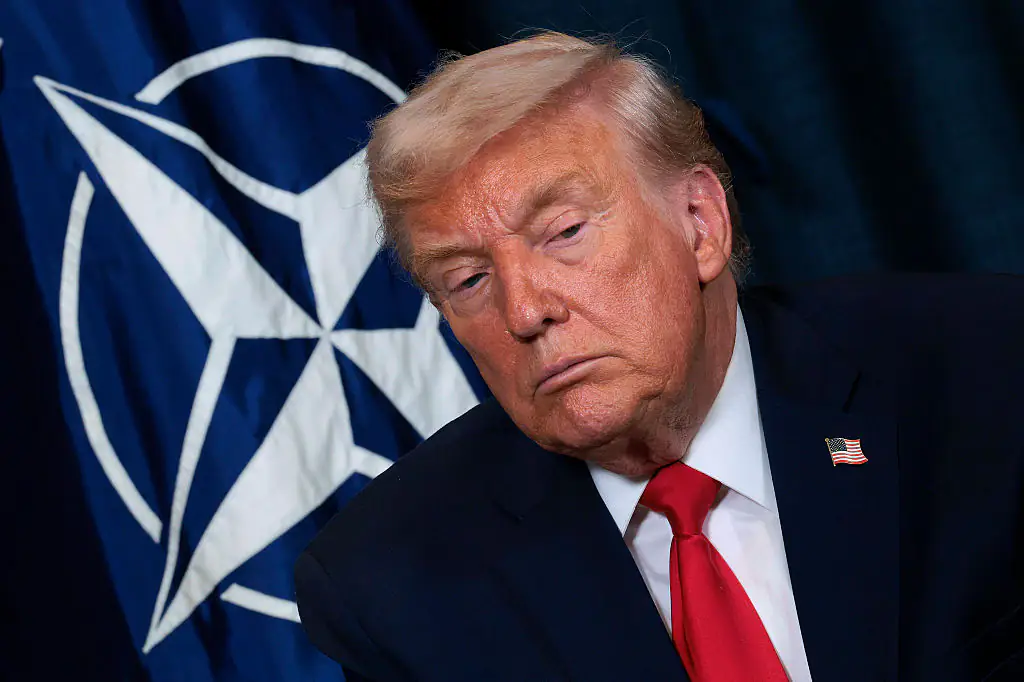
Fox News co-anchor John Roberts later claimed Trump was “seriously considering a move to make Venezuela the 51st state of the United States.”
Trump had previously hinted at the idea in March after Venezuela defeated Italy in the World Baseball Classic, posting online: “STATEHOOD, #51, Anyone?”
Speaking recently about US involvement in the country, Trump described operations there as “military genius” and painted a positive picture of the situation under American influence.
“Venezuela is a very happy country right now,” he said. “They were miserable. Now they're happy.”
He also praised the country’s oil industry, saying: “The oil that's coming out is enormous, the biggest in many years. And the big oil companies are going in with the biggest, most beautiful rigs you've ever seen.”
Venezuela holds some of the world’s largest proven oil reserves, which Trump has repeatedly highlighted as a major reason for increased US involvement.
The chances of acquiring the country remain unlikely
Despite the rhetoric, experts note that turning Venezuela into a US state would require approval from Congress as well as consent from Venezuela itself, making the proposal highly unlikely.
Still, Trump has continued to suggest stronger American control in that particular region, while the US has increased its military presence in the Caribbean in recent months. Secretary of State Marco Rubio previously told Congress: “The only military presence you will see in Venezuela is our Marine guards at an embassy.”
Venezuela’s acting president, Delcy Rodríguez, rejected Trump’s suggestion outright, saying the country had “no plans to become the 51st U.S. state.”
“We will continue to defend our integrity, our sovereignty, our independence, our history,” Rodríguez said, adding that Venezuela is “not a colony, but a free country.”
Human rights organizations have also voiced concerns. A coalition of Latin American groups warned that while Venezuela may need democratic reform, this “cannot justify the breakdown of international order or legitimize violent and unilateral means that impose the logic of the strongest.”