


US3 min(s) read
US government urged to act on dangerous new street drug 40x more potent than fentanyl that has already killed at least 2,000

As fatal overdoses continue to plague the streets of America after a new street drug was reported to have killed over 2,000 people, a new bill has been introduced to Congress.
On March 18 Congressman Bob Latta introduced the Strengthening Tools to Outlaw Poisonous (STOP) Nitazenes Act.
The bill sets to permanently schedule 2-benzylbenzimidazole opioids, commonly known as nitazenes, as Schedule I controlled substances.
This would mean that the drugs are ruled to have no medical purpose and would be much more strictly regulated than if they remained classed as schedule 2 drugs.
The new drug is more dangerous than fentanyl
Nitazenes, an extremely dangerous type of synthetic opioids are becoming one of the main contributors to overdoses nationwide.
In a press release Bob Lutta said: "Families in Ohio and across the nation have already felt the devastating impact of the ongoing fentanyl crisis.
“With the rise in nitazene use, the opioid epidemic is becoming even more dangerous. That's why I introduced the Stop Nitazenes Act, to permanently classify nitazenes as a Schedule 1 drug, the most restrictive category, and to help curb the use of illegal opioids in our country.
“We must act now to stay ahead of the growing number of lives affected by this deadly drug."
It has been reported that some nitazenes are up to 800 times more potent than morphine and 40 times stronger than fentanyl, drugs that have historically been linked with street overdoses.
Similar to street drugs laced with fentanyl, users are often completely unaware that the substance they are using is laced with nitazenes.

Overdose deaths will continue to rise if no action is taken
Around 2,000 people in the US have died from nitazene-related overdoses since 2019 according to Medical Discovery News, and the number is predicted to continue growing.
The synthetic opioids were developed in the 1950s by an Austrian pharmaceutical company but were never approved for medicinal use and trickled into illegal markets instead.
As nitazenes are more potent than fentanyl, smaller quantities produce the same effects, therefore making it more cost-effective for production and distribution.
Potentially more significantly, they flew under the regulatory radar as authorities largely did not know of their existence, so the punishment for possession or distribution is less clear cut.
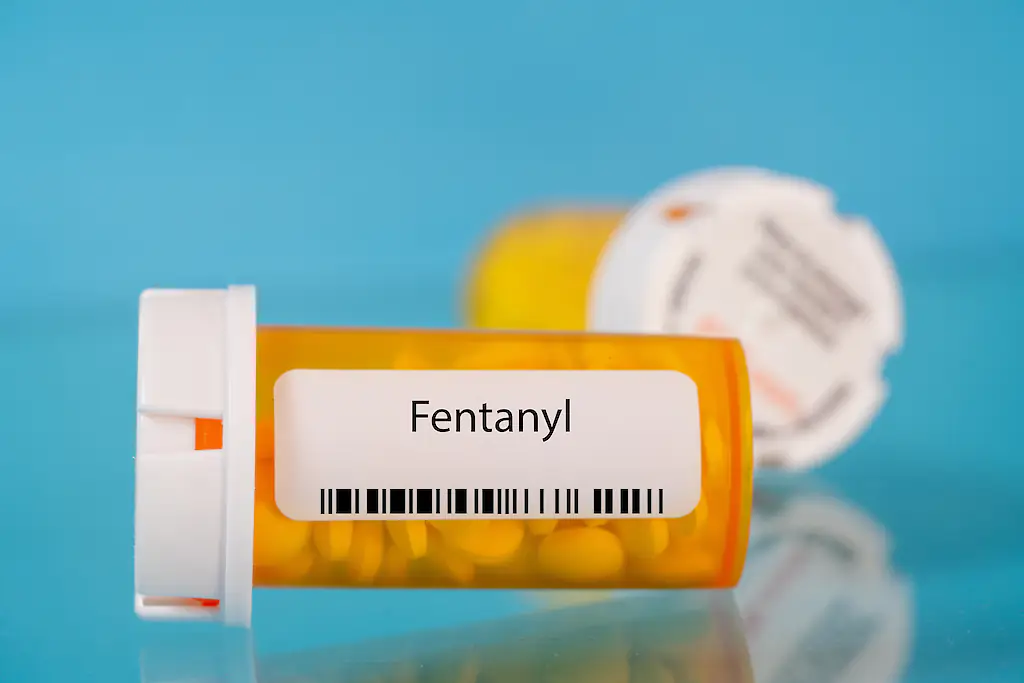
Historical formulas are being used to make new street drugs
Illegal laboratories are thought to have discovered the chemical formulas for nitazenes in historical textbooks and learned how to synthesize them.
They are made, alongside experiments to create new strains using raw materials often supplied by Asian sources, across America and Mexico.
In 2023, synthetic opioids made up 70% of the 105,000 overdose deaths in the US, with fentanyl being the most prevalent.
Tragically the number of fatal overdoses is expected to increase dramatically as nitazenes surge in popularity, but hopefully stricter regulations will ease the increase.