


US3 min(s) read
US military draft to target one specific group of people
.webp_SmgFsc?tr=cr-292.0.1244.952,f-webp,q-70,w-100)
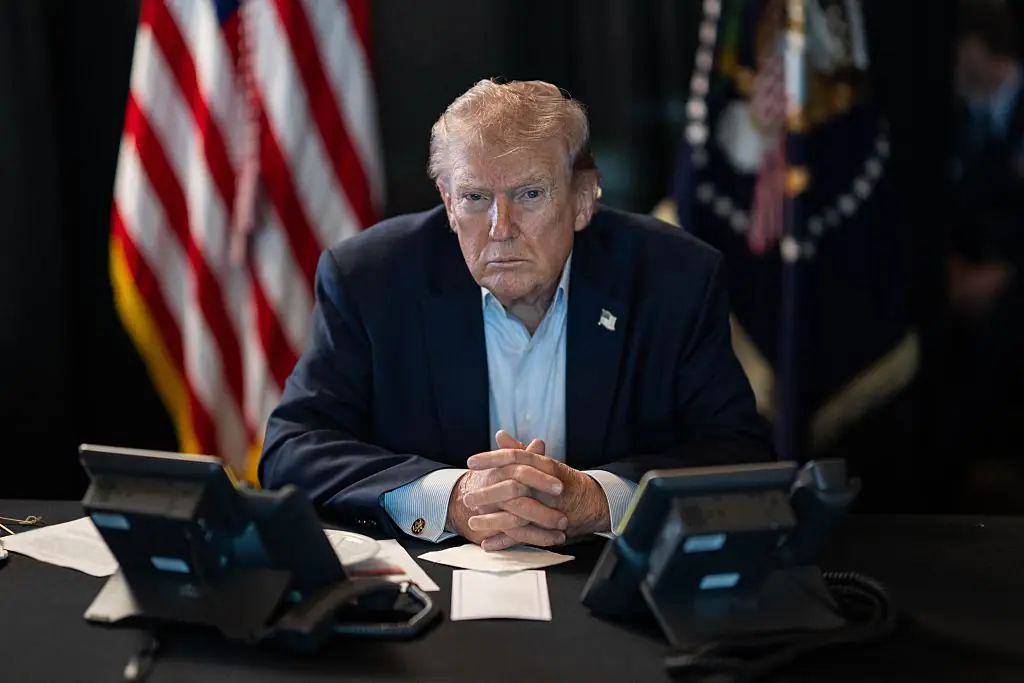
Questions surrounding resource allocation have intensified during President Donald Trump's ongoing military campaign against Iran. Alongside Defense Secretary Pete Hegseth, the administration faces growing scrutiny regarding military supplies.
At the same time, domestic pressure continues to build ahead of the upcoming midterm elections due to rising gas prices affecting American consumers. While current operations rely on standard assets, the possibility of a full-scale ground war could force the administration to evaluate options like mandatory conscription to strengthen troop numbers.
Although the United States currently maintains a fully volunteer military force and has not executed a draft in more than five decades, the legal structure governing military conscription remains active.
Recent procedural updates proposed by the Selective Service System aim to transition the process from self-registration to an automated system. This system update could be implemented as early as December.
In an interview with Christopher Lee of Foresight Strategic Advisors, the mechanics and political implications of potential conscription were analyzed. Lee noted that the applicable demographic criteria could create unexpected dilemmas for the administration.
Conscription eligibility and foreign resident inclusion
Under existing federal law, conscription mandates apply specifically to young adult males. The criteria extend beyond United States citizens to include non-citizen residents currently living within the country.
Lee detailed the demographic legal requirements and how they intersect with immigration policy, telling The Mirror US: “As is the case within any draft, it will be solely men ages 18-26. Again, the irony bites Trump hard here. The law passed in 2025 would require every male citizen to register.
"But, interestingly enough, the very people the Trump Administration wants to deport from this country could also be subject to any draft. This includes refugees, people seeking/granted asylum and green card holders.”
The reach of the statutory mandate leaves very few exceptions for non-citizens residing in the nation.
Expanding on this aspect, Lee stated: "If you are residing in the US, you are eligible – and that would obviously cover refugees, asylum seekers, green card holders, and even undocumented immigrants. The only caveats to avoiding a draft notice include conscientious objectors or any kind of law/regulation that bars citizens from certain countries."
Because the statutory language applies broadly across resident populations, political friction appears inevitable. Lee noted: "Bottom line the eligibility issue does not, according to the statute, have any exceptions. The practical application of drafting non-citizen residents/undocumented immigrants is a matter of politics."
Strategic realities and geographic factors
Beyond political concerns, practical military considerations make a large-scale mobilization unlikely. The geography of the region and the nature of modern warfare dictate a different tactical approach.
Lee highlighted these operational constraints: “In a conflict which would largely be fought in Gulf waters and by air – either by carrier-based aircraft, land-based heavy bombers (B-1, B-2 etc.) – there is very little likelihood of a draft.
The reason is simple: invading Iran with ground forces has the same practical military sense as would building a house on top of an active volcano….And frankly, it's all just deflection politics for Trump to avoid admitting a serious misjudgment or mistake.”
Tensions remain high following public statements from the White House. Trump cautioned that “the biggest attack of them all is waiting in the wings” via a Truth Social post.
Official diplomatic updates have similarly urged Americans across the Middle East to maintain high vigilance given the uncertain security environment and potential for disruptions to travel and regional airspace.