


US4 min(s) read
What happens to the body during a pentobarbital lethal injection as Christa Pike endures two failed execution attempts

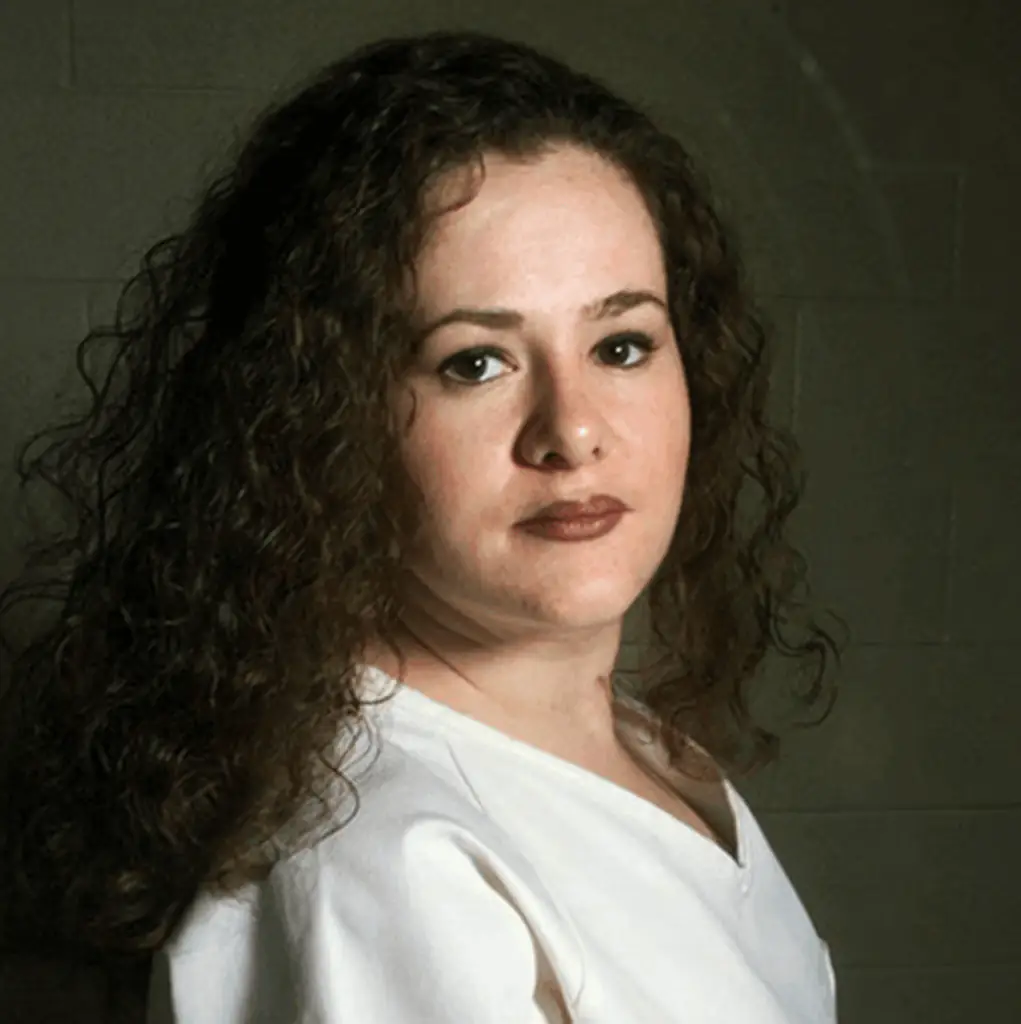
After Christa Pike survived two lethal injections during her scheduled execution on Wednesday, questions have been raised about what goes on inside the body when pentobarbital is administered by officials.
The 50-year-old was due to become the first woman in over 200 years to be executed in Tennessee, but the procedure ultimately failed, with witnesses inside the execution chamber reportedly saying Pike continued breathing and was "snoring loudly" for as long as 40 minutes after she was given the supposedly lethal injections.
She was subsequently taken to hospital, where the latest update indicated that she remained alive following the failed execution.
What goes on inside the body when the lethal injection is administered by authorities?
The lethal injection is intended to provide a controlled way of carrying out a death sentence, but there have been numerous cases in which problems with the procedure have resulted in prolonged executions and serious physical complications.
According to medical expert Dr Jonathan Groner, the sedative used in Tennessee executions can be less effective when it does not successfully enter the bloodstream, with doctor explaining that it is "less effective" if it leaks out of the vein or if the IV line does not properly enter a blood vessel.
In those circumstances, "the drug will end up under the skin instead of in the circulation", meaning it cannot work in the way it is intended to.
When administered correctly, it is thought that the drug should cause a person to stop breathing and die within around 15 to 20 minutes.
The question of whether the process causes pain can also depend on whether the injection is administered properly, with Groner claiming discomfort is "unlikely" when the procedure is carried out correctly, but "highly likely if administered improperly".
Those comments take on particular significance following concerns raised about Pike's execution method before she was taken to the death chamber.
The state comes under criticism for execution

Deputy Director of Reprieve US, Matt Wells, had warned that Pike could be at risk of experiencing a prolonged and painful death due to her medical conditions before the execution.
Speaking to UNILAD in July, Wells pointed to the case of Tony Carruthers, whose execution attempt was abandoned earlier this year after medical staff struggled to establish the necessary IV access.
He stated: "Two months ago, Tony Carruthers was strapped to a gurney for over an hour while prison staff stabbed him with needles more than a dozen times as they failed to establish an IV line."
"This is not an isolated incident," Wells continued. "Our research showed that more than a quarter of botched lethal injections in the modern era lasted over an hour."
Wells also criticized Tennessee for continuing with the method following Carruthers' failed execution attempt.
"The fact that Tennessee is doubling down on this broken execution method, so soon after torturing a man in the chamber, is beyond belief. There is a high risk that Christa Pike could suffer a prolonged and agonizing death."
In a public address, Tennessee Governor Bill Lee has since claimed that he has ordered "a comprehensive, third-party review to determine exactly what occurred.”
In response to the latest developments around Pike, the state's remaining scheduled executions for the year have been suspended.
The Tennessee Department of Correction has said it "followed every step of the State’s lawful, established execution protocol approved by the Attorney General’s Office".
The department also claimed that the lethal injection chemical used has "consistently been effective" and that its protocol does not allow for additional procedures beyond those already carried out, with Pike remaining alive in hospital while officials investigate exactly why the execution failed.