


Weird3 min(s) read
Six horrifying final words of 'radioactive man' who suffered one of the most excruciating deaths ever recorded

In September 1999, a nuclear plant worker suffered what has since been described as the most painful death of all time after a dangerous task went horribly wrong.
Workers at a nuclear fuel-processing plant in Tokaimura, Japan, accidentally poured too much uranium into a processing tank, causing an uncontrolled nuclear reaction, which eventually killed 35-year-old Hisashi Ouchi.
The extremely unfortunate worker Ouchi was the closest to the tank as it exploded, exposing hin to 17,000 millisieverts of radiation, the equivalent of 200,000 X-rays.
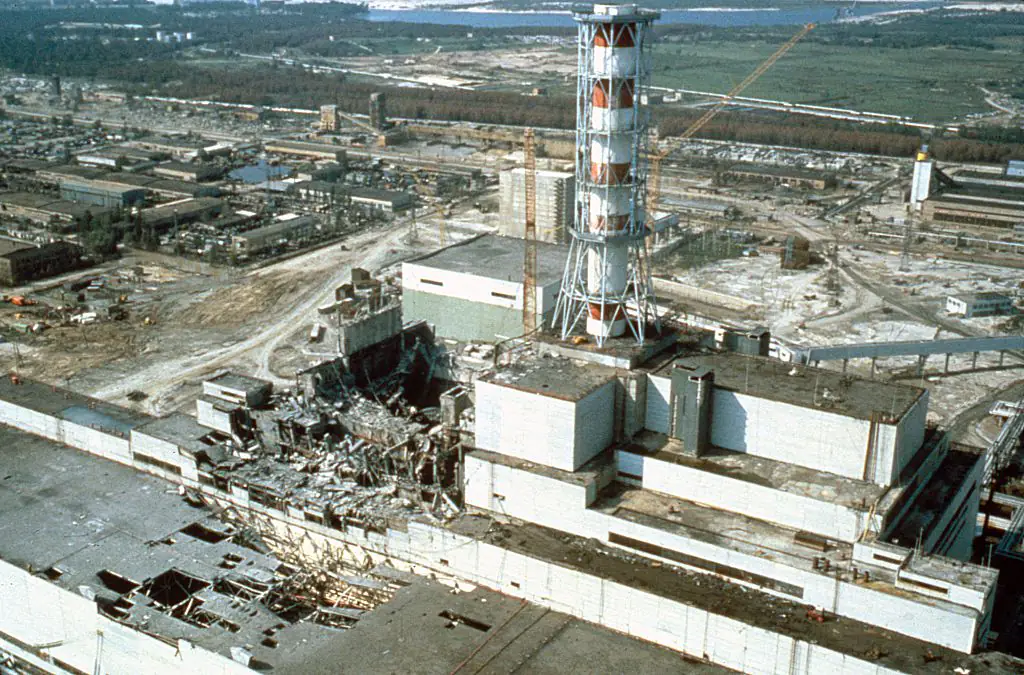
It was 140 times what people living in Chernobyl were exposed to following the 1986 disaster, and the highest dose ever recorded in human history at 850 times the safe annual dose for nuclear plant workers.
How did Ouchi survive?
Ouchi miraculously survived but fell violently ill and was left fighting for his life. He was rushed to the hospital, conscious but critically injured, where it was assumed he would die within a matter of days, but he did not.
Although he survived the accident, his white blood cell count had been completely stripped, leaving him with no immune system at all.
The nuclear plant worker was rushed to the University of Tokyo Hospital, where, over the course of 83 agonising days, they attempted a range of experimental treatments in a desperate effort to save him and find new ways to treat radiation exposure.
Why could doctors not save the nuclear plant worker?
Despite the radiation exposure not killing him instantly, it stopped Ouchi’s body from being able to heal and grow new cells, meaning that his skin peeled away, eyelids fell off, and blood vessels collapsed.
Doctors were forced to keep him on a ventilator as fluids continuously leaked from his exposed tissue and collected in his lungs.
This also caused his digestive system to shut down entirely, causing him intense pain and, despite endless surgeries, skin grafts, and stem cell transfusions, nothing allowed his body to heal.
Two months into his intense hospital stay, Ouchi’s heart stopped, and, although no treatments were helping him to recover, doctors resuscitated him.
Heartbreakingly, the very sick man was often conscious throughout this ordeal and more than aware of what was happening to his body.
Eventually, Ouchi begged the staff to stop trying to save him, muttering a short chilling sentence, “I can’t take it anymore. I am not a guinea pig.”
The nuclear plant worker finally died nearly three months after the tragic accident on December 21, 1999. His official cause of death was listed as multiple organ failure.
In April 2000, just four months after Ouchi’s death, his worker Shinohara died from multiple organ failure too.