


World3 min(s) read
Man who left a can of Diet Coke after illegally visiting the world’s most isolated tribe only got caught because of a separate mistake
.webp_SmgFsc?tr=cr-292.0.1244.952,f-webp,q-70,w-100)
A 24-year-old native of Scottsdale, Arizona, set out in the middle of the night on an inflatable dinghy across the Bay of Bengal.
The young man, Mykhailo Polyakov, was carrying a camera, a mirror, a whistle, a coconut, and a can of Diet Coke. His destination was North Sentinel Island, a protected piece of land in the Andaman archipelago governed by India.
The island is home to the Sentinelese, an isolated hunter-gatherer tribe believed to number about 100 people who have consistently rejected contact with the outside world.
Polyakov, who studied finance, wanted to capture the first high-definition footage of the tribe. Indian authorities strictly prohibit anyone from traveling within 3 miles of the island, regularly patrolling the waters to enforce the boundary and protect both visitors and the tribe.
In 2018, an American missionary was killed by arrows during an unauthorized visit, and two Indian fishers died in 2006 when their boat drifted ashore. Despite these warnings, Polyakov believed the risks were overstated and felt a strong pull to record the tribe on video.
When Polyakov reached the island in March 2025, his attempt to initiate contact failed. He walked on the beach for several minutes, blowing a whistle to draw out community members, but no one appeared.
He returned to his boat, tossed the Diet Coke can toward the shore as a symbol of modernity, and departed. He successfully made it back to his hotel room without being intercepted on the water, seemingly evading local security forces.

A forgotten memory card leads to arrest
His escape was undone by a sequence of errors after he got back to land. Local authorities had already been alerted to the presence of an unauthorized inflatable dinghy operating in open waters and began searching for the operator.
Polyakov managed to return to his accommodation undetected, but he made a critical error before leaving the area: he forgot to remove the memory card from his video recorder.
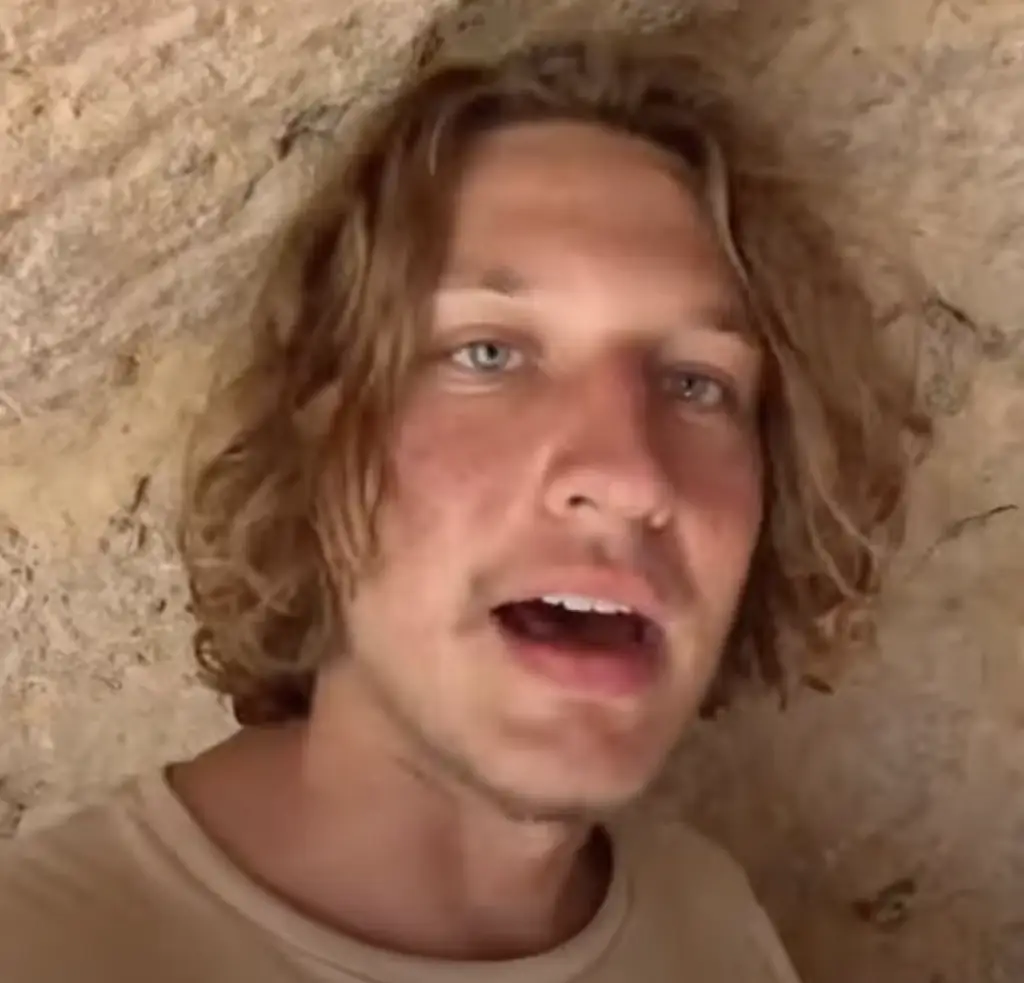
When law enforcement tracked him down, the memory card provided undeniable evidence of his journey. The recorded footage showed him speaking directly to the camera on the water, explicitly stating his location at North Sentinel Island.
Faced with the recorded evidence, Polyakov was charged under two separate laws. He pleaded guilty, receiving a sentence of 25 days in prison alongside a fine of approximately 120 British pounds.
Rising concern over internet content creators
Advocates and human rights organizations view Polyakov's expedition as part of a wider, troubling trend. Groups like Survival International monitor online platforms for content creators attempting to access remote or uncontacted Indigenous communities.
Representatives from these organizations point out that isolated groups face severe vulnerability to common illnesses, as they lack immunity to modern diseases.
Despite widespread public criticism and accusations of recklessness, Polyakov defended his actions after releasing his footage online. He argued that his vaccinations minimized health risks to the tribe and asserted that his project served the public interest by bringing information to light.
He remains active online, planning future media projects while rejecting claims that his actions put the island inhabitants in danger.