


World3 min(s) read
Child under the age of 12 has died by euthanasia after major law change

A Dutch government minister has recently revealed that a child under the age of 12 was euthanised last year, making them the first known case since the Netherlands expanded its assisted dying laws to include younger children.
Until recently, Dutch legislation only allowed euthanasia for newborn babies under specific circumstances and for individuals aged 12 and older.
However, in 2024, the rules were amended to permit euthanasia for terminally ill children under 12 who are experiencing unbearable suffering with no realistic prospect of improvement, allowing them the option to "die with dignity."
At the time, officials stressed that the law would apply only in exceptionally rare cases.
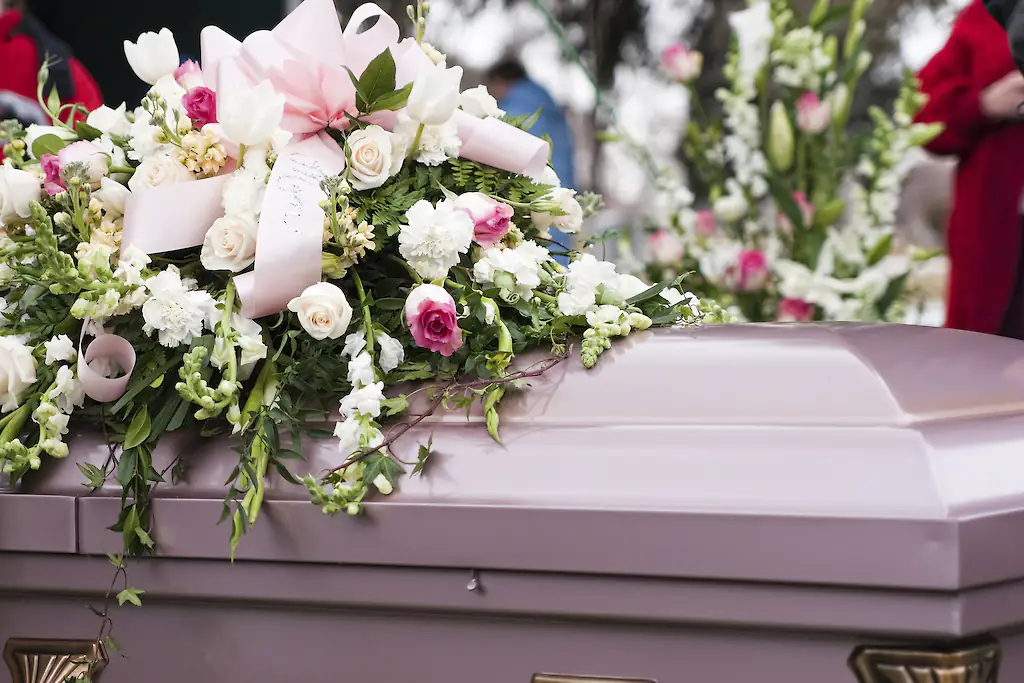
12-year-old dies by euthanasia
.jpg_MvNIPx?tr=cr-0.0.2124.1412,f-webp,q-70,w-1024)
Now, according to reports, Dutch Health Minister Sophie Hermans informed parliament that the first case under the revised legislation had taken place involving a "gravely ill" child.
No further information was released about the child's identity, age, gender or medical condition. Authorities only confirmed that the euthanasia had occurred.
Under Dutch law, doctors must demonstrate that there is no reasonable or humane alternative available before euthanasia can be approved. The requirements are particularly strict when children are involved, with multiple safeguards designed to ensure the decision is only made in the most extreme circumstances.
The Netherlands first legalised euthanasia in 2002 under strict conditions. Since then, the framework has gradually expanded while maintaining rigorous oversight.
Young people aged 16 and 17 can request euthanasia with parental involvement, while children aged 12 to 15 require parental consent. The younger the patient, the more stringent the review process becomes.
Cases involving children remain extremely uncommon and are only considered when severe suffering cannot be relieved by any other medical treatment.
Discussion over euthanised woman
One of the most widely discussed euthanasia cases in recent years involved Dutch woman Zoraya ter Beek, who underwent the procedure in 2024 at the age of 29.
Speaking publicly about her decision, ter Beek explained that the process took years and involved exhausting every available treatment option before euthanasia was approved.
Reflecting on the decision, she said: "In the three and a half years this has taken, I've never hesitated about my decision."
She acknowledged the emotional impact on those around her, adding: "I have felt guilt – I have a partner, family, friends and I'm not blind to their pain. And I've felt scared. But I'm absolutely determined to go through with it."
Ter Beek also described the repeated checks carried out by medical professionals, explaining: "Every doctor at every stage says: 'Are you sure? You can stop at any point'."
She emphasised that the approval process was extensive, saying the system was "really safe" and involved numerous assessments to ensure patients were mentally capable of making the decision and had no viable alternatives remaining.
The newly reported case involving a child under 12 highlights how rarely the expanded Dutch law is expected to be used, with officials maintaining that it applies only to the most serious and exceptional medical situations.
.webp_lli6Ty?tr=cr-74.9.445.380,f-webp,q-70,w-100)



.webp_QQJmGo?tr=cr-345.0.1535.1190,f-webp,q-70,w-100)

.jpg_I4Ebof?tr=cr-0.338.2730.3068,f-webp,q-70,w-100)

.webp_lli6Ty?tr=cr-74.9.445.380,f-webp,q-70,w-1024)


.webp_QQJmGo?tr=cr-345.0.1535.1190,f-webp,q-70,w-1024)

.jpg_I4Ebof?tr=cr-0.338.2730.3068,f-webp,q-70,w-1024)