


World3 min(s) read
Elon Musk has made a horrifying prediction about the end of the world - 'just months left’
.webp_QQJmGo?tr=cr-345.0.1535.1190,f-webp,q-70,w-100)
Elon Musk has just issued a startling prediction about the future of artificial intelligence (AI), suggesting that humanity could face a technological crisis unless AI infrastructure shifts off-planet.
Speaking on a recent podcast, cited by the Express, the tech mogul warned that Earth’s power systems are rapidly reaching their limits and could be unable to sustain the explosive growth of AI in the coming years.
Musk believes that the solution to this dilemma lies beyond our planet, with space offering the key to unlocking AI's full potential.
The Earth-Based Power Dilemma
Musk has been vocal about the limitations of Earth-based power systems, claiming that they simply can’t keep up with the energy demands that will be required to fuel the development of AI.
"My prediction is that by far the cheapest place to put AI will be space in 36 months or less, maybe 30 months,” Musk stated confidently. “Less than 36 months, mark my words.”
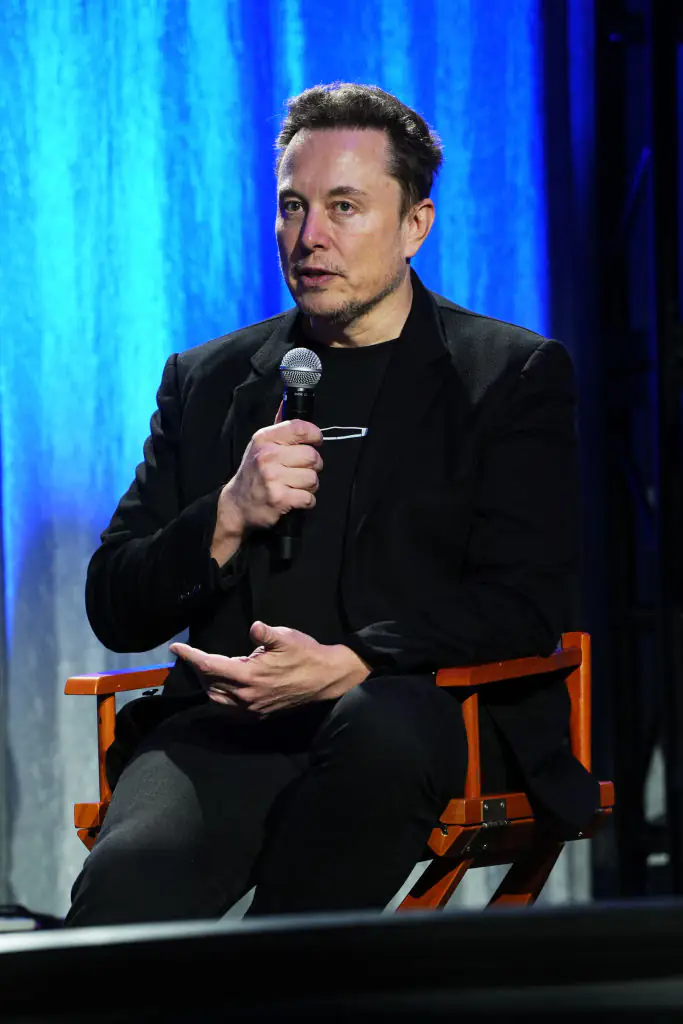
He explained that the bottleneck for AI development is energy – specifically, the ability to generate enough power.
While many in the AI development community focus on software advancements, Musk believes that the real obstacle lies in hardware, particularly the challenge of supplying adequate electricity.
The Strain on Earth’s Energy Resources
Musk further emphasized how challenging it would be to scale power generation on Earth. “All of the United States currently uses only about half a terawatt of power on average,” he said.
“Imagine trying to build enough power plants to double that. People don’t realise how hard that actually is.”
In Musk's view, Earth's energy infrastructure simply cannot support the growing demands of AI. The rapid pace of technological development requires an immense amount of power, and scaling up Earth's existing systems to meet that need would be a monumental task.
Space: The Ultimate Energy Solution
While Earth’s energy capabilities may be limited, Musk sees space as the ultimate solution. Unlike our planet, space offers near-unlimited energy resources.
According to Musk, solar panels in orbit are far more efficient than those on Earth, generating about five times as much power due to constant sunlight and the absence of atmospheric interference.
"Solar cells are already very cheap, around 25 to 30 cents a watt in China,” Musk pointed out. “Put them in space and it’s effectively ten times cheaper because you don’t need batteries."
This shift in perspective could radically change the economics of energy generation, making space the ideal place to support AI infrastructure. With the added benefit of eliminating the need for expensive battery storage, the case for space-based energy becomes even stronger.
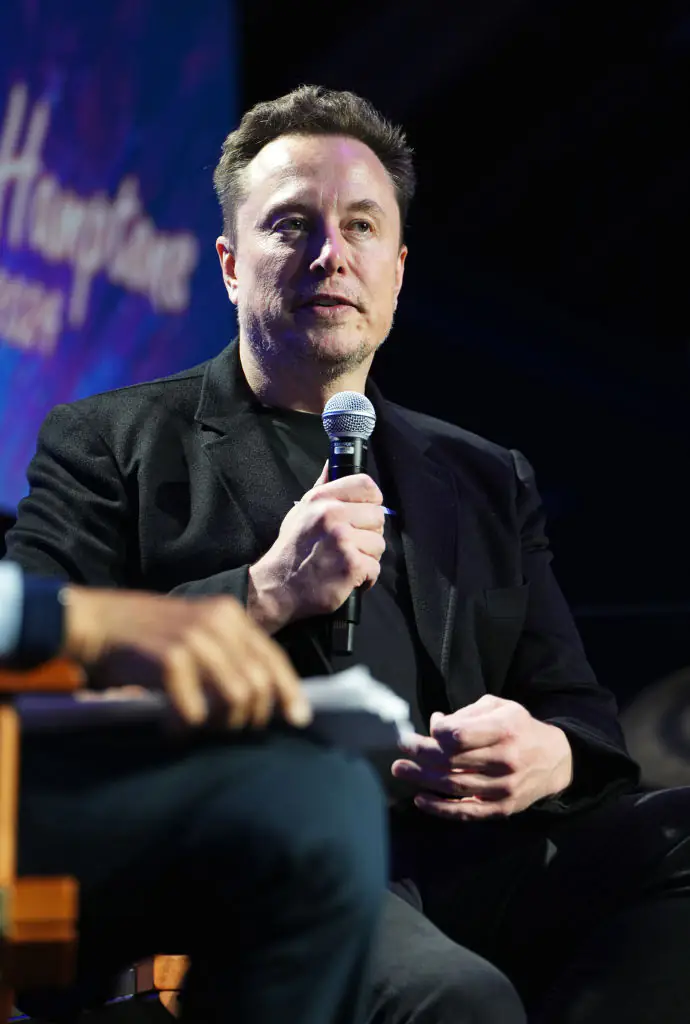
Humanity’s Technological Future in Space
Musk framed the entire conversation as a question of humanity's long-term survival and technological progress.
He stressed that the inability to scale energy production quickly enough on Earth could lead to a technological dead end.
“You start thinking in terms of what percentage of the sun’s power you’re harnessing,” Musk said. “Then you realise you have to go to space. You can’t scale very much on Earth.”
In one of his boldest statements, Musk predicted that the future of AI development will look drastically different in just a few short years.
“We will be launching and operating more AI in space every year than the cumulative total on Earth,” he said. Musk’s assertion suggests that the most significant advancements in AI will soon occur off-planet, forever changing the landscape of technology and innovation.