


World5 min(s) read
Fatal mistake almost everyone would make in the first minutes of a nuclear attack as WW3 fears grow
.webp_lli6Ty?tr=cr-74.9.445.380,f-webp,q-70,w-100)
The devastating mistake most people would make in the event of a nuclear attack, which would likely cost them their lives, has been revealed.
Fears of World War 3 have been growing in recent months, following escalation of several conflicts around the world, especially following the US and Israel's strikes on Iran, killing the country's Supreme Leader Ayatollah Ali Khamenei.
While everyone is hoping that a full-scale world war never happens again, it doesn't hurt to have an idea of what to do if the worst were ever to happen.
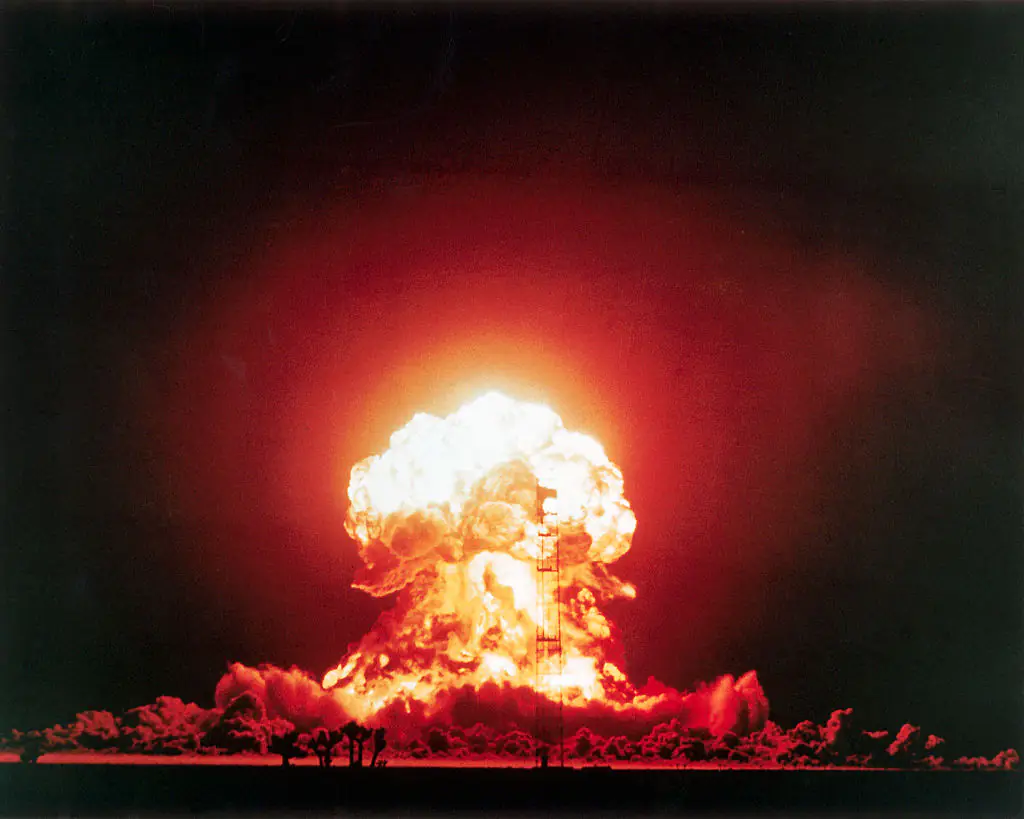
What would happen in the event of a nuclear attack?
Well, things would be pretty devastating for people within the initial blast radius and the fireball that would emanate, with the average megaton-yield modern nuclear weapon able to vaporize everything within a three-mile radius.
For those who are nearby, the first thing they would notice is a blinding flash of light, and anyone within 10 miles of the blast, looking in the direction of the impact, would experience temporary blindness that could last for minutes - or worse, cause long-term blindness.
Those who were still able to see after that life-changing millisecond after detonation would witness a mushroom cloud escalating at over 100MPH, giving them just seconds to make a decision that could be the difference between life and death.
What fatal mistake would people make in a nuclear blast?
Most people's first instinct would be to try and get as far away from the blast as possible, so you might try and jump in your car and drive in the opposite direction from the rising radioactive cloud.
This is possibly the worst decision you can make, as it can very easily be the thing that kills you.
Firstly, because the nuclear weapon releases an electromagnetic pulse (EMP) after detonation that will damage most electronics, including your car's spark plugs.
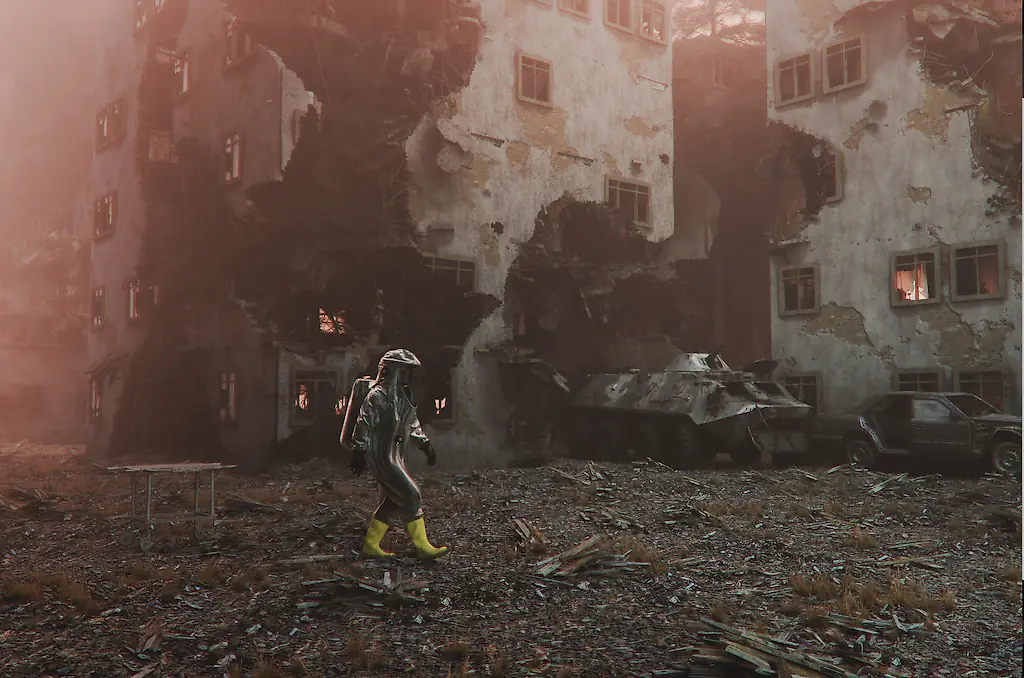
An EMP Commission report states that if you're already on the road, two out of every three cars will experience some kind of mechanical fault, with 10 percent having serious issues such as the engine stalling, which could cause many car accidents to happen.
As well as the mechanical issues, there will also be a blast wave coming within seconds to minutes after the explosion, which could be devastating to experience while in a car.
Brooke Buddemeier, a health physicist and radiation expert at Lawrence Livermore National Laboratory, explained to Business Insider in 2017: "Don’t get in your car. Don’t try to drive, and don’t assume that the glass and metal of a vehicle can protect you."
Being outdoors in the wake of a nuclear attack would also be unwise, as anyone within a certain radius would suffer severe third-degree burns from the immediate thermal radiation of the blast, causing the top layers of skin to pretty much fall off your body as the connective tissue beneath becomes fried.
An average-yield nuke would shatter all glass for at least 12 miles around, meaning the car's windshield and windows would all smash, leaving you with the danger of broken glass as well as exposed to all of the deadly radioactive particles which are invisible to the human eye.
Buddemeier explained: "The fireball from a 10-kiloton explosion is so hot, it actually shoots up into the atmosphere at over 100 miles per hour. These fission products mix in with the dirt and debris that’s drawn up into the atmosphere from the fireball."
What should you do to give yourself the best chance of surviving a nuclear explosion?
Rather than trying to flee by car, Buddemeier says your best bet is to stay inside until the situation gets safer.
He cited the motto "go in, stay in, tune in," advising that it's best to immediately get to shelter when you see the flash of light, as you only have between seconds and minutes until the blast wave comes.
You will need to find a "robust structure" to shelter within that can not only withstand the blast but also be sealed against the deadly gamma and other radiation emanating from the nuclear explosion.
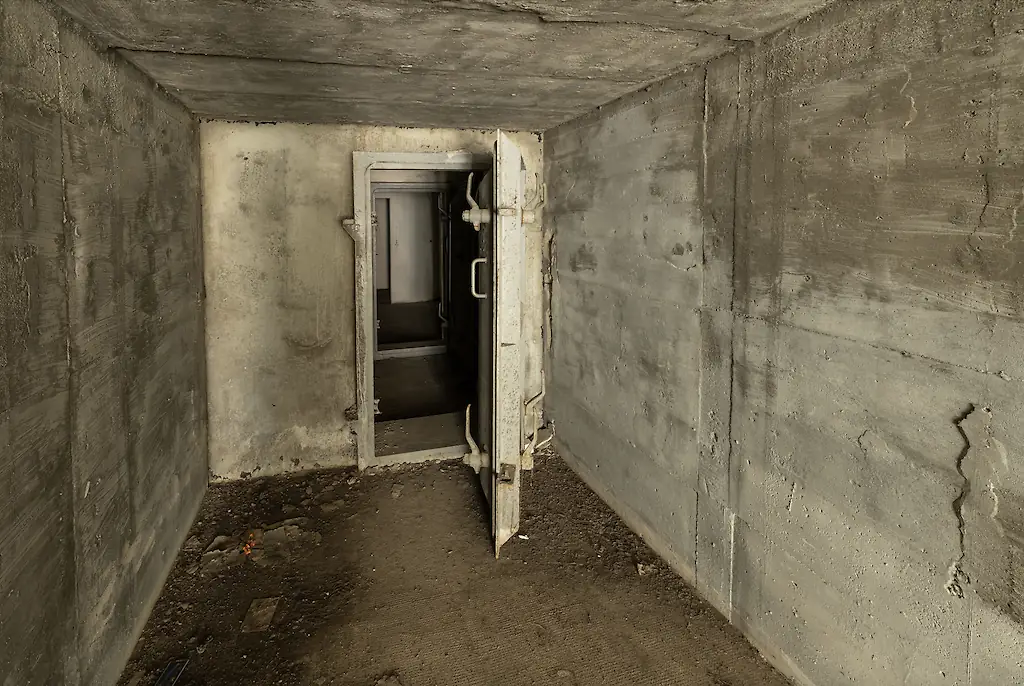
"We’re talking about are things like salt- or sand-size particles,” Buddemeier explained. “It’s the penetrating gamma radiation coming off of those particles that’s the hazard.”
He advises that you stay inside for up to 48 hours after the blast, as the longer you can hide, the lower the levels of radiation will be as the radioactive isotopes decay.
It's also crucial to seal off any ventilation that might expose your space to outside particles, and ensure you have some food and water to last you for two days.
"Get inside … and get to the center of that building. If you happen to have access to below-ground areas, getting below ground is great,” he advised, as basements have been shown to have greater protection from radiation.
One key thing to have to hand is a radio - ideally a wind-up kind - or other communication equipment to be able to "tune in" to any advice being broadcast over the airwaves to let you know what to do next.
Here's hoping that the need to use this advice never arises in reality.