


World3 min(s) read
Households instructed to keep one essential item on hand in case World War 3 breaks out

Households have been instructed to keep one essential item on hand in case World War 3 breaks out.
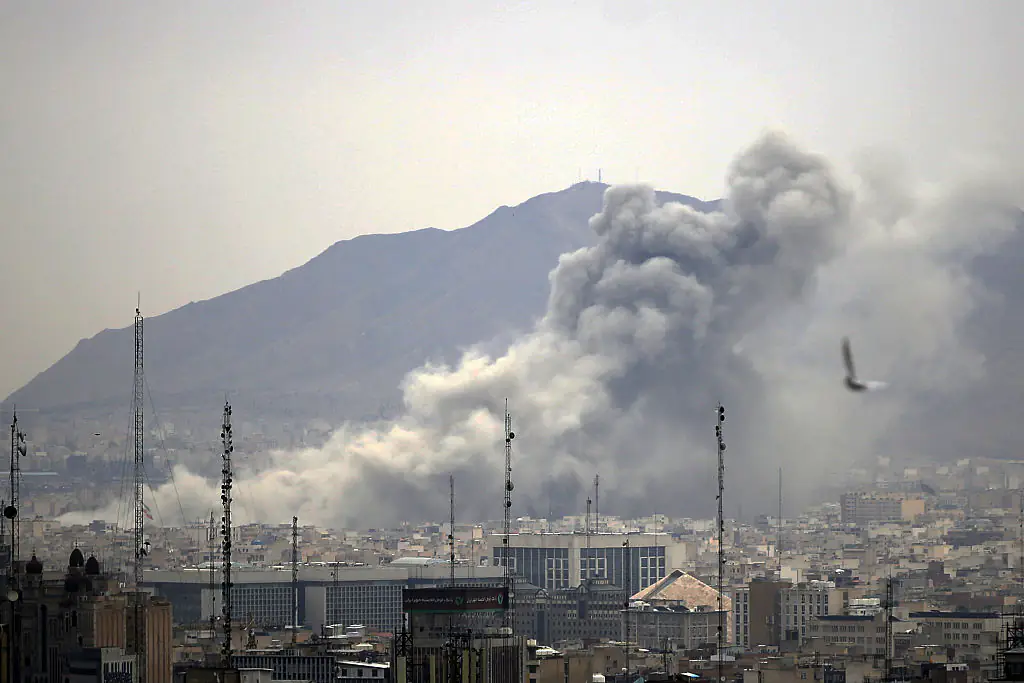
Fears of a global war began after US and Israeli forces carried out air strikes on Tehran on February 28, targeting the home of Iran’s former Supreme Leader Ayatollah Ali Khamenei. The blast killed Khamenei and several members of his family.
Since then, the countries have continued exchanging attacks, with Iran reportedly targeting retaliation at nations such as the United Arab Emirates and Kuwait due to their ties to the United States.
Amid the rising tensions, the British government has issued guidance urging families to prepare for major emergencies.
Government Advises Households to Prepare
Under the UK’s "Prepare" campaign, officials have outlined steps citizens can take to cope during crises such as extreme weather, infrastructure failures, or wartime disruption.
One item the government recommends households keep at home is a wind-up radio, which can still function if electricity and internet services fail.
"There might be updates communicated by radio during a power cut," the UK government says. "A car radio can be used, however in severe weather it might be safer to stay inside. Write down on paper the frequencies of any local or national radio stations you use for news updates.”
Officials also encourage people to buy other manually powered items, such as a wind-up torch, which can provide light during extended power cuts.

Prime Minister Keir Starmer said in a statement that nuclear risks remain a growing concern.
"The threat to the UK and our allies from nuclear weapons is once again growing," he said. "Tackling this challenge is likely to be more complex than it was even in the Cold War, with more states with more nuclear weapons, the further proliferation of nuclear and disruptive technology, and the failure of international arms control arrangements to keep pace."
Iran’s New Leader Vows Retaliation
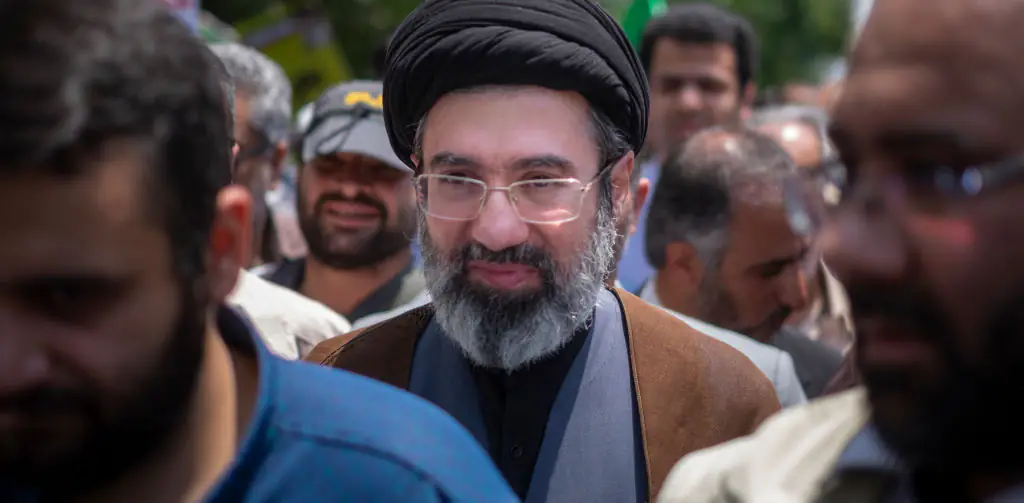
Iran’s newly appointed Supreme Leader, Mojtaba Khamenei, issued a warning following the deaths caused by the earlier strikes.
In a statement broadcast on Iranian state television, he promised that Iran would continue its response.
"I assure everyone that we will not refrain from avenging the blood of your martyrs," he said. "The retaliation we have in mind is not limited only to the martyrdom of the great leader of the revolution [Ayatollah Ali Khamenei]; rather, every member of the nation who is martyred by the enemy constitutes a separate case in the file of revenge."
He continued: “A limited portion of this retaliation has already taken tangible form, but until it is fully achieved, this file will remain open above other cases. We will be especially sensitive regarding the blood of our children."
Khamenei also warned that Iran could use control of the Strait of Hormuz as leverage during the conflict: "The lever of closing the Strait of Hormuz must certainly continue to be used as well.
"Studies have also been conducted on opening other fronts in which the enemy has little experience and would be highly vulnerable. Their activation will take place, if the wartime situation continues and in accordance with considerations of expediency," he added.