


World4 min(s) read
Harrowing image released as second baby graveyard found at home where 796 infants were believed to be dumped in septic tank
.webp_QQJmGo?tr=cr-345.0.1535.1190,f-webp,q-70,w-100)
Shocking discoveries continue to emerge from the grounds of one of Ireland’s darkest institutions — a former mother-and-baby home in Tuam, County Galway — as excavators confirm a burial site with infant remains.
The site, long shrouded in mystery and controversy, is now yielding grim physical proof of the horrors suspected for years, per BBC News.
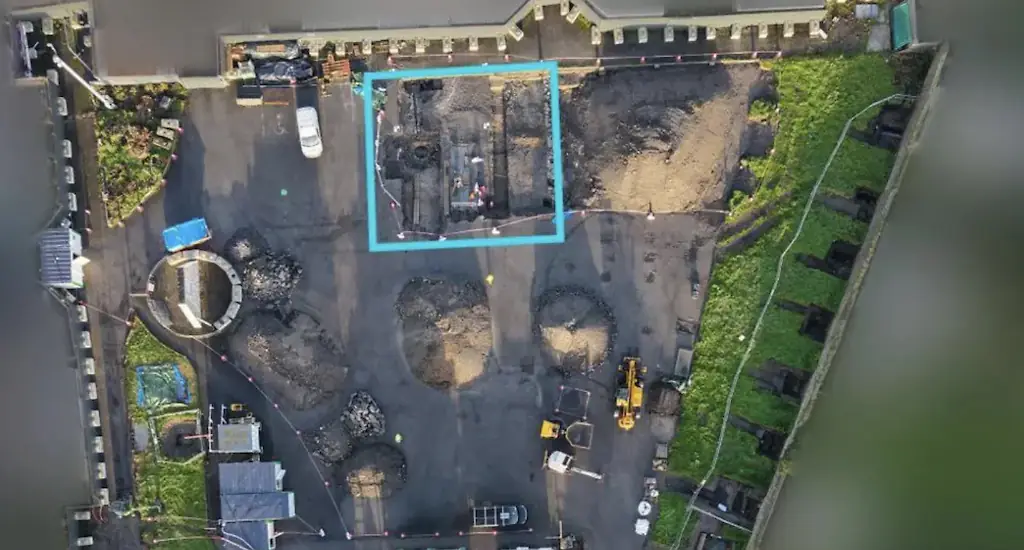
A new phase of excavation launched in July 2023 by the Office of the Director of Authorised Intervention, Tuam (ODAIT) has uncovered infant-sized graves under a tent on the western edge of the former institution's grounds.
The area, roughly 100 meters from a previously investigated septic tank where 769 infants were believed to have been dumped, had shown “no surface or ground level indications of the possibility of a burial ground” prior to this summer’s work, according to an ODAIT statement.
Yet, what was found has confirmed some of the worst fears.
The Evidence Beneath the Surface
The most recent update from ODAIT revealed eleven infant remains, all found in coffins.
Initial assessments indicate they are from the time the institution operated — between 1925 and 1961.
The excavation, conducted both by machine and hand, corresponds with areas once labeled as burial grounds on historical maps.
Daniel MacSweeney, Director of ODAIT and a veteran of the International Committee of the Red Cross, called the discovery “very important,” and revealed that “160 people had made contact with a view to giving DNA samples to help identify the bodies.”
He added: “I know from experience that sometimes the discovery of remains can be a catalyst for people to come forward.”
More DNA donors are being encouraged to step forward, as further forensic testing is ongoing.
The remains have been sent for detailed analysis, and the operation is expected to continue through 2027, with follow-up work lasting even longer.
‘The Home’: A Haunting Legacy
Known locally as ‘The Home’, the Bon Secours Mother and Baby Home was one of several institutions where unmarried women and pregnant teens were sent to give birth in secret, often under societal and religious pressure.
Once there, these young mothers were separated from their newborns.
The children were raised by nuns before being adopted — often without the knowledge or consent of their mothers — and some were sent abroad to Australia, Canada, and the USA.
But not all survived.
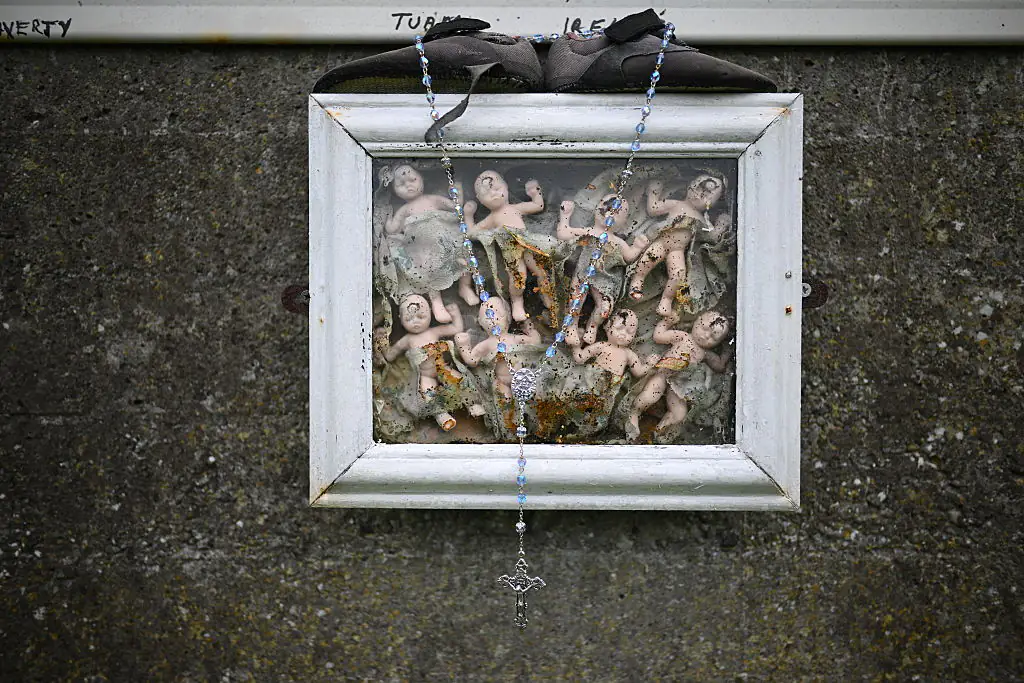
An estimated 800 children died in Tuam during the institution's operation.
Shockingly, only two were buried in a recognized cemetery.
Instead, the 2017 government inquiry found “significant quantities” of remains in underground chambers, and confirmed an “appalling level of infant mortality” across several such homes in Ireland.
That national investigation was spurred by the tireless work of local historian Catherine Corless, who unearthed 796 death certificates for children but no matching burial records, launching global scrutiny of the site.
Formal Apologies, Ongoing Grief
The revelations led to public outcry. In 2021, the Irish government issued a formal apology.
The Bon Secours Sisters, the religious order that ran the Tuam home, followed with their own, acknowledging that children and infants were “buried in a disrespectful and unacceptable way.”
They have since contributed £2.14 million toward the cost of the excavation.
Galway County Council, which owned the institution, also issued an apology for “failing mothers and children.”
Women who gave birth at the Home were forced to perform unpaid labor for up to a year after giving birth, part of a wider system of institutional control driven by Ireland's then-conservative moral and religious norms.
A National Scandal Still Unfolding
This latest round of excavation only adds to the haunting picture of life — and death — inside Ireland’s mother-and-baby homes.
As MacSweeney's team continues their forensic work, the site may yet reveal more of its secrets.
And for many families, the chance to finally uncover what happened to their lost relatives is becoming a reality.
The painful truth buried for decades is now surfacing — one grave at a time.