ADVERT
World2 min(s) read
Published 10:18 13 Jul 2026 GMT
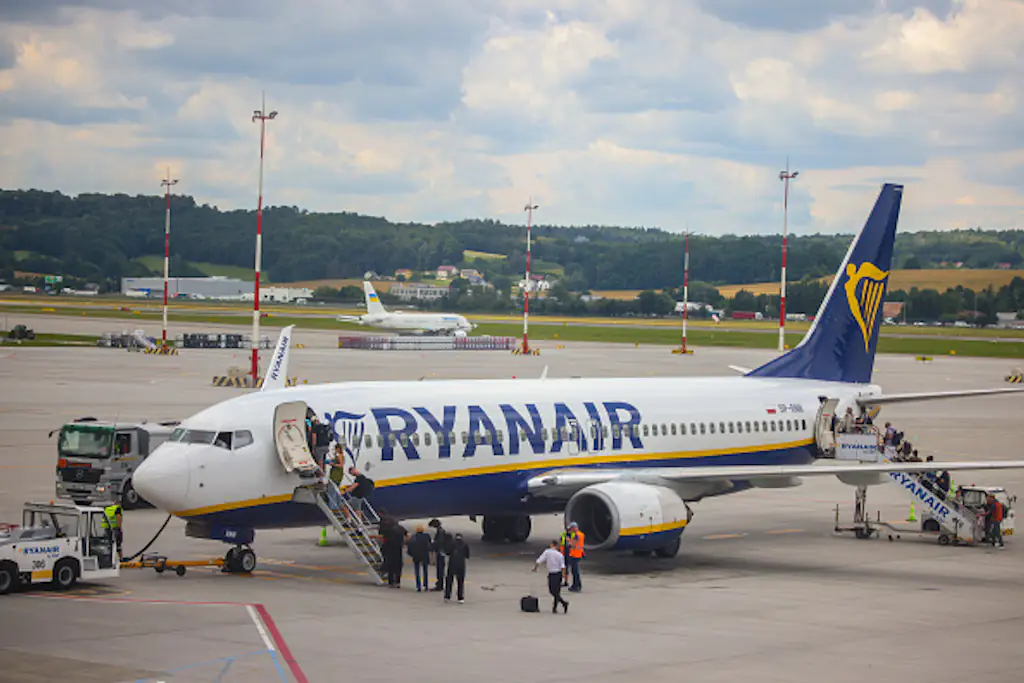
A Ryanair passenger narrowly avoided being pulled from a plane after a window reportedly shattered shortly after take-off, leaving fellow passengers scrambling to stop him from being pulled further outside.
The incident happened last Friday aboard a Boeing 737-800 that departed Thessaloniki, Greece, at around 5:55AM bound for Memmingen, Germany.
Fortunately, while his head and shoulders were outside the shattered window, the rest of his body remained secured in his seat by his seatbelt.
According to CNN Greece, the passenger, identified only as a 61-year-old Serbian man, remained strapped into his seat by his seatbelt as the window failed while the aircraft was climbing to approximately 20,000 feet.
One passenger told Radio Thessaloniki, via Agence France-Presse, that they first heard a loud bang.
"There was a noise like a tire bursting," they recalled.
Passengers later learned that part of the aircraft's engine had reportedly broken away and struck the window, causing it to shatter.
"We immediately realised there had been a decompression. There were screams … for a moment I thought someone had accidentally opened the emergency door," the passenger said.
They added: "The masks dropped and there was a strong smell. The head and shoulders of one passenger were outside the window. Fortunately, he hadn't taken off his seat belt."
According to Michalis Giannakos, president of the Panhellenic Federation of Public Hospital Employees, other passengers rushed to stop the man from being pulled further outside.
"His wife held him down for five minutes so he wouldn't get out," Giannakos said, according to Enikos.
"With the help of many passengers, they managed to pull him into the cabin."
The flight was forced to turn around and safely returned to Thessaloniki, where passengers were transferred onto another aircraft to continue their journey to Germany.
The injured passenger was reportedly treated for friction burns.
In a statement provided to The New York Post, a Ryanair spokesperson said: "A Ryanair flight from Thessaloniki to Memmingen on Friday morning (10 July) returned to Thessaloniki shortly after take-off when a passenger window dislodged inflight."
The airline added: "The aircraft landed normally and passengers returned to the terminal. One passenger requested and received medical assistance on the ground in Thessaloniki."
travel3 min(s) read
world3 min(s) read
Published 09:26 27 May 2023 GMT
us news2 min(s) read
Published 15:31 16 Aug 2024 GMT
weird1 min(s) read
us3 min(s) read
Published 07:17 26 May 2025 GMT
If you have a fear of flying, it may be best to avoid this pilot's terrifying story about the moment he found himself dangling out of an airplane window.
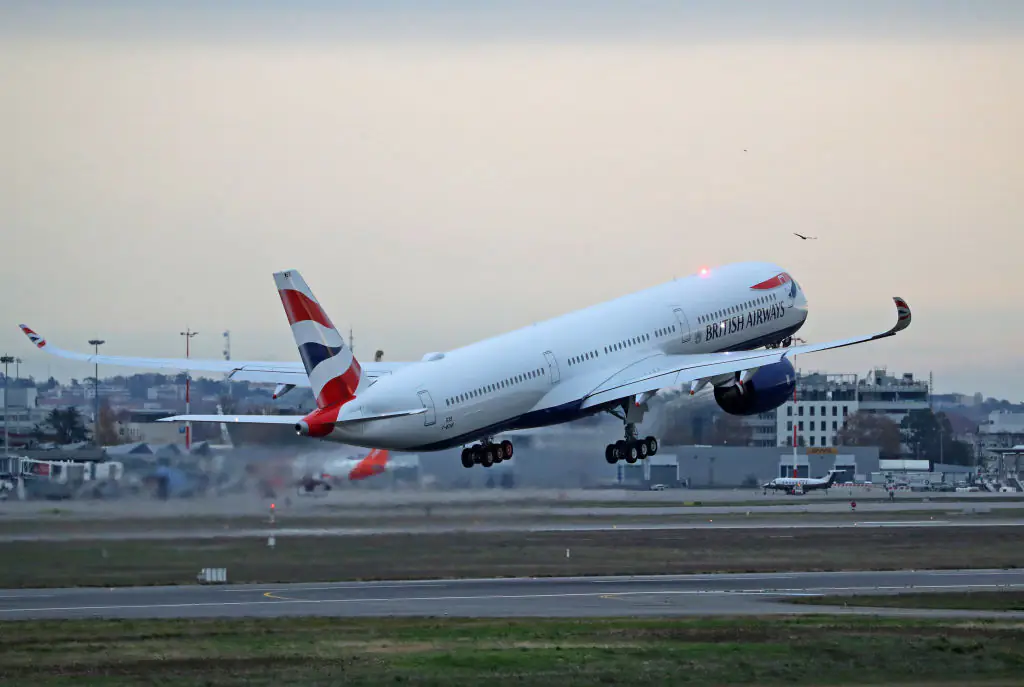
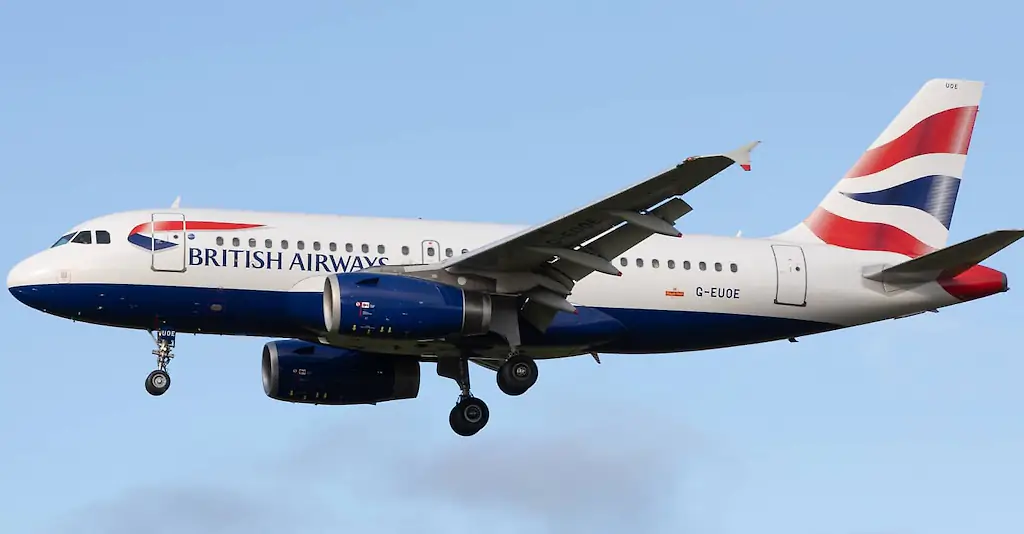
As reported by The Sun, the incident in question occurred on June 10, 1990 - just 27 minutes after a routine takeoff by British Airways flight 5390, which was traveling from Birmingham in the United Kingdom to Malaga in Spain with 81 passengers onboard.
Despite everything going as it should for the first part of the flight, the crew was faced with a potential disaster just as the plane was traveling over Oxfordshire. While cruising at a height of 23,000 feet, two of the six cockpit windows burst apart due to adverse air pressure effects.
The dramatic change in pressure saw Captain Tim Lancaster ripped from his seat and through one of the broken windows.
Despite the fact that a rush of air had blasted the cockpit door off its hinges, flight attendant Nigel Ogden was able to rush into the cockpit and grab the Lancaster's legs before he was sucked completely out of the plane.
Watch Lancaster and the crew recall the horrifying incident in the video below:
Another cabin crew member, John Heward, also grabbed the captain, and the two men held onto him for dear life while co-pilot Alistair Atchinson grappled with the controls and landed the plane at Southampton Airport - despite never flying to the airport before in his career.
Per News.com.au, Ogden later commented on the frightening experience in an interview with The Sydney Morning Herald, stating: "I whipped round and saw the front windscreen had disappeared and Tim, the pilot, was going out through it. He had been sucked out of his seatbelt and all I could see were his legs."
Ogden continued: "I jumped over the control column and grabbed him round his waist to avoid him going out completely. His shirt had been pulled off his back and his body was bent upwards, doubled over round the top of the aircraft.
"His legs were jammed forward, disconnecting the autopilot, and the flight door was resting on the controls, sending the plane hurtling down at nearly 650 kilometers per hour through some of the most congested skies in the world."
Ogden added: "I was still holding Tim, but my arms were getting weaker, and then he slipped. I thought I was going to lose him, but he ended up bent in a U-shape around the windows."
The crew recalled how Lancaster's face was banging against the window, with blood coming out of his nose and the side of his head. The captain's eyes were also wide open, a sight that Ogden says he'll "never forget".
While communicating with air traffic control, Atchinson recalled believing his co-pilot had surely died as a result of the incident.
Half of Lancaster's body remained outside of the plane for around 20 minutes.
Per News.com.au, Lancaster suffered several fractures and frostbite but lived to fly again. In fact, he continued to fly with BA until 2003, after which, he joined EasyJet for a further five years.
Ogden also left BA and went to work for the Salvation Army.
A report by the Air Accidents Investigation Branch later determined that a fitter had used the wrong bolts to secure the windscreen, which led to the accident.
Additionally, aviation experts told National Geographic that if the crew had let go of the captain's body, it could have struck the wing and caused damage that could have resulted in devastating consequences.
Footage shared on social media showed the terrifying moment after a passenger opened an emergency exit door shortly before a plane landed.
On Friday (May 26), the Asiana Airlines Airbus A321 was about to land in Daegu, South Korea, when a man pulled the emergency exit handle at an altitude of about 700 feet, as reported by CNN.
The plane was flying from the island of Jeju and was reportedly two to three minutes from landing in the city when a suspect - alleged to be a man - extended the door partially.
This led to frightened fliers on board trying to stop the person, however, their efforts were in vain after the unlocked door sent air whipping throughout the cabin. Videos shared online show them gripping their armrests before the plane safely landed.
Watch the harrowing incident below:Among the 194 passengers onboard were several teenage athletes who were on their way to a weekend sporting event in the South Korean city of Ulsan.
According to Sky News, twelve people were taken to hospital for treatment as a result of the terrifying incident. Emergency officials said they suffered breathing problems and severe ear pain.
A passenger gave their account of the horrifying ordeal to Korean news outlet Yonhap News Agency and said: "It was chaos with people close to the door appearing to faint one by one and flight attendants calling out for doctors on board through broadcasting," adding, "I thought the plane was blowing up. I thought I was going to die like this."
The mother of one of the teenage athletes on board also revealed: "Children quivered and cried in panic. Those sitting near the exit must have been shocked the most."
The suspect, identified only as a man in his thirties, was arrested at Daegu International Airport and admitted to pulling the lever of the exit door, but would not reveal why he did it.
"It is difficult to have a normal conversation with him. We will investigate the motive of the crime and punish him," an officer told the publication.
Aviation expert Geoffrey Thomas of Airline Ratings reflected on the incident to CNN and described it as "very bizarre," saying: "Technically, it’s not possible to open those doors in flight."
Thomas stated that the landing speed of an A321 is about 150 knots (172 mph) which means that winds of that speed are passing the aircraft.
"It seems implausible that the door could be opened in the first place and then against the airstream technically impossible, but somehow or another it has happened," the aviation expert added.
Furthermore, Asiana Airlines also told the outlet: "The airplane is automatically set to adjust the pressure of the cabin according to the altitude of the aircraft. When the aircraft is high up in the air, it is impossible to open the door but when the altitude is low and close to landing, the door can be opened."
Published 12:51 17 Nov 2020 GMT
The incredible story of a pilot who was sucked out of the cockpit window of his plane has once again hit the headlines 30 years on.
Per The Sun, the incident in question occurred on June 10, 1990, 27 minutes into British Airways flight 5390, which was traveling from Birmingham in the United Kingdom to Malaga in Spain.
As the plane was traveling over Oxfordshire, two of the six cockpit windows burst apart due to adverse air pressure effects, ripping Captain Tim Lancaster out of his seat and through one of the broken windows as the aircraft cruised at a height of 23,000 feet.
Despite the fact that a rush of air had blasted the cockpit door off its hinges and knocked him to the ground, flight attendant Nigel Ogden was able to rush into the cockpit and grab the Lancaster's legs before he was dragged to his death.
Watch Lancaster and the crew recall the horrifying incident in the video below:
[[youtubewidget||https://www.youtube.com/watch?v=pNWJmCjiMWA]]
A second cabin crew member named John Heward also grabbed the captain, and the two men held onto him for dear life while co-pilot Alistair Atchinson wrestled with the controls and landed the plane in Southhampton airport.
Per News.com.au, Ogden later commented on the frightening experience in an interview with The Sydney Morning Herald, stating:
"I whipped round and saw the front windscreen had disappeared and Tim, the pilot, was going out through it. He had been sucked out of his seatbelt and all I could see were his legs."
[[youtubewidget||https://www.youtube.com/watch?v=9vbpdPo8c7k]]
Ogden continued: "I jumped over the control column and grabbed him round his waist to avoid him going out completely. His shirt had been pulled off his back and his body was bent upwards, doubled over round the top of the aircraft.
"His legs were jammed forward, disconnecting the autopilot, and the flight door was resting on the controls, sending the plane hurtling down at nearly 650 kilometers per hour through some of the most congested skies in the world."
Ogden added: "I was still holding Tim, but my arms were getting weaker, and then he slipped. I thought I was going to lose him, but he ended up bent in a U-shape around the windows."
For something just as weird, take a look at this video recorded by a pilot of a purported UFO:
[[jwplayerwidget||https://content.jwplatform.com/videos/lpA1gOZG-dkXnENEs.mp4||lpA1gOZG]]
Per News.com.au, Lancaster suffered several fractures and frostbite but lived to fly again, while Ogden left BA and went to work for the Salvation Army.
A report by the Air Accidents Investigation Branch later determined that a fitter had used the wrong bolts to secure the windscreen, which led to the accident.
Published 12:39 23 Nov 2024 GMT
A flight turned into a nightmare for one passenger as severe turbulence left him with a broken leg, enduring excruciating pain for over six hours until landing.
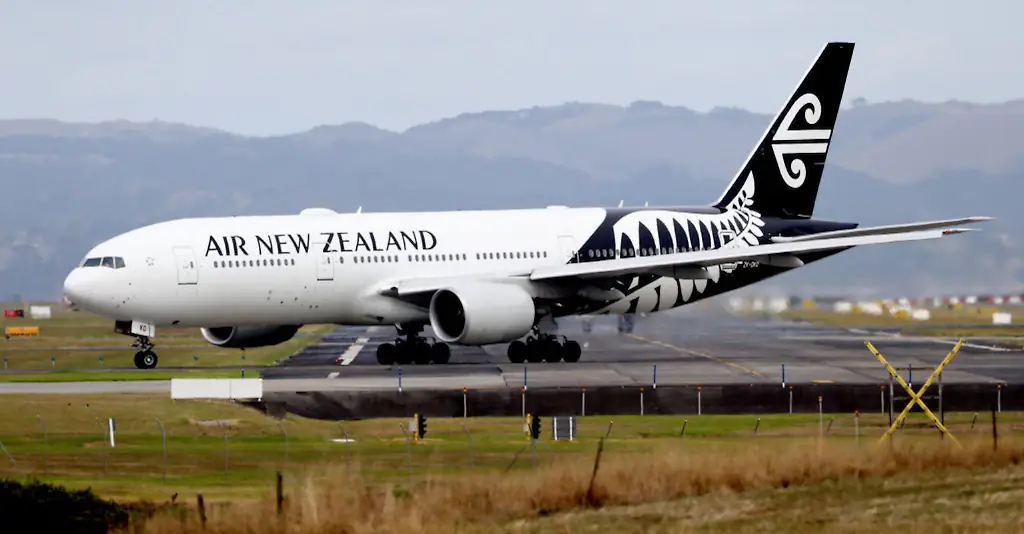
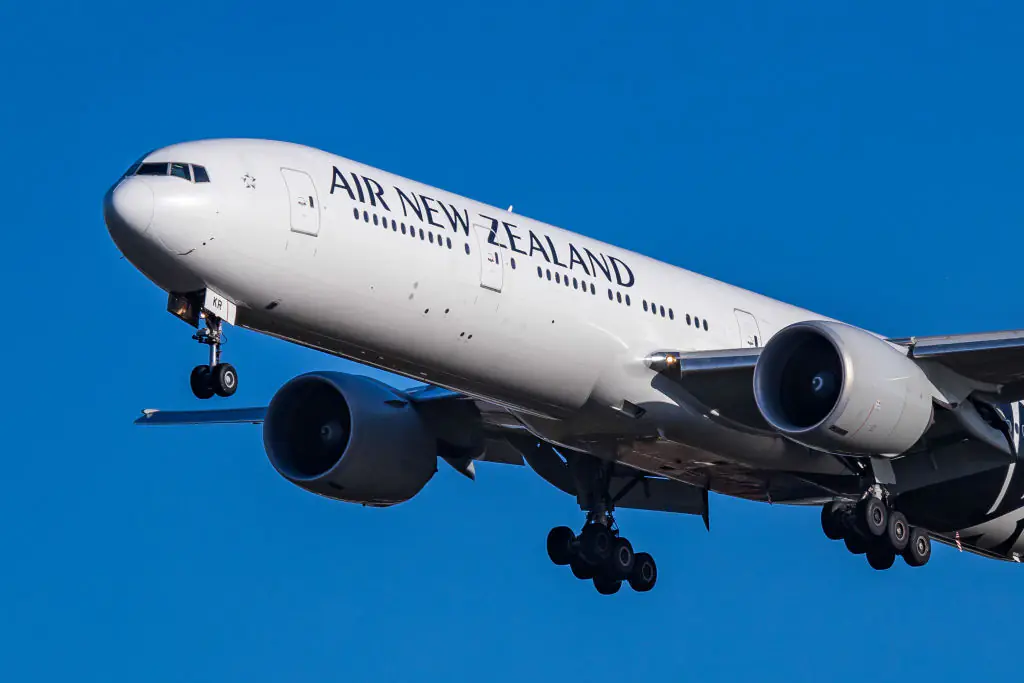
German-born Niko and his girlfriend Sasha embarked on a seven-hour journey from Bali to Auckland, New Zealand, in April, flying via Air New Zealand. However, just 30 minutes into the flight, as the plane hit turbulent air, tragedy struck.
Niko, walking back to his seat from the restroom, described the moment the plane "dropped," resulting in his leg "snapping in half." His friend informed The New Zealand Herald that the 47-year-old sustained a fractured tibia and fibula.
Despite apologies from the pilot, Niko was left to suffer until landing, with only Panadol (aka Tylenol or paracetamol) available to alleviate his pain. Passengers were asked to vacate their seats so Niko could lie down for the remainder of the flight.
After landing at Auckland's international terminal, paramedics swiftly attended to Niko. A spokesperson from Hato Hone St John confirmed the incident, stating they had responded to a turbulence-related injury.
Air New Zealand confirmed the occurrence, attributing it to sudden "clear air turbulence," which pilots cannot anticipate in cloudless areas.
Captain David Morgan, the airline's Chief Operational Integrity and Safety Officer, assured that no other injuries were reported, per News.com.au.
Turbulence, although nothing to worry about normally, has proven to be fatal before.
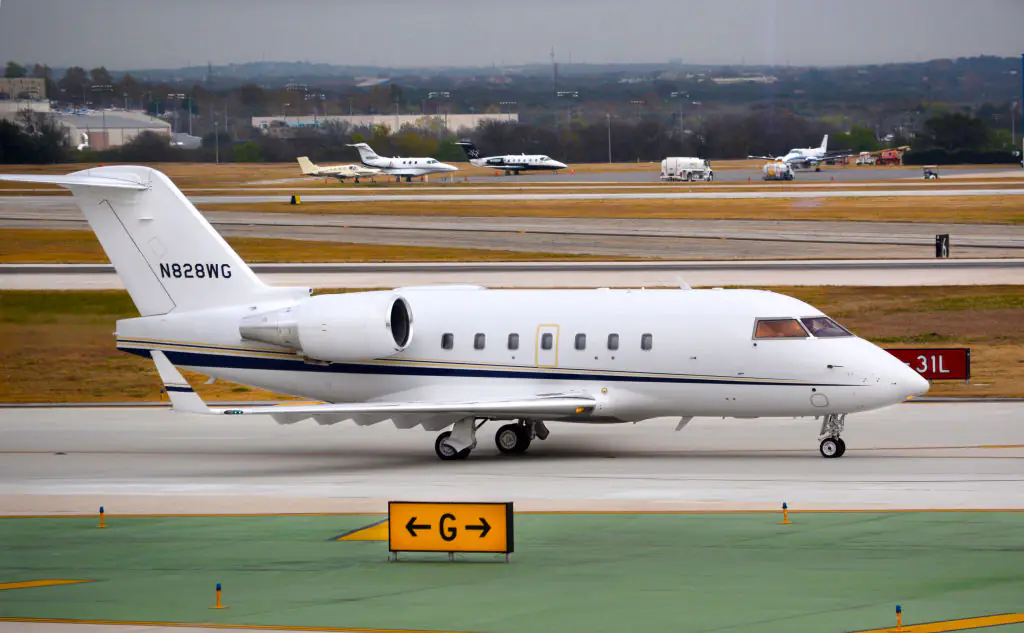
In March 2023, Dana J. Hyde, 55, who served in both the Clinton and Obama administrations, lost her life after a private business jet she was aboard encountered severe turbulence.
The private jet, owned by Conexon, a company specializing in expanding high-speed internet service to rural communities and led by Hyde's husband, Jonathan Chambers, was en route from Keene, New Hampshire, to Leesburg, Virginia, before diverting to Bradley International Airport.
According to flight data reported by The Daily Mail, the jet took off around 3:35 PM and quickly reached an altitude of 26,000 feet before encountering turbulence and landing approximately 10 minutes later.
Abby Carere, a spokesperson for Conexon, confirmed the ownership of the aircraft and Hyde's relationship with Chambers. Fortunately, Chambers and his son, also onboard, escaped injury.
Turbulence, though common, rarely results in injury or death. Pilots utilize technology to navigate away from stormy areas, activating seatbelt signs when necessary for passenger safety.
The Federal Aviation Authority recorded no deaths from turbulence between 2009 and 2020, with only 30 reported serious injuries.