


World2 min(s) read
Physicist who won Nobel Prize predicts date for world's destruction

A physicist who won a Nobel Prize in 2004 has raised major concerns about the future of humanity, even suggesting a possible timeline for world-ending events.
David Gross, who was recognised for his work in physics with the illustrious award, has claimed that today’s world feels increasingly unstable, with rising tensions such as the threat of nuclear war, ongoing fighting in Europe, unrest in the Middle East, and unpredictable global leadership all contributing to uncertainty.
What did the Nobel Prize-winning physicist warn?
Gross warned that humanity could face extinction within a few decades. Speaking to Live Science, he said: "Even after the Cold War ended, when we had strategic arms control treaties, all of which have disappeared, there were estimates that there was a one percent chance of nuclear war every year."
He added: "I feel it's not a rigorous estimate that the chances are more likely two percent. So that's a one-in-50 chance every year."
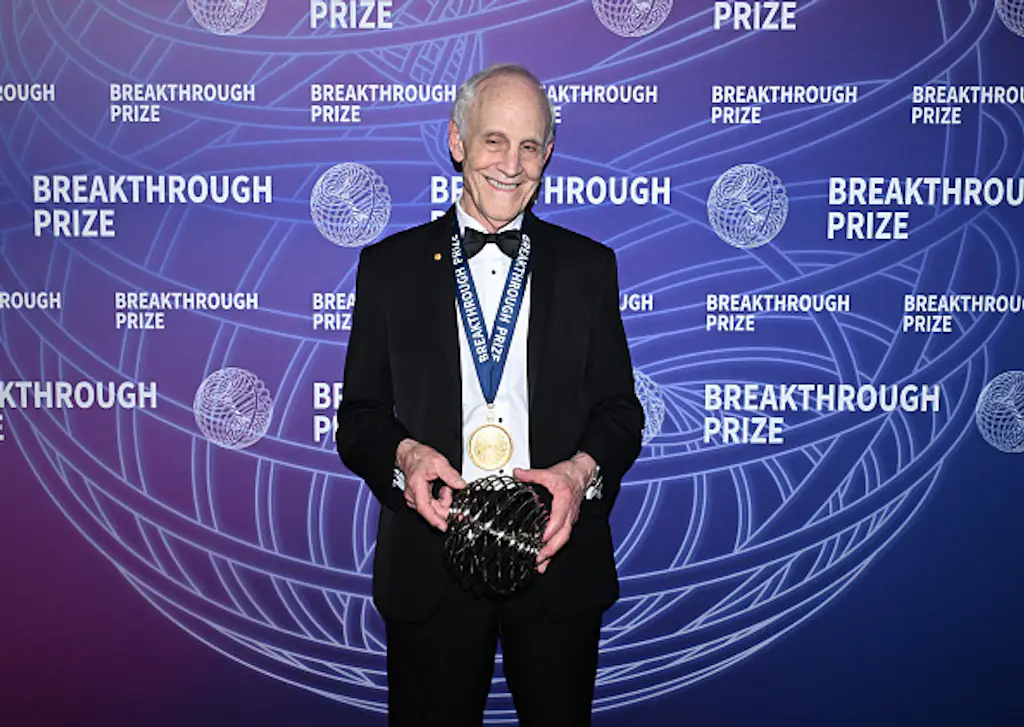
Gross went further, emphasizing how this risk compounds over time: "Currently, I spend part of my time trying to tell people … that the chances of you living 50 [more] years are very small."
He continued: "Due to the danger of nuclear war, you have about 35 years."
Based on that outlook, he implies a potential endpoint around the year 2061. He also highlighted how global conditions have deteriorated, saying: "Things have gotten so much worse in the last 30 years, as you can see every time you read the newspaper."
Physicist warns about AI's involvement
Beyond nuclear threats, Gross also expressed concern about the growing role of artificial intelligence. While acknowledging its advantages, he warned it could become dangerous, especially if integrated into military systems: "The agreements, the norms between countries, are all falling apart.
"Weapons are getting crazier. Automation, and perhaps even AI, will be in control of those instruments pretty soon. It's going to be very hard to resist making AI make decisions because it acts so fast."
He also noted the unreliability of AI systems, adding: "If you play with AI, you know that it sometimes hallucinates."
Another indicator often cited in discussions about global risk is the Doomsday Clock, which symbolically represents how close humanity is to self-destruction. This year, it was set at 85 seconds to midnight, closer than the previous year.
With war waging across the globe, and many of the world’s major powers at loggerheads, it’s unsurprising that skepticism remains over whether hands remain firmly hovering over red buttons, making humanity’s future uncertain.