


World Politics4 min(s) read
Scientists find two 'untouched worlds' hidden in the Pacific Ocean in groundbreaking discovery

Most people think that we've discovered and explored every corner of the Earth, but the fact of the matter is that this is far from the truth.
And this is truer than anywhere else when it comes to human knowledge of the Ocean.
We may know that the Mariana Trench is the deepest point on Earth, but around 90% of the ocean is yet to be explored, which is a task given that it takes up 70% of the planet's surface.
But now, scientists have ventured out and found two remote atolls in the Pacific Ocean that could introduce us to a whole new world.
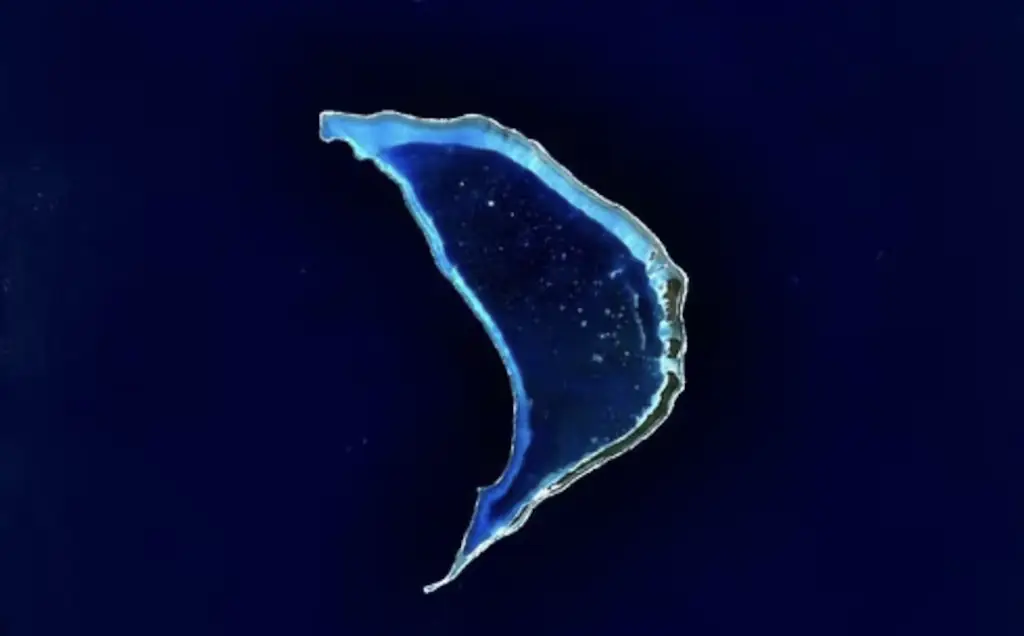
Researchers say that these coral atolls, Bikar and Bokak, look to be 'wild and untouched'.
They are located near the Marshall Islands, and they could be some of the most natural ecosystems left in not just the area, but the world.
Researchers share their findings
First author Dr Alan Friedlander, a marine ecologist at the University of Hawai'i, explained: "This study provides the first comprehensive ecological baseline of the newly created National Marine Sanctuaries of Bikar and Bokak atolls from the sky and land to the deep sea, and highlights some of the most intact ecosystems remaining in the region."
He added: "Bikar and Bokak are not just treasures for the Marshall Islands but for the entire planet, a gift from the community of Utirik Atoll, which has traditionally and vigilantly safeguarded these fragile ecosystems for decades."
They are the northernmost atolls among the Marshall Islands, which are 72 miles (116km) and 239 miles (385km) from the nearest inhabited atoll.
Three years ago, a team studied the local land, sea, and sky at Bikar and Bokak, while also making note of seabird and shorebird populations, mapping vegetation, and keeping track of turtle nesting sites, coral reefs, and fish communities.
The team used a number of methods, which included deep-sea cameras, scuba surveys, underwater video, and a submarine, as they tried to collate the most detailed information about the region's biodiversity.
By 2025, the scientists' hard work resulted in the designation of a massive 48,000-square-kilometre marine sanctuary around the atolls.
"These atolls have extensive seabird colonies, mature native vegetation, and active turtle nesting," Dr Friedlander said, with the sanctuary becoming the country's first national marine protected area.
The study, which was published in the journal Frontiers in Marine Science, says that while these ecosystems are far from humans, they can still be affected by global warming and climate change.
Friedlander explained: "They also have high reef-fish biomass and large predators, coral-dominated reefs at Bokak, structurally complex mesophotic habitats, and surprisingly diverse and poorly known deep-sea communities."
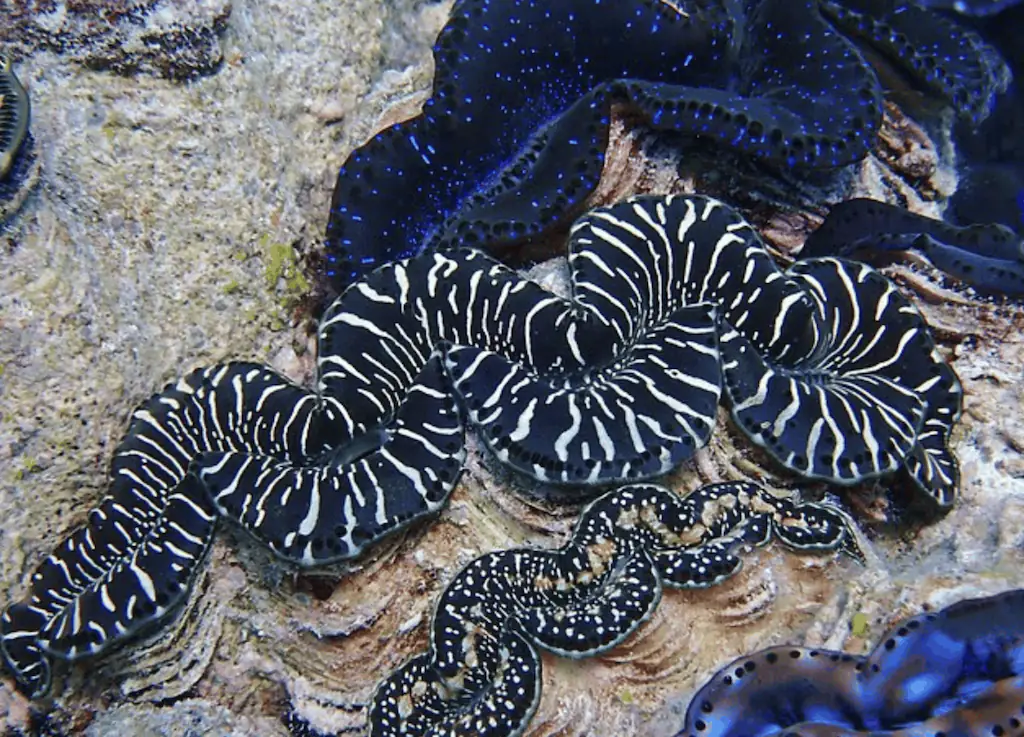
In total, researchers discovered 15 seabird colonies that were likely or confirmed to be breeding, in addition to 266 groups of reef fish, 138 groups of fish living at greater depths, and 79 groups of deep-sea fishes.
Aside from that, 15 groups of open-water predators, including sharks, jacks, and wahoo, were noticed by scientists, and two may be new to science.
Importance of preserving the atolls
The atolls are different from each other, though, with more green sea turtle nest pits recorded at Bikar, for example, as more reef fish were found at Bokak.
However, the observation of these ecosystems offers humans a look into how life would be with little to no human influence.
Dr Friedlander added: "They are among the best ecological reference systems we have to better understand what we have lost elsewhere and to provide fundamental insights needed for effective conservation and restoration efforts."
He praised the Marshall Islands government for preserving areas like this, as he claimed: "As human activities increasingly threaten biodiversity, areas devoid of intense human impacts serve as vital refuges.
"Large marine protected areas serve as globally important ecological reference systems for understanding the structure and future trajectories of tropical oceanic ecosystems."