


World4 min(s) read
Tragic simulation shows how five divers suffered 'most gruesome death imaginable' in Byford Dolphin tragedy

Ever wondered what the worst death imaginable would be deep in the ocean? Well, it's not sharks, and a simulation of a real-life tragedy will show you why.
The incident occurred way back when in 1983 at the Byford Dolphin oil rig in Norway, which saw the lives of five men stripped away in an event that must be seen to be believed.
Aptly named the ‘Byford Dolphin disaster’, it has been called one of the most gruesome ways imaginable to die, per IFL Science, thanks to a scientific term known as ‘explosive decompression’.
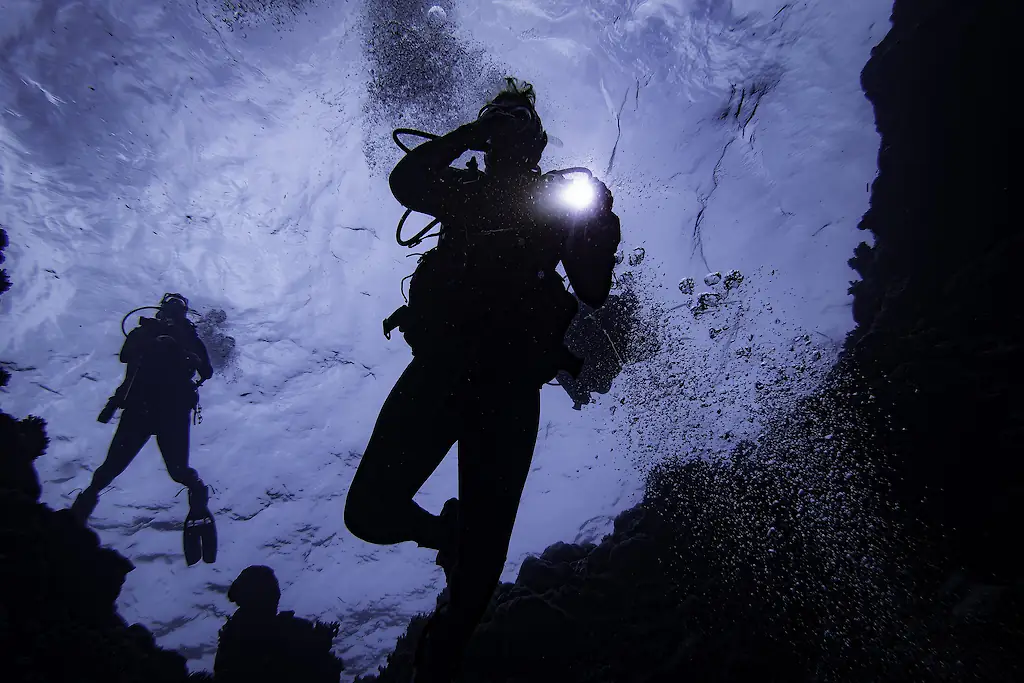
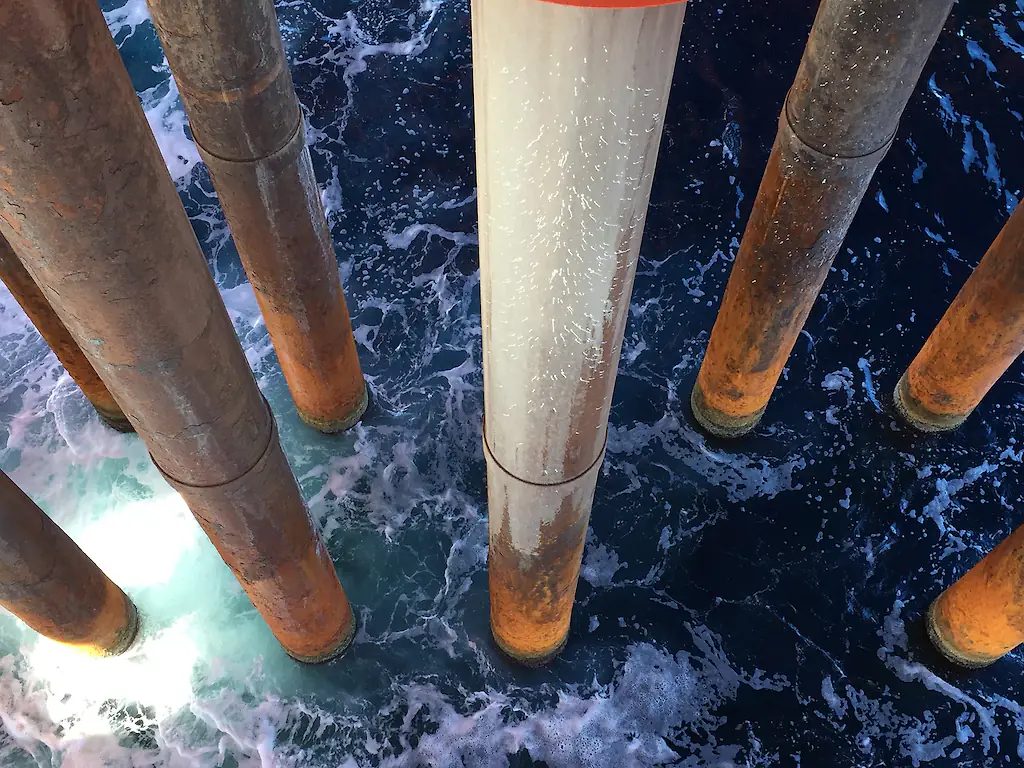
The Byford Dolphin was a semi-submersible drilling rig operating in the North Sea, with a crew that would work at depths of 500 feet (152 meters) or more so they could repair and maintain offshore oil rigs and undersea pipelines.
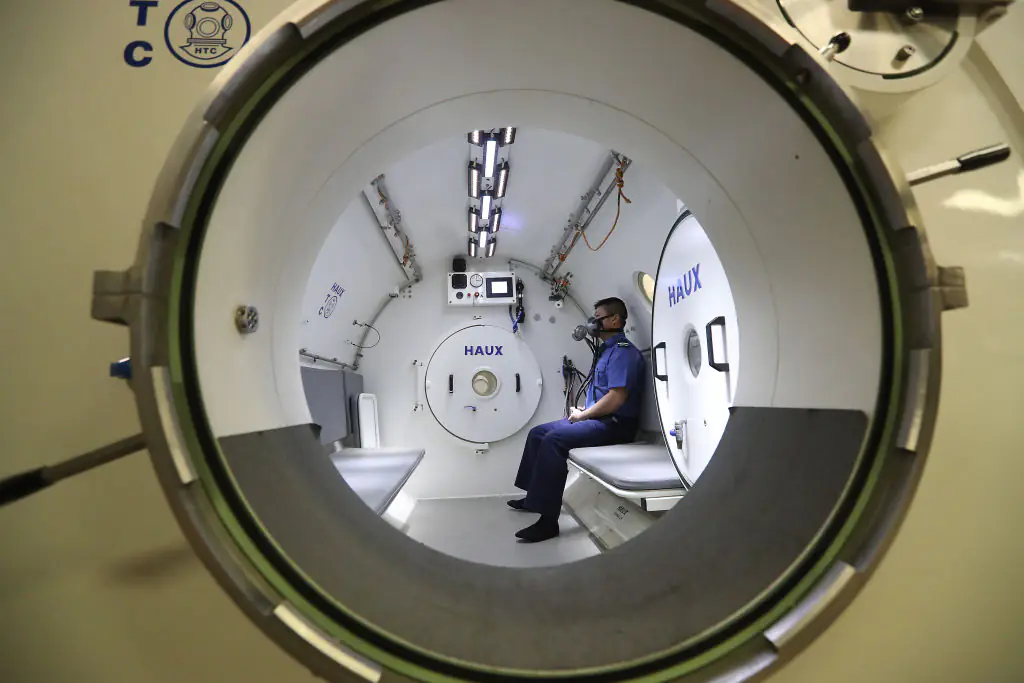
However, the divers, known as saturation divers, don’t go up to the surface after a day’s work. Instead, they have been known to spend weeks in a chamber that has been tweaked to accommodate the high pressure of underwater life, per a simulation posted by IFL Science on YouTube.
It revealed that once the job is over, however, the ascent is no easy task and requires planning and clear protocols.
This is because the pressure of the water causes nitrogen gas molecules, which are absorbed through the lungs, to then dissolve into the bloodstream.
If ascending at a slow rate, these bubbles come and go, but if a diver ascends too quickly, the gas rapidly forms bubbles, expanding quickly and leading to rapid decompression, which can cause the bubbles to rupture eardrums and damage lungs.
However, on November 5, 1983, something much worse than that occurred.
The victims were British divers 35-year-old Edwin Arthur Coward and 38-year-old Roy Lucas, as well as Norwegian professionals 29-year-old Bjørn Giæver Bergersen and 34-year-old Truls Hellevik.
They had been accompanied by dive tender 32-year-old William Crammond, who also died, and Martin Saunders, who Energy Voice reported as being left with severe injuries.
According to the simulation, it began when experienced tender Crammond performed a routine procedure on the Byford Dolphin with its depressurization chambers when he connected the diving bell to the living chambers, allowing two divers to enter one chamber.
The other two divers were already resting in another chamber when the diving bell detached before the chamber doors were closed, causing the air pressure inside the living chambers to drop from nine atmospheres to one atmosphere, killing Crammond and critically injuring his colleague.
According to the simulation, Coward, Lucas, and Bergersen were boiled as a result of the rapid depressurization causing the bubbles in their blood to expand at an accelerated rate, melting their bodily fat and causing it to allegedly leak out of their bodies as their blood hemorrhage.
But the terror didn’t end there.
Hellevik, who had been standing in front of the partially opened door, was sucked out through a small gap ‘just 60cm across’, which shredded his body and ejected his internal organs – including parts of his spine - onto the deck.

The disaster caused widespread upset, which shed a light on protocol flaws in commercial diving operations and global safety standard practices.
However, despite the pain being felt most by the relatives of those involved, it took 26 years of fighting to see compensation come their way.
In 2009, the son of Lucas, Stephen, was awarded a six-figure sum by the Norwegian Government, as were his sisters.
As for what became of the Byford rig, it was eventually scrapped in 2019.
I'd almost wish for a shark death in this instance.
.webp_QQJmGo?tr=cr-345.0.1535.1190,f-webp,q-70,w-100)



.webp_QQJmGo?tr=cr-345.0.1535.1190,f-webp,q-70,w-1024)