ADVERT
World3 min(s) read
Published 09:01 12 Aug 2026 GMT
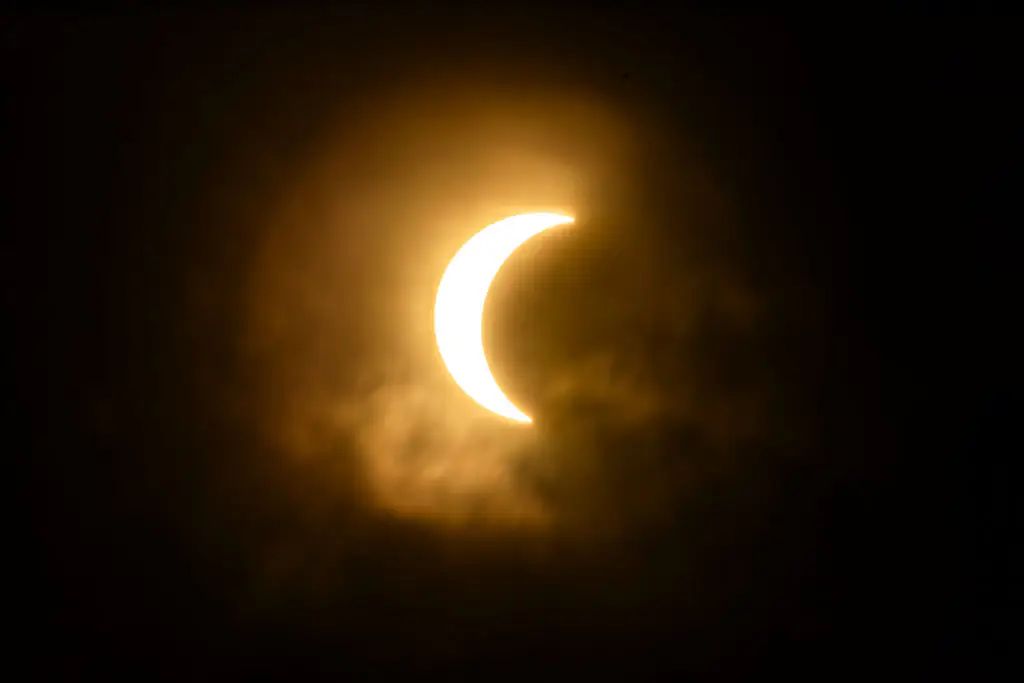
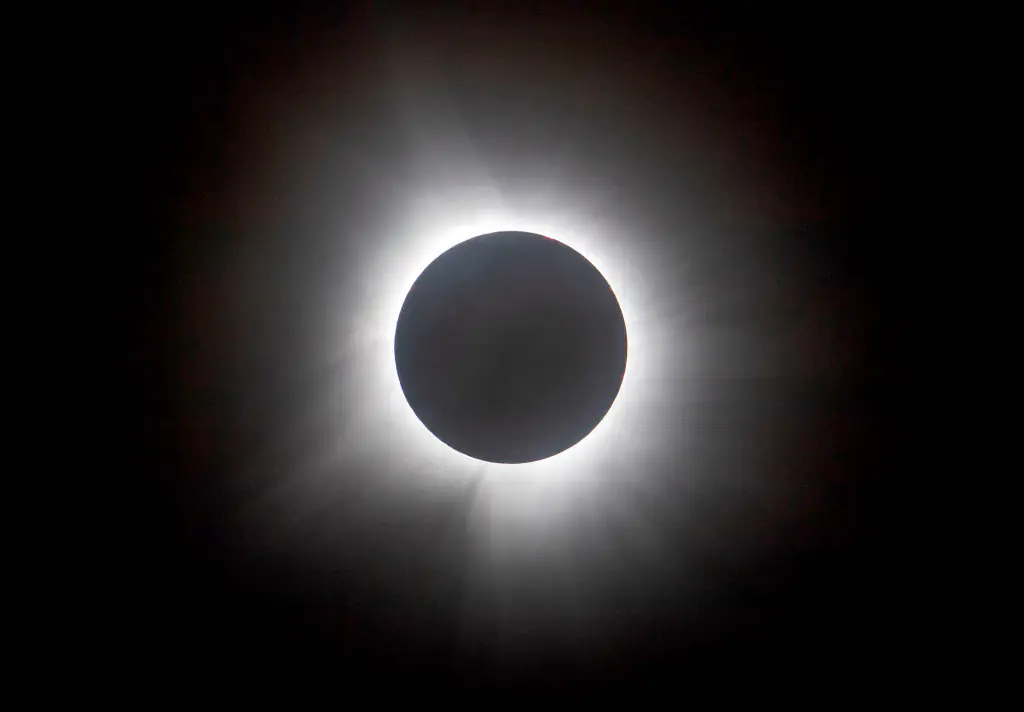
With a meteorological phenomenon set to cast the world into complete darkness for 12 seconds later today, can looking directly at the event cause eye damage?
An optometrist has issued a serious warning to those tempted to look directly at the sun during a total solar eclipse at 1:50PM EDT in the US and 7PM BST in the UK.
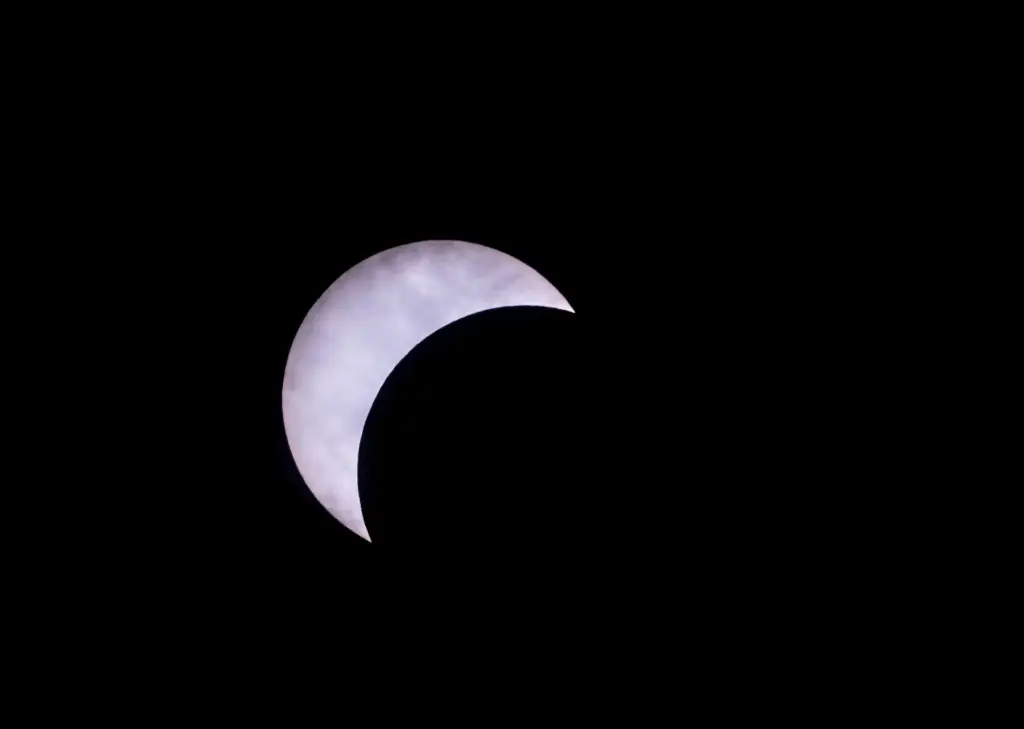
A total solar eclipse is a once-every-400-year event, and is when the Moon travels between the Earth and the Sun, totally or partially blocking the Sun’s rays from reaching Earth.
Kyla Black, an Optometrist and the Director of Optical Practice at Boots Opticians, has claimed that while it may be tricky not to look beyond the Earth’s atmosphere later, it is crucial that people protect their eyes from potential damage.
"While it's tempting to look up and enjoy the moment, it's important to remember that viewing a solar eclipse incorrectly can cause serious and permanent damage to your eyes," he claimed.
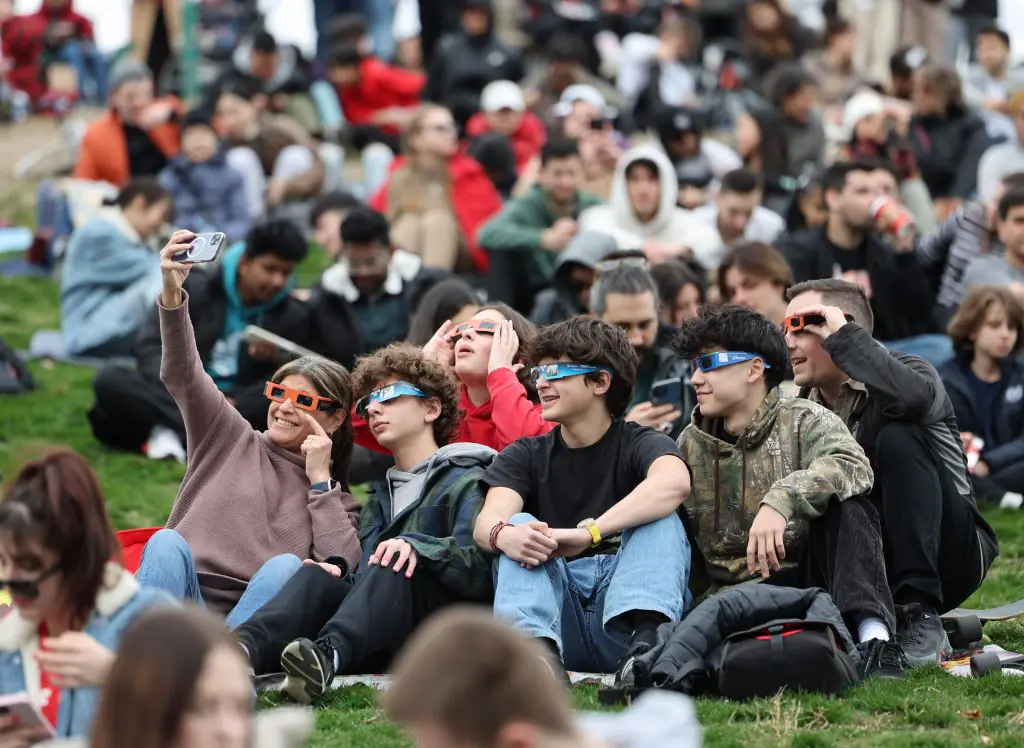
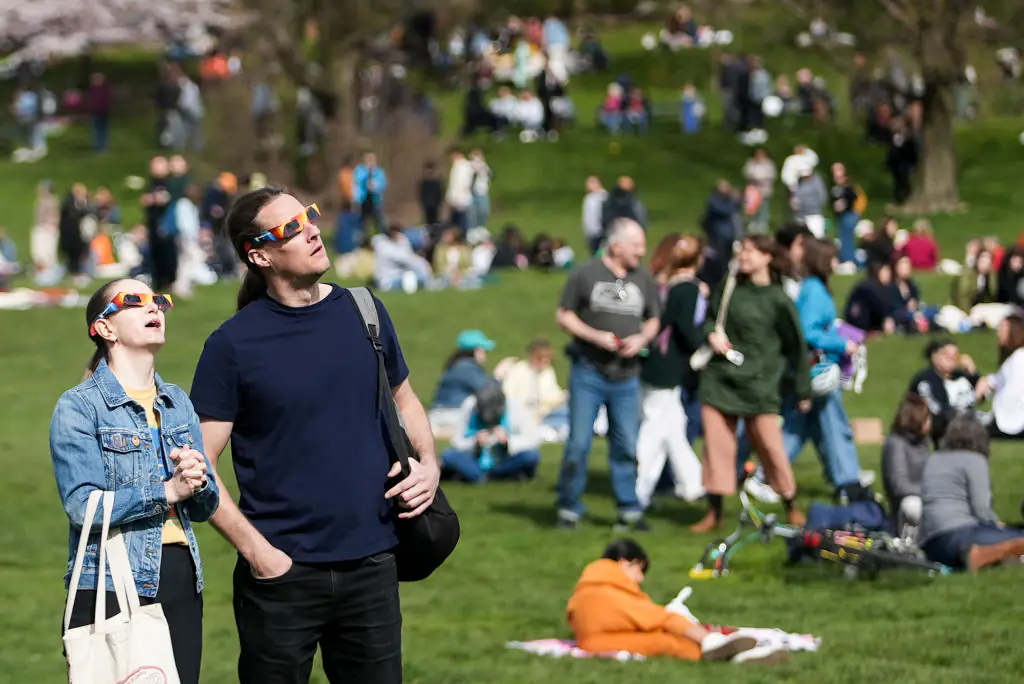
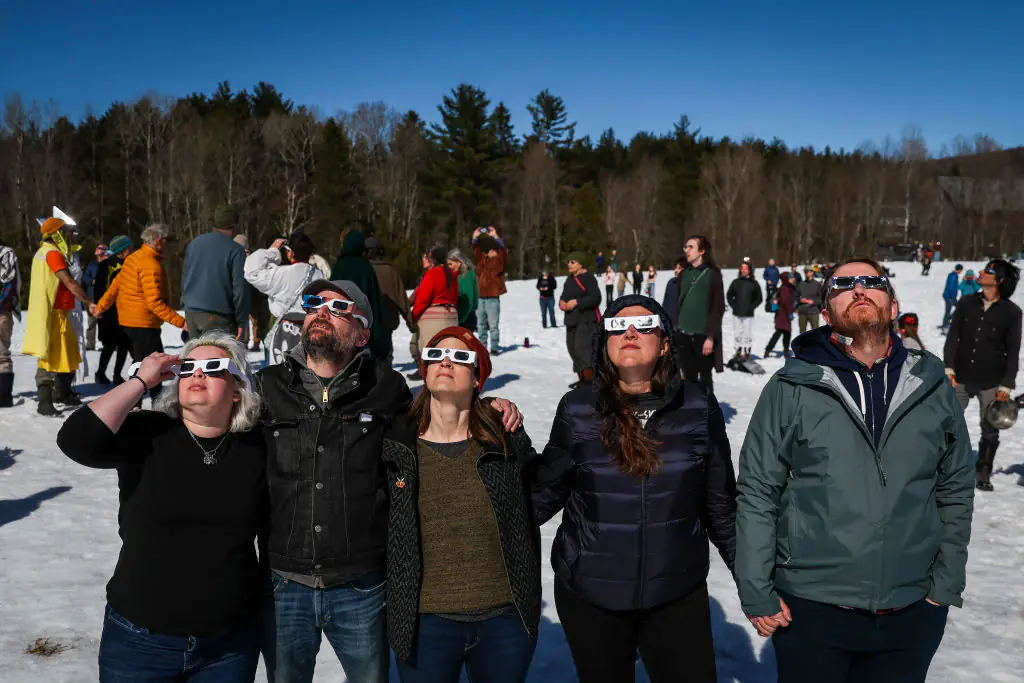
The rule of thumb, is not to look at the the eclipse with your naked eye, and instead we are urged to wear specialized eclipse glasses, with an international rating of ISO 12312-2 safety standard.
"Another option would be to watch the solar eclipse from the comfort of your own home on a livestream," he added.
He continued: “Those that are looking to use a camera and take some photos can use specially designed solar filters. The same filters can also be used for the secret astronomers amongst us who own a telescope or simply a pair of binoculars.
"Objects such as smoked glass, colour film, floppy disks, X-ray film, and dark sunglasses are unable to block invisible infrared and ultraviolet rays, potentially leading to damage to your eyesight," he reveals.
With the UK expected to welcome a 90% solar eclipse, there is a high chance some will decide to admire the astronomical beauty without realizing they could be damaging their eyes, but what risk are they putting their vision at?
NASA experts have discussed the exact reason you shouldn’t look directly at the eclipse without protection, and what the implications may be should you make that mistake.
According to eyecare professionals, viewing the Sun, whether that be directly or partially, will likely cause severe eye injury without the necessary lens protection.
The Seema Eye Care Center claims that looking at the Sun directly, especially during an eclipse, can damage the retina — a key element of the eye, which senses light and allows us to see. This damage is called ‘solar retinopathy ’ and can be fast-moving and painless.
Symptoms of solar retinopathy include:
us4 min(s) read
news3 min(s) read
Published 16:16 09 Apr 2024 GMT
news3 min(s) read
Published 12:10 09 Apr 2024 GMT
us4 min(s) read
Published 14:09 13 Oct 2023 GMT
news4 min(s) read
Published 15:38 05 Apr 2024 GMT
Published 13:37 13 Apr 2024 GMT
A woman has been left with a permanent blind spot in her sight after staring directly at a solar eclipse.
On April 8, millions gathered all across North America to witness a once-in-a-generation celestial event: a total solar eclipse.
Spanning parts of the US, Mexico, and Canada, the path of totality crossed over approximately 44 million people, making it truly a sight to see.
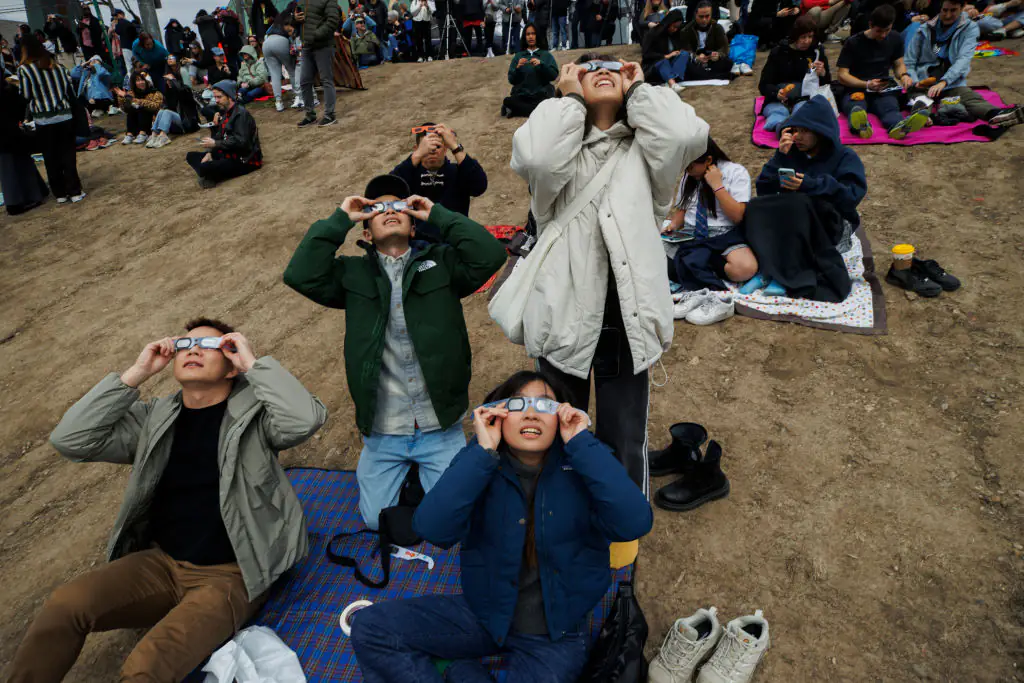
People headed out in their numbers to watch the event gathering in massive venues and fields to make sure they could catch a glimpse of this rare phenomenon.
However, not everyone was as prepared as they should have been.
While a lot of folks understood that wearing eye protection is an important aspect when it came to witnessing something as powerful as this, some thought it would be good to take a risk and just stare directly at the sun - a grave mistake if I ever did hear one.
READ MORE: How To Tell If Your Eyes Were Damaged From Monday’s Solar Eclipse
Something so simple can have such dire consequences, including the permanent loss of vision.
In the wake of the recent solar eclipse, one woman shared her experience after she made the mistake of forgetting her eye protection six years ago during another similar event.
Bridget Kyeremateng AKA @iambridget on TikTok took to the video sharing platform to recall the time she stared directly at the sun and moon just for a few seconds.
"It pains me that me and the orange man [Donald Trump] have something in common, and that is that yes, I did look at the solar eclipse six and a half years ago," she said in the video, which has been viewed a whopping 5.5 million times.
"I closed my right eye, and I stared at the sun for a good, like, 15 seconds and didn't think anything of it, not an issue," Bridgette continued. "The very next day, I woke up, and I woke up on what I think is my right side, and I opened up my left eye to read on my phone, and I couldn't read every other word.
"There was, like, a blind spot on every other word I was reading," she added.
The TikToker started to get concerned and sought medical advice, but on the way to a facility, she realized that she couldn't even see signs on the road.
"This all happened in the span of 10 seconds. Only 10 seconds, I stared at the sun," Bridget said.
In the comments, others also shared their own experiences.
"I looked at an eclipse without glasses as a kid over 30 years ago. The vision in my right eye has been altered ever since. Like I'm looking through a colander," one user wrote while another added: "I've worn prescription glasses ever since I looked at it."
Speaking to BuzzFeed, Bridget opened up about the lasting effects the mistake still has on her today.
"It took about 24 hours for the blind spot to settle in, and it's been with me to this day. I wear prescribed sunglasses to help ease the strain and headache from my left eye," she told the outlet.
So there we have it guys. If you're ever thinking of staring directly at a solar eclipse, then don't unless you want potentially life-altering eye issues.
If you're concerned about any symptoms you may be experiencing including headaches, blurred vision, scotomas AKA dark spots, color changes in normal vision, and distorted lines, please seek medical help immediately.
People were left starstruck as parts of North America were plunged into darkness after witnessing a total solar eclipse on April 8.
Millions of spectators across the US, Mexico, and Canada gathered to watch the spectacular event, with the path of totality crossing over approximately 44 million people.
People headed out in their numbers to watch the event - with proper eye protection, as that's extremely important - gathering in massive venues and fields to make sure they could catch this once-in-a-lifetime celestial phenomenon.
However, not everyone was as prepared as they should have been.
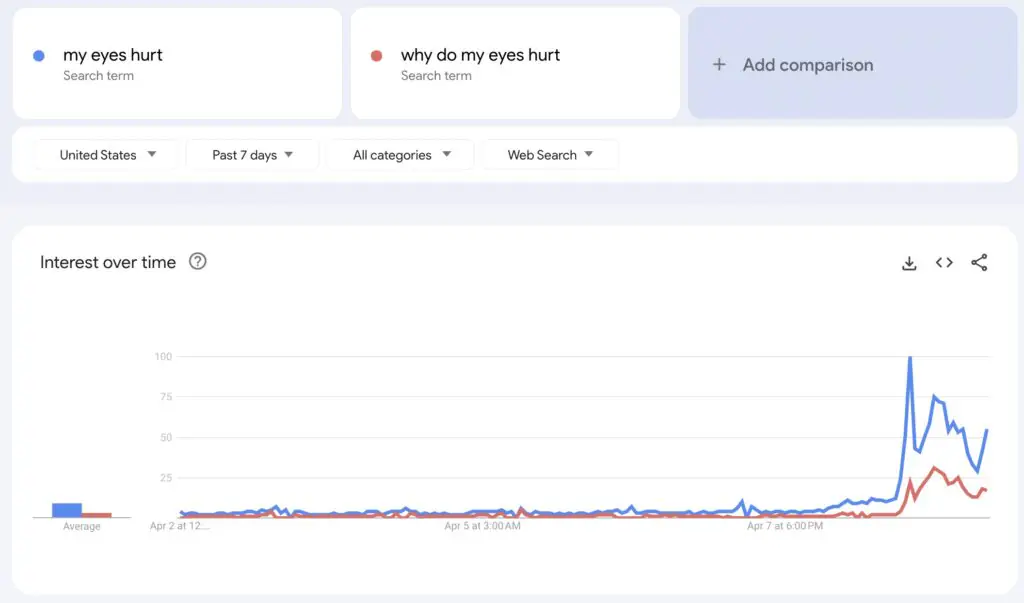
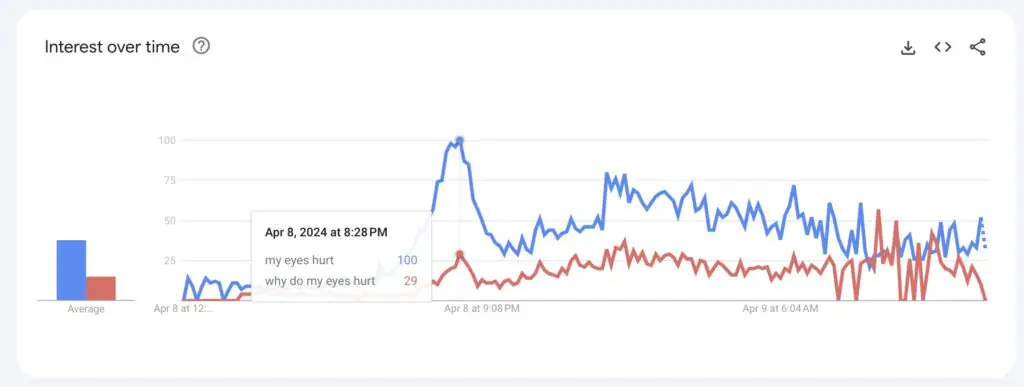
Google searches of people wondering why their eyes were hurting after witnessing the eclipse spiked suddenly after Monday's event with many asking: "Why do my eyes hurt?", "Why do my eyes hurt after looking at the eclipse?", and "I looked at the eclipse and my eyes hurt."
Gathering all the information, here's a run-down on how to tell if your eyes are damaged due to the eclipse and when you should seek medical help immediately.
Speaking to CNN, Dr. Yehia Hashad, an ophthalmologist, retinal specialist, and the chief medical officer at eye health company Bausch + Lomb outlined some of the symptoms that come with eye damage.
Alarming signals include headaches, blurred vision, scotomas AKA dark spots, color changes in normal vision, and distorted lines.
"This could be happening unilateral or bilateral," Hashad said. "So it doesn't necessarily happen in both eyes. It could be affecting one over the other or both eyes together."
But the worst part is that it may not happen immediately, so you might not be able to tell that anything's wrong until things have gotten worse.
Dr. Jason P. Brinton, an ophthalmologist and medical director at Brinton Vision in St. Louis, also told the outlet that while some will regain normal visual function, sometimes the damage is permanent.
"Often there will be some recovery of the vision in the first few months after it, but sometimes there is no recovery and sometimes there's a degree to which it is permanent," Brinton said.
He also added that the sun can also damage the cornea, which can be a pretty painful experience.
"...Retinal issues... are painless and can have permanent, lasting effects on vision," he said.
But why do people do this, despite the dangers?
Brinton thinks it may be due to psychological associations.
"Everyone knows don't look at the sun. If you go out on a bright day and try to look at the sun - it's very uncomfortable, very bright. So most people intuitively associate that with something they should not be doing," Brinton explained. "But with the eclipse, so much of that is blocked and so that natural sense of discomfort and aversion to the brightness is not there."
If you need more information or are worried by any unusual symptoms, please seek medical help from an eye care professional.
The mesmerizing journey of the total solar eclipse across Mexico, the United States, and Canada reached its conclusion over continental North America on Monday, leaving millions of people in awe.
Those situated along the center line of the path of totality were treated to a spectacle lasting between 3½ and 4 minutes, as reported by NASA.
Approximately 32 million people in the United States reside within the path of totality, experiencing the celestial event in states such as Texas, Oklahoma, Arkansas, Missouri, Illinois, Kentucky, Indiana, Ohio, Pennsylvania, New York, Vermont, New Hampshire, and Maine.
And although many of us were eager to witness the solar spectacle, the eclipse obviously came with many serious warnings (which I feel were repeated A LOT prior to the event).
To observe the eclipse safely, it was crucial to equip oneself with certified eclipse glasses or a solar viewer.
As reported by CNN, staring at the sun without the protective filter of these glasses or viewers carries the risk of permanent eye damage known as solar retinopathy, which cannot be treated.
However, despite the widely reported health warnings about not staring at the sun, it appears that some people may have done just that.
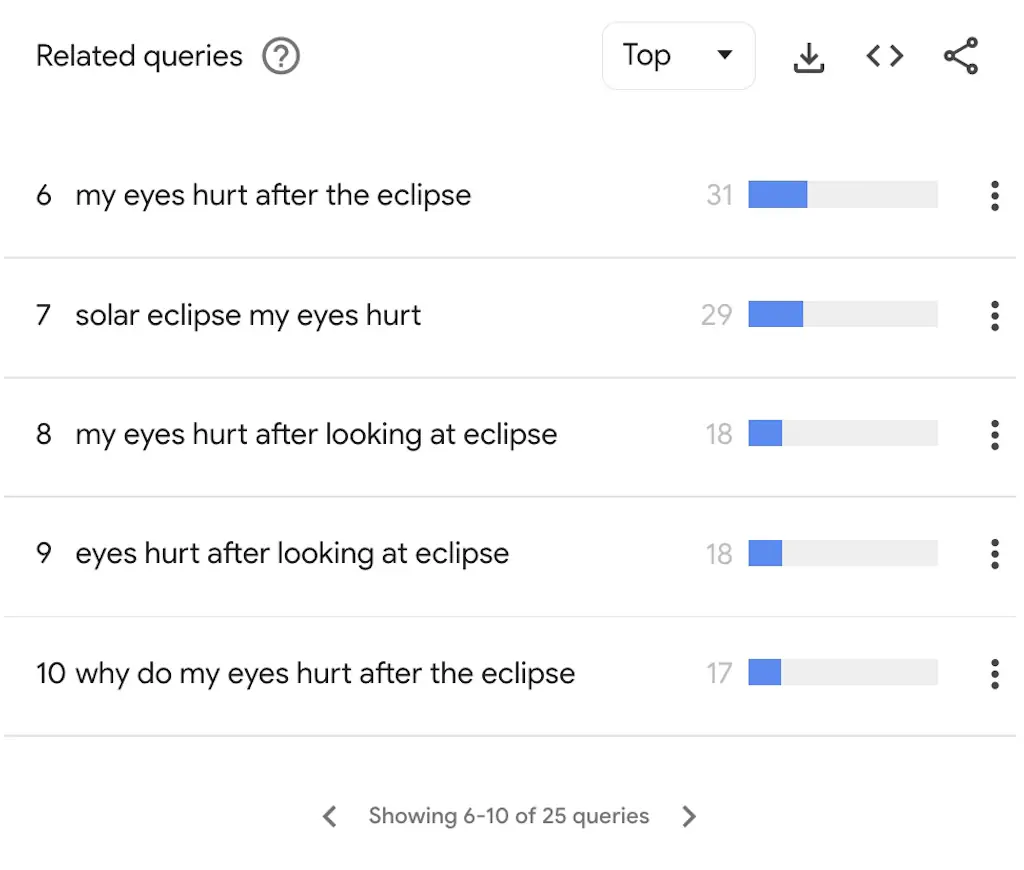
Following Monday's dazzling sky display, Google searches for 'Why do my eyes hurt?' and 'my eyes hurt' spiked massively, as you can see from the Google Trends graphs below:
These particular search terms have also been related to queries directly associated with Monday's eclipse, such as "Why do my eyes hurt after looking at the eclipse?" and "I looked at the eclipse and my eyes hurt".
Ronald Benner, an optometrist and president of the American Optometric Association, advised seeking medical attention immediately if any symptoms or eye discomfort arise.
"For most people, it’s an alteration of color vision,” Benner told CNN. "The next morning, colors just don’t look right, or it may be bleached out or just kind of hazy all the time. For others, it may be that they actually have holes in their vision."
Alaskans will have the opportunity to witness a total solar eclipse on March 30, 2033, while a partial solar eclipse will be visible across most of the US during that event.
The next total solar eclipse visible from the contiguous US won’t occur until August 22, 2044, with totality limited to North Dakota and Montana, along with parts of northern Canada.
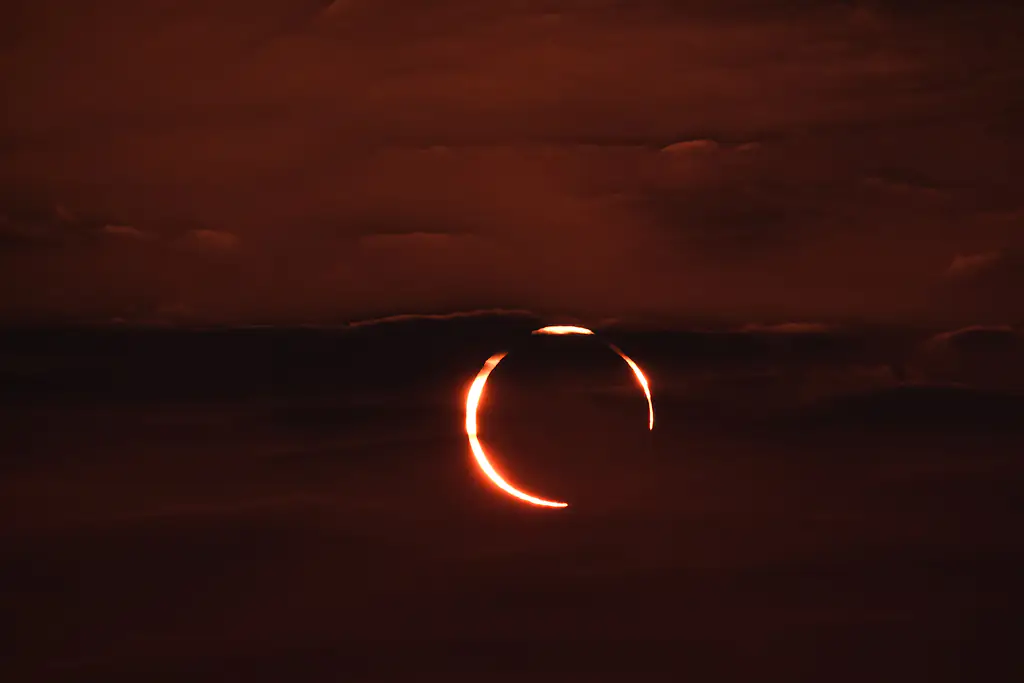
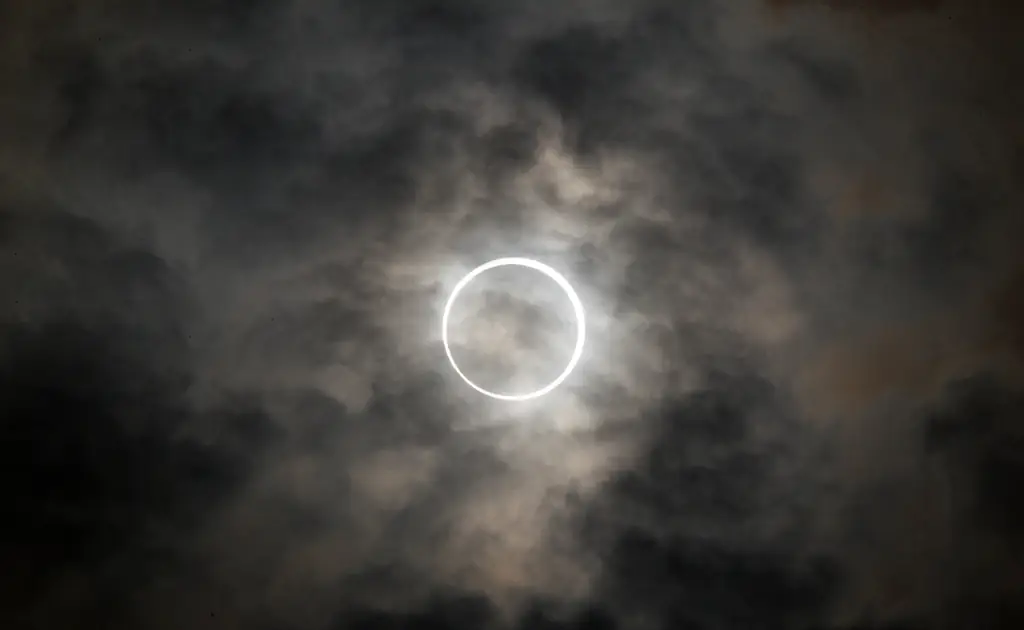
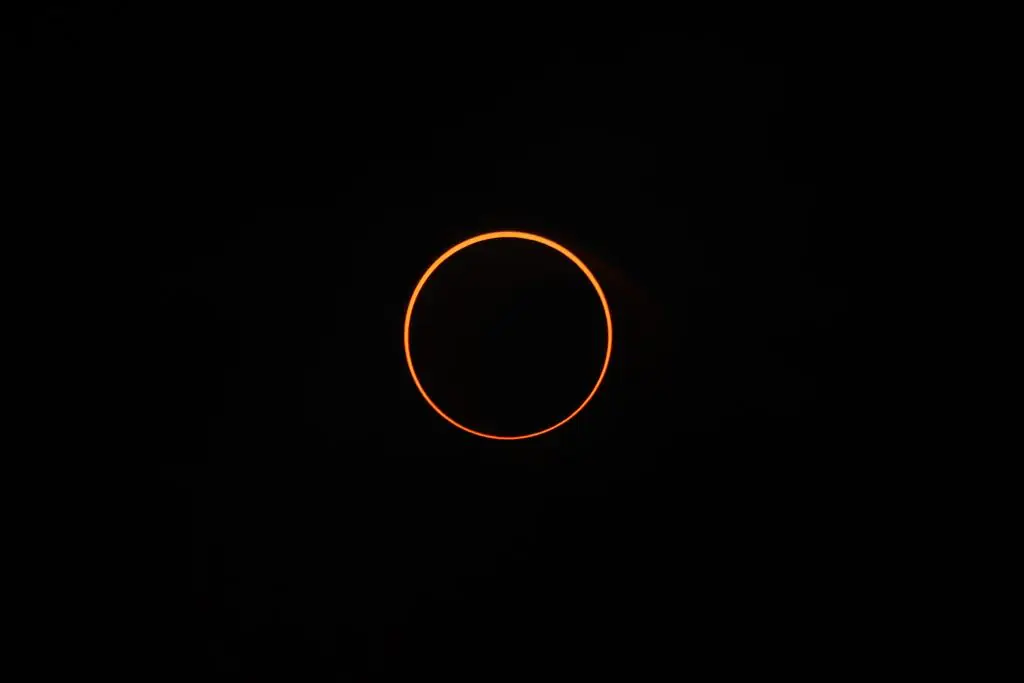
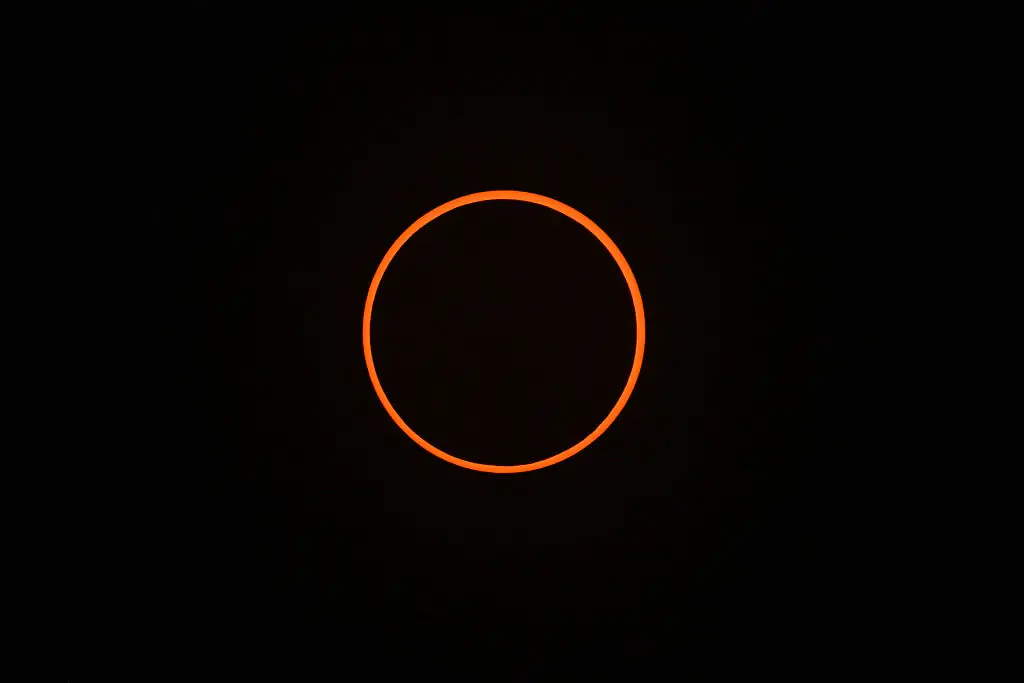
This Saturday, people in the Americas will be graced by the spectacular "ring of fire" annular solar eclipse. And although astronomers and sky-watchers are abuzz with excitement, a word of caution is in the air.
The next such event won't come around until 2046, making this an unmissable phenomenon. However, as you prepare to witness this celestial spectacular, it's essential to do so safely – and no, sunglasses won’t suffice.
Unlike a total solar eclipse where the moon completely obscures the sun, an annular eclipse occurs when the moon, at its farthest orbital point from Earth, leaves the sun's blazing edge visible. This creates the dramatic "ring of fire" effect. NASA further informs that a crescent-shaped partial solar eclipse will be discernible in all 49 continental US states, including Alaska, if weather conditions permit.
Eyes on SafetyNASA and experts from the National Solar Observatory have a clear message: never gaze at the sun without appropriate protection, except during the short phase of "totality" in a total eclipse. The strong sunlight can be harmful to your eyes.
Speaking to CNN, Dr. Carrie Black of the National Solar Observatory cautions: "During an annular eclipse, because the surface of the sun is not completely covered, you must wear glasses or view indirectly at all times." Cases of solar retinopathy - irreversible retinal damage due to solar exposure - have been reported in the past from direct sun viewing.
For a safe eclipse experience, use certified eclipse glasses or handheld solar viewers. Alex Lockwood from NASA headquarters underscores their importance, stating: "You need certified ISO 12312-2 compliant solar eclipse glasses [...] We cannot stress enough how important it is to obtain a pair of safe certified solar eclipse glasses in order to witness this annular event."
Contrary to popular belief, regular sunglasses can't replace eclipse glasses. Eclipse glasses are 100,000 times darker, adhering to international safety standards. Their lenses are infused with carbon particles, blocking almost all visible, infrared, and ultraviolet light – a feature your standard sunglasses lack.
To ensure you're buying legitimate protection, the American Astronomical Society has curated a list of safe manufacturers and resellers of eclipse glasses and filters.
Usage GuidelinesWhen preparing to view the eclipse:
Welding filters can also be employed to view the eclipse. Filters with a shade number of 12 or higher ensure safety, although shades 13 or 14 are often preferred for a more vibrant view. Do note, the sun will appear green when viewed through these filters.
You can also try and create a "pinhole projector", information of which can be found here.
In conclusion, while the upcoming annular solar eclipse promises to be a mesmerizing event, your safety should be paramount. With the right precautions, you can safely enjoy nature's grand display and cherish the memory for years to come.
North America is set to be treated for a total solar eclipse this month, but the spectacle comes with a warning from scientists.
Mark your calendars for April 8, 2024, as a total solar eclipse is set to dazzle spectators across Mexico, the United States, and Canada.
This rare celestial event is being dubbed the "Great North American Solar Eclipse" and is set to be one of the longest ever recorded!
But, the incredible event comes with warnings, per Sky News and The New York Post.
With thousands of spectators flocking to prime viewing spots, authorities in several states have cautioned about possible traffic jams and travel disruptions.
In Texas, the eclipse's direct path, residents are advised to anticipate heavier-than-usual traffic in the days surrounding the event.
While the eclipse won't directly impact flights, the Federal Aviation Administration (FAA) warns of increased air traffic during the event. Airlines like Delta are offering special eclipse routes, but regular flights may experience delays, particularly during peak viewing times.
In anticipation of heavy crowds and staffing challenges, hundreds of schools across multiple states will either close early or shut down completely on Monday, so be sure to check what your individual school is doing before the big day.
Residents and tourists are advised to stock up on essential supplies, including food, water, and medications, ahead of the eclipse. With populations expected to surge in many areas, it'll be good to have things in supply at home, saving you from going to the store to find nothing is left.
The Federal Highway Administration (FHA) reiterates the importance of safe driving during the eclipse, urging motorists to refrain from stopping on roadsides for viewing.
Perhaps the most critical warning is around eye safety during the eclipse. Viewing the sun without proper protection can cause irreversible eye damage. Genuine eclipse glasses, not regular sunglasses, are essential for safe viewing. Beware of counterfeit glasses, and ensure that they meet safety standards before use.
With that being said, John Irwin, an expert in eclipse computations, has revealed that the zone where the moon will completely obscure the sun is 600 yards narrower than what official NASA projections indicated.
This adjustment has implications for viewers on the edge of the path of totality, potentially shortening their window to witness the total eclipse. In some areas, such as Rome, New York; Effingham, Illinois; and Montreal's Cité Jardin Park, the eclipse may be entirely missed due to this revised path.
Major US cities like Dallas, Indianapolis, Cleveland, and Buffalo are still squarely within the path of totality and will experience nearly four minutes of complete darkness.
Interestingly, some southern parts of the US, including San Antonio and Austin, may see a slightly widened path of totality according to Irwin's projections.
In Canada, parts of Toronto, Montreal, Drummondville, and Lumsden may also be affected, with some areas losing visibility during the eclipse.
Here's a breakdown of when the total solar eclipse will occur in various US and Canadian cities on April 8, all in local time: