


World1 min(s) read
Woman's brain fluid leaked through her nose after COVID-19 nasal swab
.jpg_I4Ebof?tr=cr-0.338.2730.3068,f-webp,q-70,w-100)
A woman with an undiagnosed bone condition has suffered a leakage of brain fluid through her nose after a Covid-19 test.
The woman in her 40s has a skull defect that prevents bones from completely fusing together, and its symptoms, including a running nose and headache, were likely prompted by the test.
This is what it's like to get tested for Covid-19:
[[youtubewidget||https://www.youtube.com/watch?v=14mRmD8zHOk]]
News of the unusual case was revealed on Thursday in the journal JAMA Otolaryngology-Head & Neck Surgery, emphasizing the importance of carrying out Covid-19 tests safely.
The study's authors said that this is of particular importance as the number of tests being carried out is likely to hit six million a day by the end of 2020.
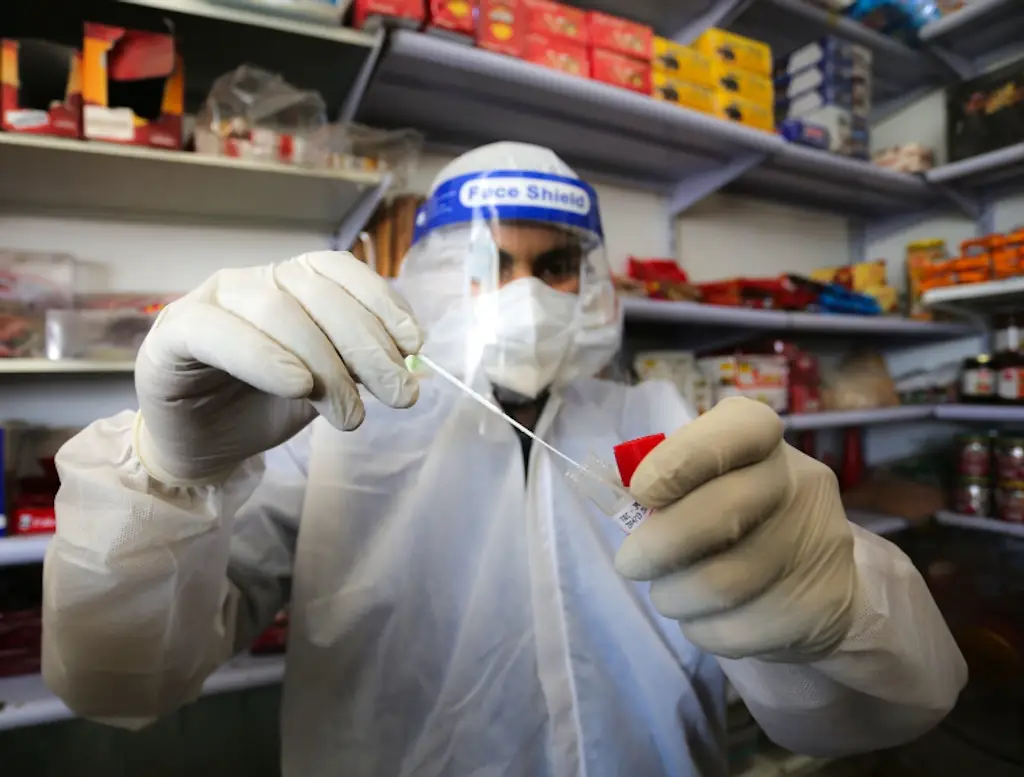
The woman's test was carried out in a hospital where she had been attending for another elective surgery, and shortly after, she began to experience a runny nose, headache, and vomiting.
On her return, the woman also reported a metallic taste in her mouth, neck stiffness, and light sensitivity.
Several celebrities, like Chrissy Teigen, have happily shared their tests in order to help others feel more comfortable:
[[jwplayerwidget||https://content.jwplatform.com/videos/gPx7lszn-dkXnENEs.mp4||gPx7lszn]]
Clinicians at the University of Iowa revealed that two decades before the Covid-19 test, the woman was suffering from a condition that left her with pressure in the brain and nasal polyps.
The problem causing this earlier condition, however, was removed, the study's authors noted.
They tested the liquid coming from the woman's nose for brain fluid and it was positive, with a brain scan revealing that she was suffering from encephalocele, which prevents the bones of the skull from closing.
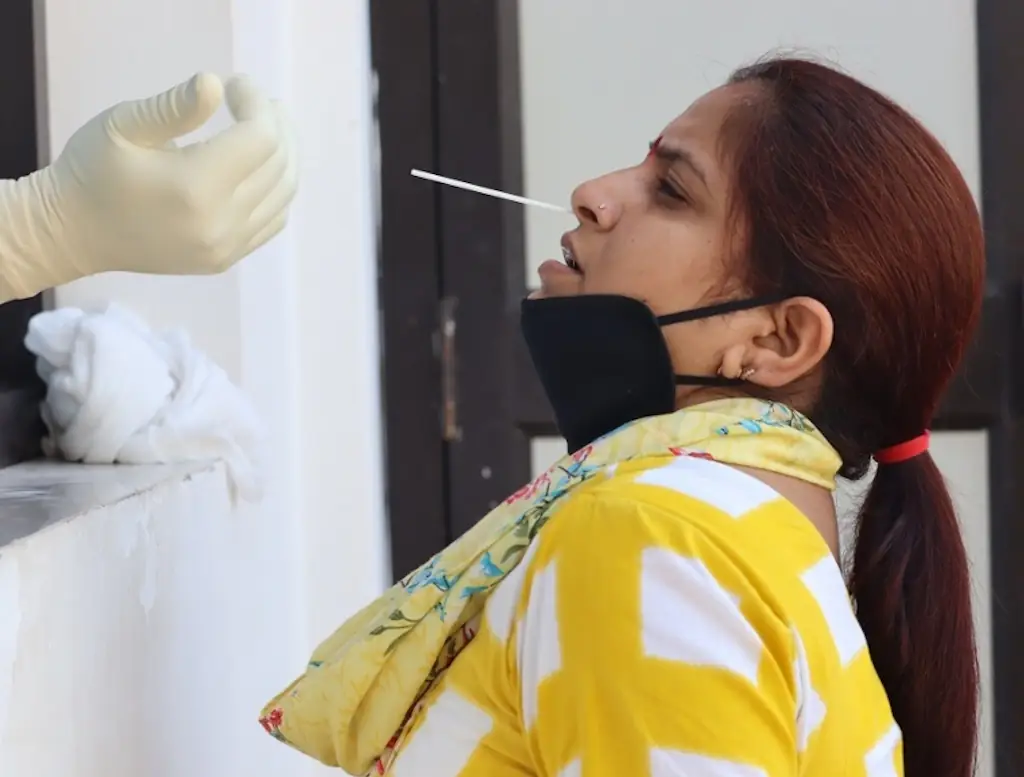
Doctors compared past scans of the woman's brain which revealed that the had been suffering from the bone condition for at least three years, but it was never diagnosed.
The clinicians concluded that the brain fluid leakage was the result of the preexisting condition being aggravated by the test, rather than being caused by it.
The woman was taken into hospital to have surgery to repair her skull, and at the time of the journal's publication, she remained there having the fluids trained and under close observation to ensure that there were no complications.