


Space5 min(s) read
Once in 250 years 'Blackout Arc' event could be about to plunge millions of Americans into total darkness
.webp_lli6Ty?tr=cr-74.9.445.380,f-webp,q-70,w-100)
Scientists have warned that a 'Blackout Arc' event could soon plunge millions of Americans into darkness.
A new study by researchers from George Mason University, Virginia, has concluded that if a major solar storm were to hit the planet today, it could sweep large swathes of the US into darkness.
Known as a 'blackout arc', it could span 22 states, impacting over five million people, and costing the nation billions.
Thankfully, solar storms such as these are rare and believed to only happen between once a century and once every 250 years.
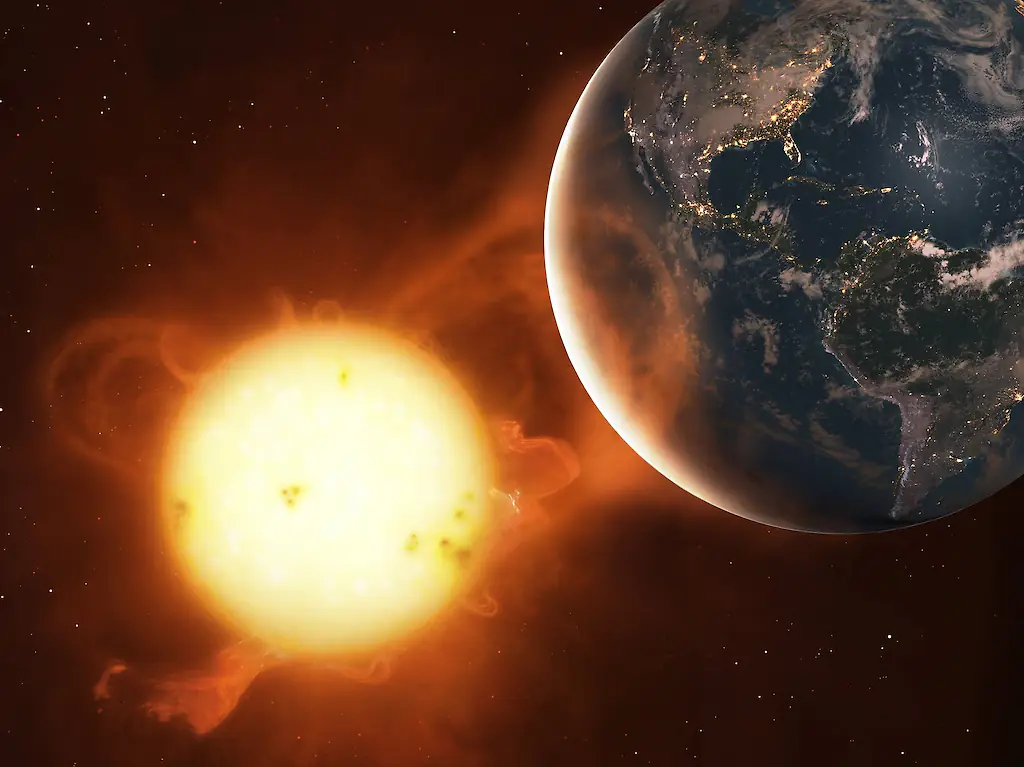
Back in 1859, one such storm - known as the Carrington Event - hit the planet. However, due to the fact that technology was far less advanced back then, the only major impact was on telegraph machines.
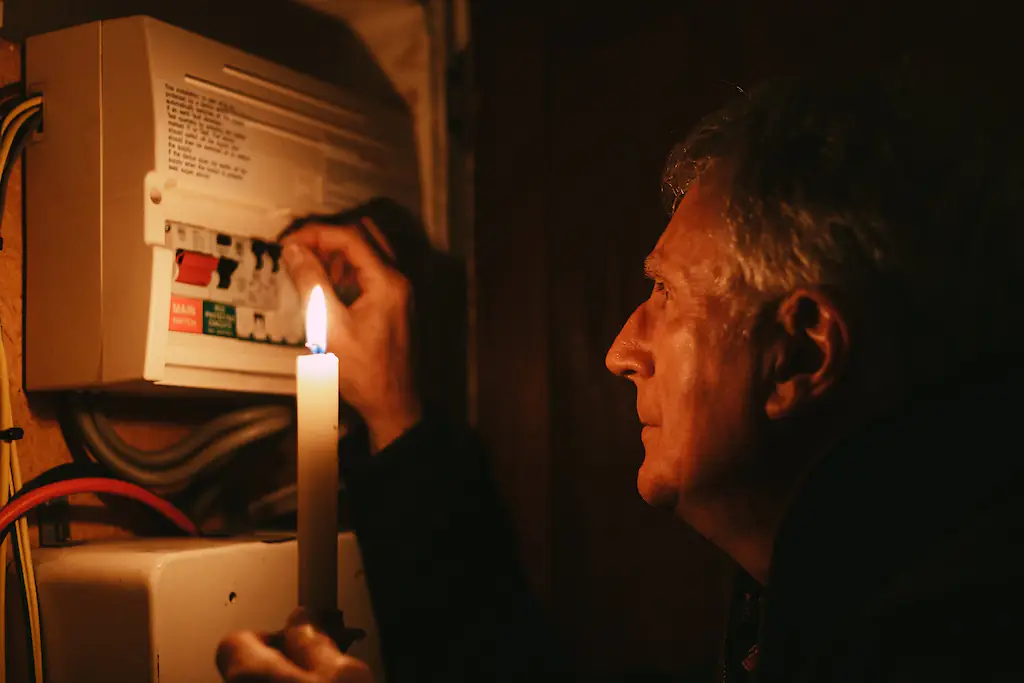
With most of the planet now being heavily reliant on electricity and other technology, a storm of this scale could push extra electrical current into northern and northeastern power lines, overloading big transformers, and leaving 135,000 businesses without electricity for at least a day, per the Daily Mail.
According to the study, the states that would likely bear the brunt if such a solar storm were to hit the planet would be Wisconsin, Minnesota, and areas along the East Coast such as New York, New Jersey, and Virginia.
The effects could mean lights, power outlets, and WiFi would go out, meaning people would not be able to access the internet, and their food could be affected as freezers and refrigerators are left without power.
Geophysicist Stefan Burns, who was not part of the George Mason study, warned that such an event may be closer than we believe - and could happen within the next six years.
Burns told the Daily Mail it could also affect those with certain medical conditions and devices, explaining: "Anyone with metal in their bodies is probably going to experience a lot of problems.
"It can [also] be really bad for people with cardiovascular disease. The elderly are more susceptible to space weather and solar storm impacts."
As solar storms can impact the Earth's magnetic field, this could induce tiny currents in metal and electronics, thus affecting people with metal implants or pacemakers, however, a scientific study has not conclusively proven that solar storm energy could harm people on the ground.
The George Mason study published in AGU Advances estimated that in a worst-case scenario, the blackout arc would cost the US economy around $1.8 billion, as work and supply chains would stop for the day.
According to Burns, one such solar storm already passed by the planet in January 2026, as planetary conditions did not align for it to cause massive damage to Earth.
According to NOAA, that particular event was a G4 storm, the second-highest rank for geomagnetic storms, one of the strongest in decades and carrying the most solar radiation since 2003.
The Earth's magnetic field acts as a shield which can deflect the energy away from the Earth's surface as long as it lines up with the storm's own magnetism a certain way, as it did in January.
Burns warns that the next major storm will be down to planetary alignment, explaining: "Some of the biggest solar storms line up with very unusual planetary geometry.
"You can't forecast all the time what's going to happen based off planetary geometry but if you do look forward to some interesting planetary geometry, then maybe we can identify key risk zones.
"We see that happen in the middle of 2032 with some really crazy planetary geometry involving most planets."
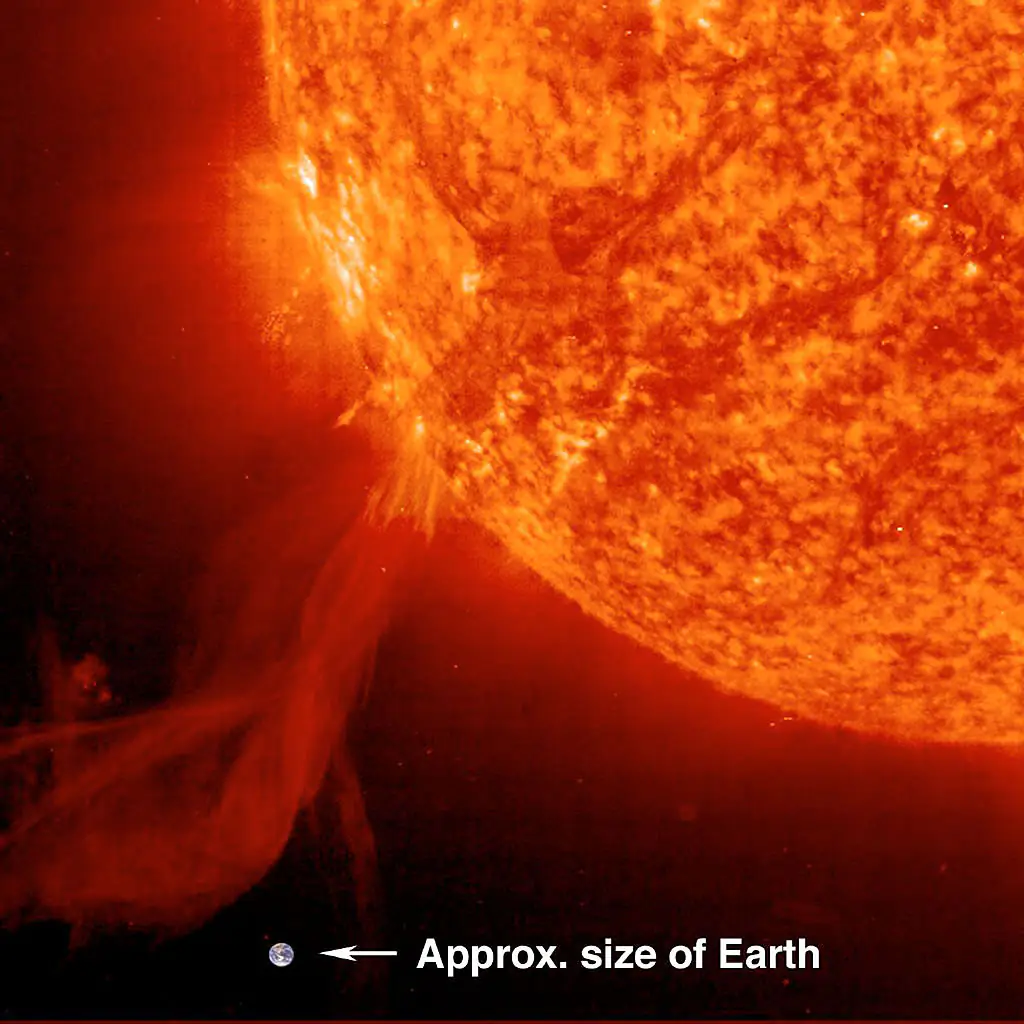
Solar storms happen when the sun throws off huge bursts of charges particles, called a coronal mass ejection, which can shake the Earth's magnetic field when headed towards out planet, hitting that invisible magnetic shield.
That shaking creates electric currents in the ground which can affect high-voltage power lines and heat up the transformers that keep the power grid running. If enough transformers overheat or trip, this could trigger widespread blackouts.
This injection of solar energy can also spark natural disasters such as earthquakes or volcanic eruptions, with Burns adding: "It may take a few years to manifest afterwards but there will be something there. That amount of of energy coming into the planet is quite significant."
Edward Oughton, lead author of the George Mason study, and his team wrote: "We find that a 100-year storm could disrupt power for approximately 3.45 million people. At 250-year intensity, the affected population rises towards 5.1 million and the number of affected businesses rises to approximately 135,000."
Thankfully, the chances of it hitting are still pretty rare, so there's probably no reason to worry just yet.