


Space1 min(s) read
Stunning meteor shower will light up sky with hundreds of shooting stars this month
.jpg_I4Ebof?tr=cr-0.338.2730.3068,f-webp,q-70,w-100)
Now that the majority of us are stuck inside, due to the many restrictions still in place, it's a good time to develop a strong appreciation for nature.
Whether it's a long stroll along the beach, or hiking through leafy green woodland, or maybe just casting your rod out on a clear, still pond, getting outdoors is always a good idea.
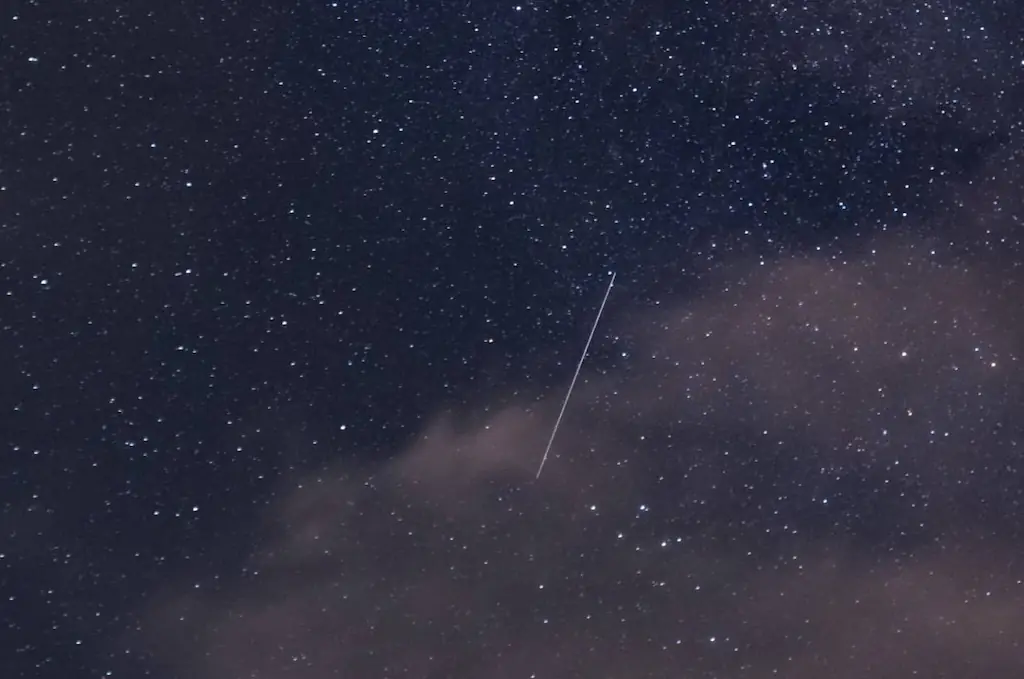
But maybe you should pay more attention to what's over your head, not what's underfoot. Why? Well, this month the night skies above us are due to light up with shooting stars, that's why.
Take a look at this amazing, blood moon moonrise:
[[jwplayerwidget||https://content.jwplatform.com/videos/MwGAxt1j-Q0L14jDU.mp4||MwGAxt1j]]
Orionid meteors are usually due in the night sky each year, while the planet Earth travels through an area of space still strewn with the debris of Halley’s Comet.
The Orionids are most active between October 2 to November 7, and typically peak between October 20 and 24, with 2020's peak expected to fall on October 21.
According to NASA's official website, these meteors travel at speeds of approximately 148,000 mph (66 km/s) in the Earth's atmosphere, leaving incandescent 'trains' behind them - the streaks that give this phenomenon its name.
[[twitterwidget||https://twitter.com/NASAspaceplace/status/921525187496968192]]
So what's the best way to view this stellar light show? Well, according to NASA:
"The Orionids are viewable in both the Northern and Southern hemispheres during the hours after midnight. Find an area well away from city or street lights.
"Lie flat on your back with your feet facing southeast if you are in the Northern Hemisphere or northeast if you are in the Southern Hemisphere, and look up, taking in as much of the sky as possible."
"In less than 30 minutes in the dark, your eyes will adapt and you will begin to see meteors. Be patient -- the show will last until dawn, so you have plenty of time to catch a glimpse."
So there you have it: prepare yourself for a beautiful view in the near future! It'll be well worth staying up late for.