


Film & TV7 min(s) read
The true history behind Netflix's supernatural Sherlock spinoff 'The Irregulars' - from secret societies to Bedlam
.jpg_I4Ebof?tr=cr-0.338.2730.3068,f-webp,q-70,w-100)
Netflix's new Baker Street detective series The Irregulars isn't about Sir Arthur Conan Doyle's beloved detective, Sherlock Holmes. Rather, his plucky Baker Street Irregulars take centre stage, and so does the supernatural.
While we know that there weren't any real-life monsters running about in Victorian England, there were secret societies, and yes, some of the interesting characters we see do have a place in our history books.
From a reimagined royal to the realities of life in the 19th century, we break down the truth behind Netflix's new Sherlock spinoff...
What is The Irregulars about?
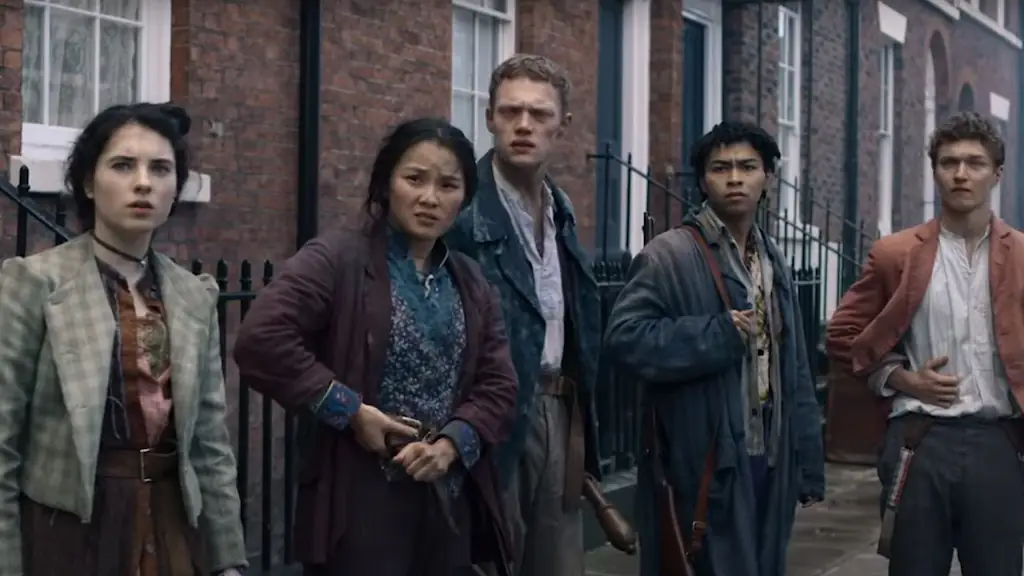
The Baker Street Irregulars that we see in the series aren't the same network of beggar children who are sent out by Sherlock in Arthur Conan Doyle's popular series.
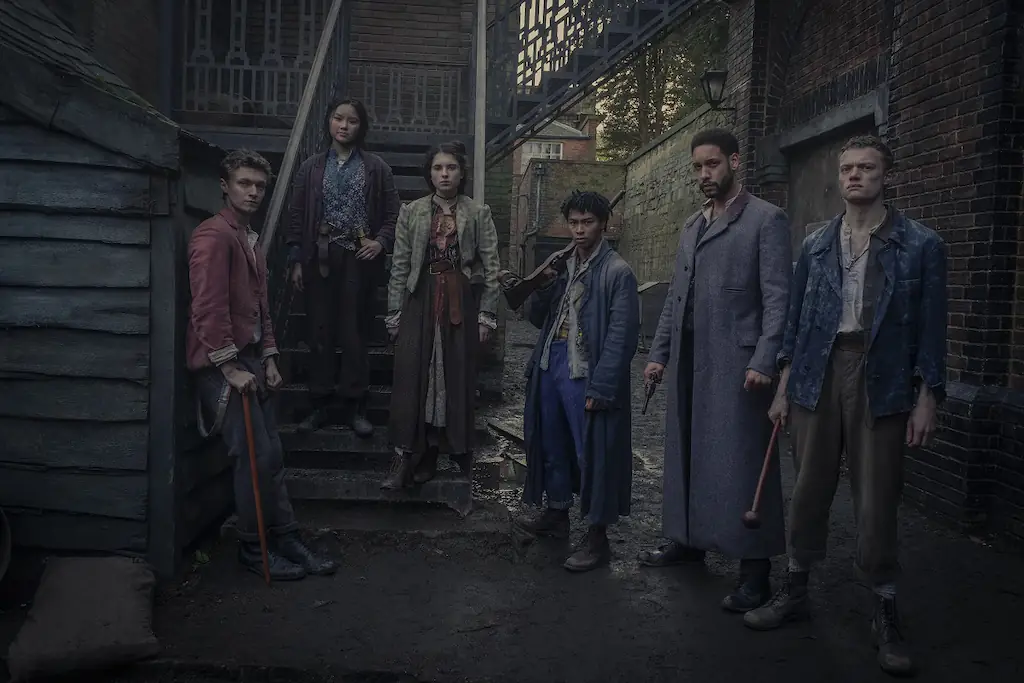
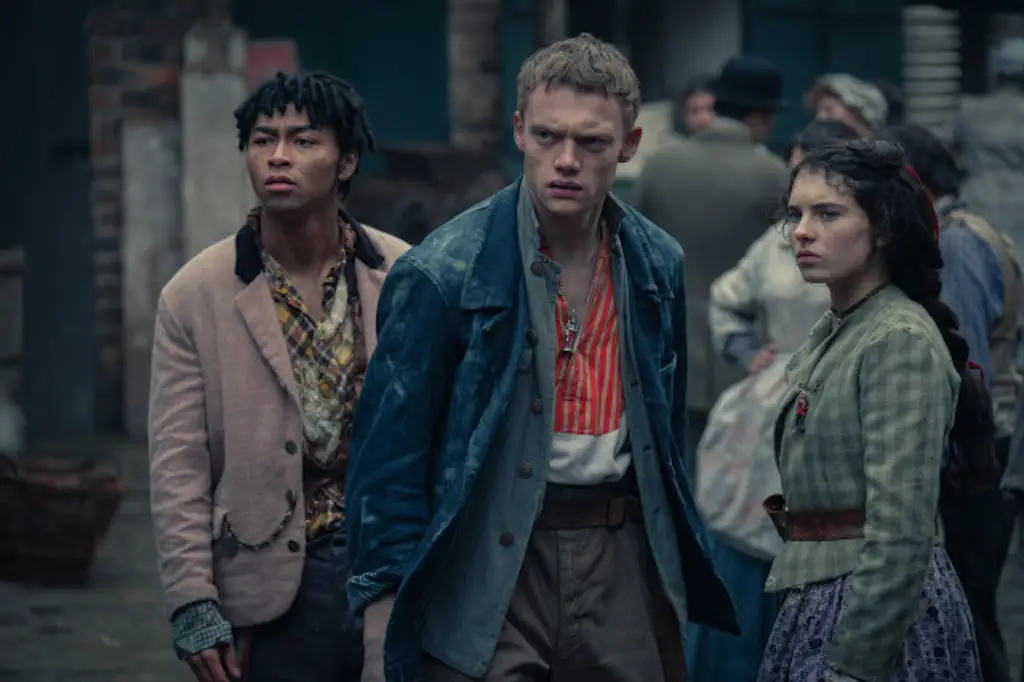
This time around they're led by his sidekick Doctor Watson, and there are just five of them; Bea, Jessie Billy and Spike, as well as royal Prince Leopold (who we'll get to later).
Watson enlists the unlikely heroes into a web of crime that as fantastical as it is horrifying – I mean, the first episode revolves around a baby snatcher who can literally kill you by summoning a murder of crows.
Some of the show is fact, some of it's fiction. But what's what? Let's find out...
1. Prince Leopold was a real person
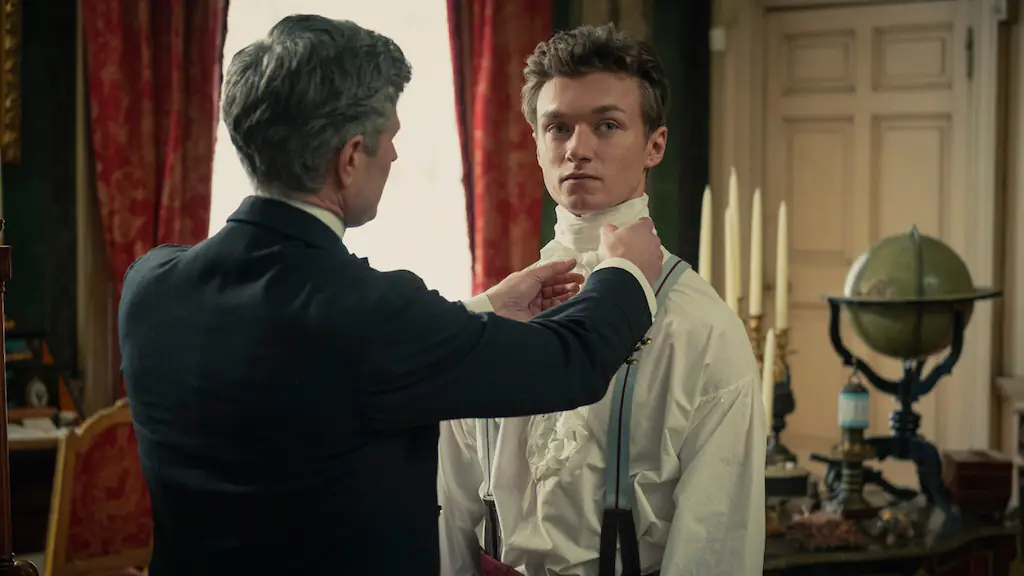
Prince Leopold is played by Harrison Osterfield in the Netflix series. In it, he is depicted as a member of the royal family who needs to be safeguarded due to his haemophilia – a life-threatening disease where your blood doesn't clot properly. He ends up running away after becoming increasingly frustrated while trapped inside in Buckingham Castle.
The character is, indeed, based on the real-life Prince Leopold, the Duke of Albany, who was born in 1853. He was the youngest son of Queen Victoria and Prince Albert, and there are some parallels between him and his fictional counterpart.
While he didn't flee the royal family to join the street urchins, Leopold did suffer from haemophilia, which he inherited from his mother – a carrier of the gene. As we see in the series, this meant that his life was incredibly limited; he was prevented from serving in the army, and had to spend a lot of time at home, immersed in academia.
As we see in The Irregulars, he married Princess Helena of Waldeck and Pyrmont from Germany. The pair had a daughter, named Alice, in 1883. He passed away aged 30 due to injuries relating to a fall, just before the birth of his son, Prince Charles Edward.
2. The Golden Dawn was real
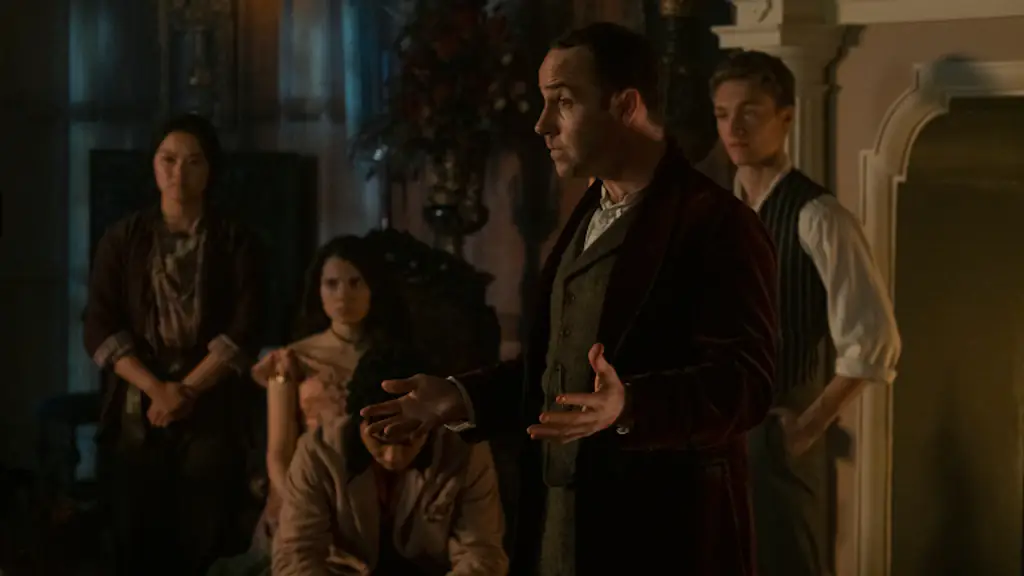
Episode three introduces The Hermetic Order of the Golden Dawn which was a real secret society. Founded by a trio of freemasons, named William Woodman, William Wynn Westcott and Samuel Mathers in 1887, their work was dedicated to studying the paranormal and occult.
They famously analysed a collection of documents called the Cipher Manuscripts that reportedly included spells for controlling the elements, lessons in alchemy, astronomy and the tarot.
While the real Prince Leopold was a freemason, he wasn't alive to see the creation of the Golden Dawn as he died in 1884, three years before its formation. But the society did have several famous members, including the actress Florence Farr and the poet William Butler Yeats. And although the creator of Sherlock, Arthur Conan Doyle, was rumoured to be a member, we have no evidence that he was actually involved.
Open to men and women alike, the Golden Dawn had over a hundred members by the end of the 19tth century. While it no longer operates today, some of its practices mimic those performed by followers of Wicca.
3. The origins of the bird faced monster
Jessie's character has a recurring nightmare that involves being hunted down by a terrifying figure that has the face of a bird. This was, in fact, a somewhat familiar memory to those living in Victorian London, thanks to the plague that beleaguered the city during the 16th and 17th centuries.
The bird faced monster represents the plague doctors that would attend to those infected with the bubonic plague. Many physicians of this kind wore a special costume consisting of a wide-brimmed hat, an ankle-length overcoat, and a hollow bird-like beak mask that was filled with strong-smelling substances, such as lavender and juniper, which were believed to ward away the disease.
Today, people often dress up as Plague doctors on Halloween as they continue symbolise death and disease. Spooky stuff!
4. Billy's scars
In the Netflix series, we quickly learn that the Irregulars (except Prince Leopold) grew up in London's infamous workhouses, which took centre stage in Charles Dickens' Oliver Twist.
The Workhouse was indeed a real Victorian institution, being the last resort for people in poverty. The conditions – as documented by Dickens– were horrendous and prison-like, with the poor, elderly and infirm being subjected to mistreatment, malnutrition and beatings.
Inmates were forced to do hard manual labour, such as crushing bone for fertiliser, and this included young children as orphans and abandoned kids ended up at the Workhouse by default.
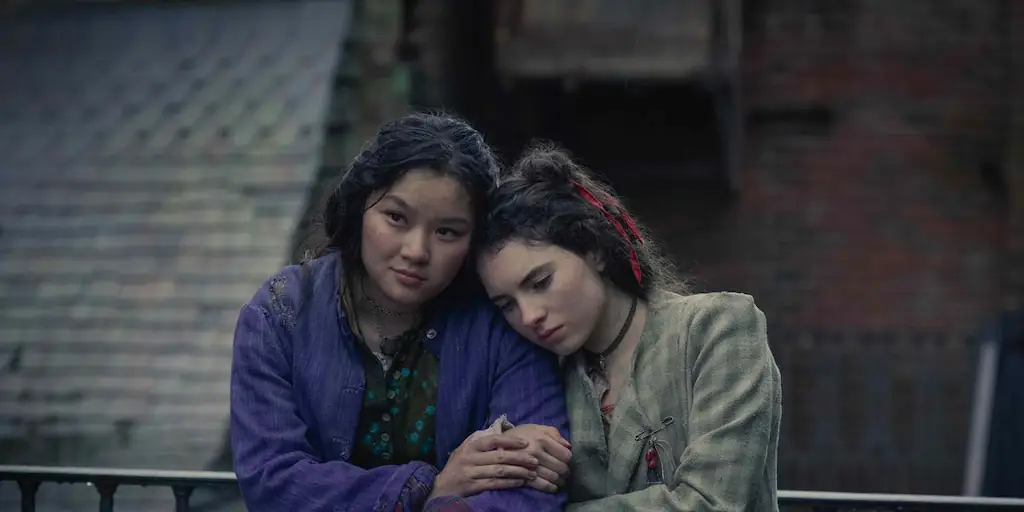
Billy was one of these children, and his time there is a likely explanation for his scars, which we first see in episode one. Later, Billy confronts the man from the workhouse that beat him and Bea.
5. The true story behind Bedlam
Towards the end of the series, we come across an asylum referred to as Bedlam. This is, of course, the notorious Bethlem Royal Hospital, which has inspired countless horror novels, films and television series.
It was England's first hospital for the mentally ill, and like most institutions of its time, it began with a religious order.
The hospital regime was notorious – both at the time and in today's popular culture – as chains, manacles and locks and stocks were used on patients, some of whom were just poor or suffering from learning disabilities or dementia.
The mortality rate was high, and "Bedlam" is still used as a symbol of how the mentally ill were stigmatised during a time when we had little education on the matter.
The Irregulars is available to stream on Netflix.
(Feature Image Credit: Netflix)