Not only is kleptomania largely misunderstood in society writ large, but sufferers of the disorder are also often silenced in fear of the stigma that is attached to it. Many people fail to recognise that those who are diagnosed as kleptomaniacs do not steal for personal or financial gain, rather they have an irresistible impulse to steal - and this is something which tends to stem from a previous emotional disturbance.
Popular culture, in particular, has a very two-dimensional perception of thieves and often tend to view them as "greedy"or "shallow", failing to realise that kleptomania is a serious impulse control disorder. So, in a quest to understand more about this rather mysterious disease, we heard from 14 real-life kleptomaniacs about what it's really like to live with this kind of problem...
1. This woman describes feeling "out of control"
2. This must be so awkward
3. Some describe it as a "thrill"
4. Sometimes kleptomaniacs alienate their friends
5. After a while, you can get really good at it
6. But it can destroy relationships
7. This person "wants help" but believes that "nothing works"
8. Some use petty reasoning to make themselves feel better about it all
9. Others find shoplifting borderline erotic
10. You don't need a reason to become a kleptomaniac
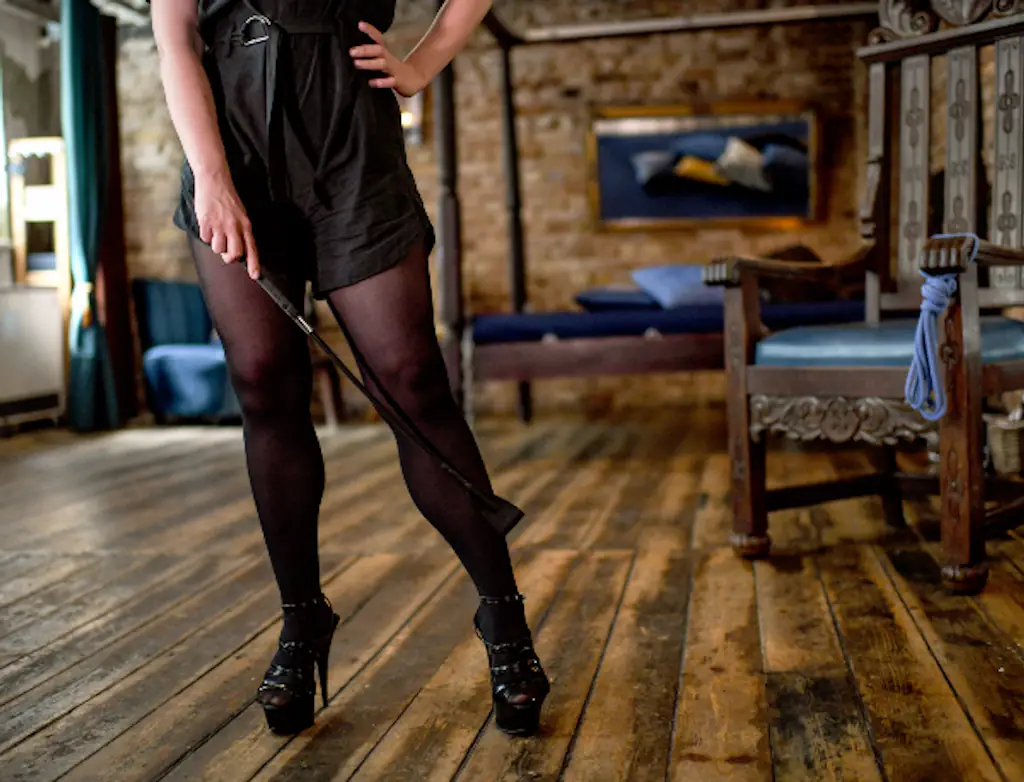
For those of you who are unaware, financial domination (or findom) is a subset of BDSM in which the submissive - sometimes referred to as a paypig or human ATM - willingly gives money and/or complete control of their entire finances to their dominant.
As reported in Vice, findoms are accountants, in a way, the only difference is that their clients derive sexual pleasure from having their money taken, and this is typically done entirely over the internet.
To gain an insight into this unusual fetish, VT recently spoke to a paypig about his findom fixation, and how he was able to explore it even in light of the problems caused by the ongoing pandemic.
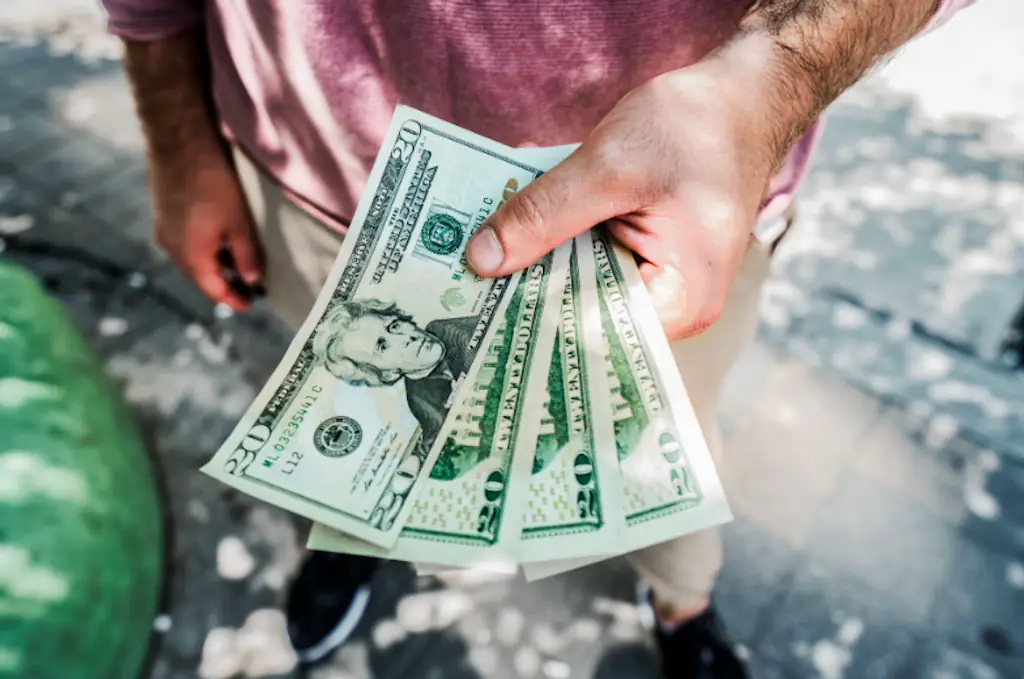
Watch a paypig hand over his money in a cash meet:
James* said that he always had submissive tendencies towards women from an early age, however, it was not until one fateful Twitter scroll that he discovered about findom.
"I saw a cash point meet video on Twitter, and it was like a whole new world had been shown to me, it just felt, unconsciously something I was craving for and was the right fetish for me," he revealed.
"I began looking into [it] a bit more, from reading articles to watching videos on YouTube, [and] I realized the feeling of being humiliated and talked down to by dominant women who happily take my money got me off like nothing else."
Gina Tonic, a domme and journalist, told VT that while money is a motivating factor for findoms, they should be just as motivated by the pleasure they get from dominating people.
"It's a balance of both! I wouldn't do it if there wasn't money involved but at the same time, the ego trip and power trip from having dominance over someone is thrilling," she said.
"It's a kind of joy you can only get from knowing someone would love to swallow your spit, lick your shoes, and then pay you for the pleasure. It's not always sexual but if you're not enjoying it, I don't think you should be a domme."
[[imagecaption|| Credit: PA Images]]
James began to explore his fetish by getting in touch with a few dommes and sending them "small tributes" to satisfy his needs initially.
"I arranged a Skype session with a particularly attractive financial dominatrix and she was an expert in 'edging' me so I wasn't allowed to [climax] untiltold.
"She had me continually buy items on her Amazon wishlist and send her money through cashapp until I had spent about £300 ($400).She just laughed as I sent [the money] and then allowed me to have a very expensive happy ending."
As many findoms operate online-only, James said that after a period of not sending tributes he "relapsed" because he had an excess of free time and began to get addicted to the practice.
"I saw a tweet by a Black domme asking for a 'white paypig to rinse', and the power dynamics appealed to me of having a dominant black woman take my money.
"I sent her a tribute and agreed to play spin a wheel game where an amount gets chosen and I had to send. Following the game, I had to send her £100 and it escalated from there."
[[imagecaption|| Credit: Pexels]]
James explained that he had another session with the domme where she took over control of his laptop.
"She instructed me to send her money while humiliating me and listening to songs like Cardi B's 'WAP' and Beyoncé's 'Run the World'.
"I think I roughly spent £600 in 15 minutes, which is a huge amount for me and I did a get a sense of dread after realizing what I'd done, but it was exhilarating.
"I did actually plead for some of it back afterward but she just said it makes up for the gender wage gap and to stop 'mansplaining' and even suggested I send another £50... Which I did.
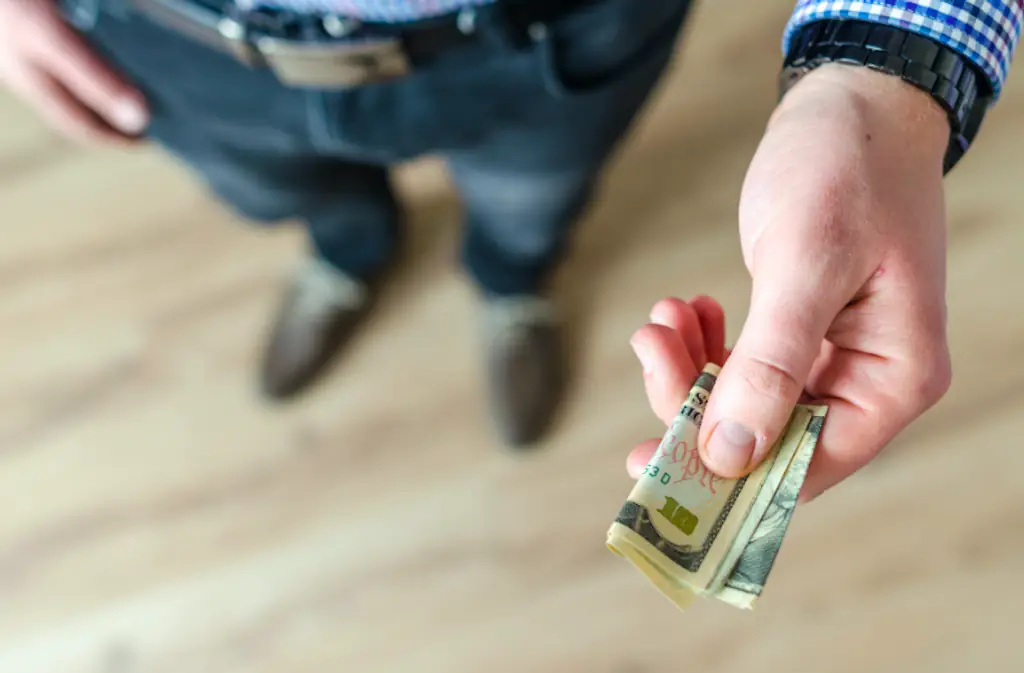
"I even had an [ATM] meet with her in London. We actually agreed on a £250 limit, but she entered £50 more which just excited [me], especially when I was in the actual presence of a domme. She withdrew the money, patted it on my head, and walked away."
[[imagecaption|| Credit: Pexels]]
While there is a risk of paypigs spending beyond their means on their kink, for James, that is all part of the appeal, and he said it is easier to justify sending money to a domme than purchasing an expensive lunch.
"The feeling turns into absolute existential dread when you realize [that] you just sent a huge amount of money for one orgasm but it's weirdly addictive."
"I have had fantasies about handing my entire paycheck to a domme, but I don't think I could do it. I actually bought a clip from a domme of her rinsing a young man of his entire monthly wage.
"I can totally understand when you're in that subspace which is brought by adrenaline and endorphins it's very difficult to say no to a dominant woman."
Hard limits are of the utmost importance in any BDSM relationship and James says that he negotiates these with his dommes prior to entering an arrangement that ensures he always has enough for rent, food, and essentials.
[[imagecaption|| Credit: PA Images]]
James explained that while lockdown has put a strain on most people's finances, at no point did he consider not exploring his fetish because he had savings from part-time jobs and a student loan.
Findom is a subset of BDSM which incorporates a number of other fetishes including humiliation, and James said that prior to becoming a paypig, he watched female supremacy porn so "findom was a natural progression".
James keeps his fetish for financial domination private, but "my domme does have personal Facebook and Instagram under the agreement that I must pay a pre-arranged amount to keep the sensitive information safe."
Even though James' fetish comes at a huge personal cost, he doesn't believe that he has the personality to become a domme and benefit in that way.
"[It takes] a very specific personality to be a successful domme, which is why you don't see that many male dominants. I've actually heard of stories about men who on go twitter as 'cash masters' but then just end up sending money to female dommes."
[[imagecaption|| Credit: PA Images]]
There is a specific protocol that paypigs must follow before messaging a domme and James advises sending an initial tribute.
"Find a domme who shares your interest and will have fun and really get involved," he said. "It is about HER, not you. This is so important but is also the hardest step to maintain."
However, not everyone has what it takes to be a good findom and James advises anyone considering the role to be truly authentic as it will help them to attract submissives.
"Get an initial tribute before speaking to a sub as there a lot of timewasters," he added.
On that note, Gina Tonic said the key to being a good findom is being ethical in your practice.
"It's too easy to take advantage of people's kinks to self serve and you hear horror stories about people spending their life savings on doms," she said. "So I think making sure your sub isn't hurting their welfare when tributing is so so important.
"Not too much or too little is key and really delving into what your sub wants from it. Developing a relationship will not just get you more money, but get them off more and make the dominant bond more strong.
"But never forget to make sure they know you're boss and should get whatever you want (and deserve). I think a findom should be dominating in all ways, not just asking for money then blocking when you get it (though some little piggies do want that)."
When you think of people who use magic mushrooms, it'd be fair to say that the common depiction would be a pretty flamboyant character.
You think of a tie-dye t shirt, some dreadlocks maybe, and 100% someone that knows way too many conspiracy theories regarding why drugs are illegal and how drinking pints is actually more dangerous. However, while we tend to think of magic mushrooms mainly being a recreational psychedelic drug, it turns out they may have some serious benefits.
According the a new study into the therapeutic benefits of psychedelics, magic mushrooms could effectively "reset" the activity of the brain circuits known to play a key role in depression.
In a number of clinical trials across the last decade, psychedelics have shown promising results in terms of acting as a treatment for those suffering from depression and addiction. Imperial College London researchers used psilocybin - a compound that occurs in magic mushrooms naturally - to treat a number of patients who had been suffering from depression, monitoring their brain functions before and after taking the compound.
In the images produced of their brains during the experiment, there was evidence of activity that was associated with marked and lasting reductions in the depressive symptoms that participants were suffering from. Those who took place in the testing said that they felt the benefits of the trial for up to five weeks after treatment.
Dr Robin Carhart-Harris, head of psychedelic research at Imperial, who led the study, said: "We have shown for the first time clear changes in brain activity in depressed people treated with psilocybin after failing to respond to conventional treatments."
"Several of our patients described feeling ‘reset’ after the treatment and often used computer analogies. For example, one said he felt like his brain had been ‘defragged’ like a computer hard drive, and another said he felt ‘rebooted’."Psilocybin may be giving these individuals the temporary ‘kick start’ they need to break out of their depressive states and these imaging results do tentatively support a ‘reset’ analogy. Similar brain effects to these have been seen with electroconvulsive therapy."
Immediately after following the treatment, patients reported a decrease in their depressive symptoms, with them citing an improvement in their mood and stress relief.
MRI imaging of the brain revealed that there was reduced blood flow in areas of the brain, including the amygdala, a region known to be involved in the procession of emotional responses such as stress and fear.
The research isn't the first of its kind, last year two US studies showed that a single dose of psilocybin could lift anxiety and depression symptoms within cancer patients for six months or even longer.
The researchers from Imperial College acknowledge that the significance of their experiment is limited, citing reasons such as their small sample size and the absence of a placebo group for comparison. They also stress that patients shouldn't attempt to self-medicate, obviously.
Professor David Nutt, senior author of the paper and director of the neuropsychopharmacology unit in the division of brain sciences, said: "Larger studies are needed to see if this positive effect can be reproduced in more patients. But these initial findings are exciting and provide another treatment avenue to explore."
The authors now plan to test psilocybin against a leading antidepressant in a trial that is set to start early next year.
It's pretty interesting stuff it must be said. Although, if you are struggling from depression, I highly recommend you seek help before you start taking magic mushrooms.
All throughout pop culture, there are plenty of examples of victims that are widely celebrated for effectively failing to get over their problems.
Yes, we fantasize about the idea of beating up deserving criminals in a latex flying rodent costume, but would we love Batman half as much if Bruce Wayne's parents weren't murdered in an alleyway in front of his prepubescent eyes? No; that would just be some rich guy beating up the mentally ill. Nobody wants that, right?
In real life, there are plenty of victims of many atrocities that deserve our help and empathy, but there are a far-too-large number of people who like to manipulate others into feeling sorry for them. Some people find it hard to admit that they play the victim, but here are a few who understand who they are, what they do, as well as shine a light onto why exactly they do it.
1. It's an understandable fear
2. Our life experiences help to shape the people we are, for better or worse
3. It can be pretty useful for getting out of trouble
4. Some are pretty remorseful over their habits
5. Others need help getting over their tendencies
6. Some have even been forced into the role by others' expectations
7. Sometimes, it's the easiest way to get your way
8. It can be a toxic, but effective, way of communicating
9. Sometimes, all we want is to be treated equally
10. Playing the victim can sometimes be the best way to deal with other difficult people
11. Sometimes, the victim is just misunderstood
12. It can even be a means of self-preservation
13. Epiphany
14. Nobody wants to feel like a bad person
15. It's important to recognise the patterns
16. Sometimes, it's just out of spite
17. There's always time to change your ways
18. Roleplay at its finest
19. Hopefully you've learned your lesson
Whether it's to manipulate others, gain sympathy or simply as a defence mechanism following traumatic times in our lives, the temptation to play the victim resides in all of us. You may not agree with all the motives listed above, but you might be able to empathise with these people dealing with life in the best way that they can.
Picture the end of your relationship. It could be something you've expected for weeks, months, even years. Or it could come as suddenly and unexpectedly as a heart attack. Imagine your significant other with someone else. It's not a pretty picture, is it? Think of the betrayal and the hurt that comes with the thought of your partner in someone else's arms. It's a trauma so damaging that some people never regain their trust, and it can do irrevocable harm to future relationships. Yet millions of people around the world are unfaithful to their partners every year.
Why is this? Our popular perception of cheating tends to be influenced by the melodrama of soap operas; we often view it as a secret and clandestine act of unbridled passion. But by the same token, it's assumed that only those who are unhappy and dissatisfied with their current relationship cheat, and that flirting with other parties is merely a method of expressing underlying angst or emotional strife, a form of compensation for the entitled.
Similarly, cheaters are invariably portrayed as callous and sociopathic, undeserving of forgiveness or a modicum of understanding. Yet a Victoria Milan survey by Dr Helen Fisher determined that 54 per cent of men and 34 per cent of women who cheated stated that they were "very happy" with their current relationship, despite their indiscretions. So it's clear that our assumptions about cheating might be wrong.
What is it that motivates people to break the social contract? Why do good people, people who are otherwise caring parents, loyal friends and model citizens, screw around behind the back of their loved ones? Is it always a conscious choice between dishonesty and the truth, between love and lust? Or is cheating deterministic? Are cheaters simply automatons governed by a jerry-rig of hormones, passion and animal psychology? Science has been investigating the motivations behind serial adultery and chronic cheaters, and the results are intriguing.
[[youtubewidget||https://www.youtube.com/watch?v=mqQf4Sg1g9w]]
Scholars from the University of California, Los Angeles Centre on Behavior, Culture, and Evolution and the University of New Mexico have determined that women's hormones play a part in cheating. According to a study published in the Journal of Hormones and Behavior, surveyed women were more likely to cheat when they are ovulating, but that ovulation typically only led to cheating if their partners were not sexually active enough. In couples that had sexual intercourse more often, the fertile women were content to stick with their partners.
In light of this data, co-author Elizabeth Pillsworth stated: "Women who are most attractive are most fertile, and they also tend to be the targets of other men to steal them away. I hope the message women get is that they can use this information to realise their biology is toying with their desires and to ask themselves, 'Am I going to let that run my life, my sexual decision-making?'"
By contrast, men are more likely to cheat as a result of what they perceive to be an important milestone: they are just as vulnerable to their body's internal clock, but this has more to do with ageing than a menstrual cycle. In 2014, researchers observing male activity on Ashley Madison, the infamous dating site for people seeking affairs, and discovered that men were more likely to seek extramarital affairs when their age ends in the number nine or the number four: so it seems as though a mid and quarter-life crisis plays a part in the way males seek alternative sexual outlets.
Some scientists believe that genetics may play a part in the way we conduct our sexual dalliances and that the way our genes are coded explains how some people end up hooking up. A study from the University of Queensland, published in the journal Evolution and Human Behavior, determined that infidelity is more common among people with specific types of oxytocin and vasopressin receptor genes.
Vasopressin is a hormone which is often released into the hypothalamus gland, and which plays an important part in human social behaviour, sexual motivation and pair bonding. People with developed vasopressin receptors are more inclined to be loyal and trusting, and dependent on their partners. Those with dampened hormonal receptors will experience vasopressin less intensely than others, making them more promiscuous and daring when it comes to sex, but also less attached to their partners and more inclined to cheat.
Dopamine, also known as the "pleasure hormone" also plays a part in determining innate fidelity. This neurotransmitter is released into the bloodstream during or after we participate in things that provide us with pleasure, such as exercising, eating, laughing, playing video games, and most importantly for our purposes, during sexual intercourse at the point of orgasmic release.
Research has determined that those of us possessing long-alleled dopamine receptors are approximately 50 per cent more likely to cheat on their partners than people born with short-alleled dopamine receptors, who have been recorded to cheat around 20 per cent of the time. Not only this, but it has been observed that people with long-alleled dopamine receptors are bigger risk-takers, are more likely to indulge in thrill-seeking behaviours and likely to become addicted to the illicit sex and excitement that cheating provides them.
In times gone by, when marriage was a solemn oath taken under religious observance, cheating was the last recourse of the desperately unhappy or those with no self-respect. But in the 21st century, where marriage is a more liberal institution that it has ever been, cheating is no less widespread. Infidelity occurs in bad relationships and in good ones. It even happens in open relationships where the terms of sex are negotiated beforehand, and the widespread prevalence of social media means that it is easier than ever for people to keep in touch with those they harbour sexual feelings for.
There are common behaviours and external factors which motivate men and women to cheat, but ultimately it seems as though no matter how biologically or psychologically inclined you are to cheat, every single person in a relationship still has the agency to choose whether to do so.
Featured illustration by Egarcigu
Being caught shoplifting is pretty mortifying. I can remember when I was a schoolboy, being dared by my friends into stealing a Snickers bar. I didn't want to look like a wuss, so I sidled up to one of the shelves in the newsagents, grabbed the first bar I could reach, and stuffed it into my pocket.
Unfortunately, when it came to the subtle art of purloining, I wasn't exactly the Artful Dodger and was caught red-handed by the proprietor almost immediately. I'll never forget the burning shame I felt when I was being reprimanded, and I haven't stolen anything else since that fateful day.
However, as embarrassing as that thwarted heist was for me, it's nothing compared to this thief, who was caught on CCTV stealing a particularly NSFW item from an adult shop this week.
The toe-curling footage in question comes from the BeDaring Adult Shop in Caboolture, north of Brisbane, which uploaded a security footage clip on Saturday morning, showing the thief - wearing bright pink sneakers, a baseball cap, and a black t-shirt with green lycra sleeves - managing to furtively snatch a 7.5 inch dildo, a sex machine stand, and several other accessories from the store, before making a hasty getaway.
The shop owners quickly uploaded the video to social media, and captioned the clip: "This person was in such a hurry in his fresh AF pink kicks, he forgot to pay for a 7.5'' (sex toy) and a sex machine stand on his way out of our Caboolture store."
Local law enforcement claims that they're still looking for the man in question, but if you or anyone you know has any information regarding his identity, then please don't hesitate to contact Crime Stoppers on 1800 333 000.
Let's help bring this particularly randy thief to justice.