Uncategorised5 min(s) read
Could magic mushrooms be the key to curing depression?

Depression is one of the most pervasive health issues affecting the modern world and a shocking proportion of people are affected by it. It says much about the social stigma surrounding mental illness that suicide rates, anxiety attacks and other problems associated with depression are not treated with as much seriousness or concern as other physical maladies. For those who have never experienced depression before, or are unfamiliar with this profoundly debilitating mental state, then allow me to explain.
Put simply, depression occurs when the brain is unable to manufacture serotonin, the hormone which governs human happiness. Depression is far more damaging than unhappiness or sadness. It's a feeling of morbid self-disgust, guilt, weariness and hopelessness. Chronically depressed people experience a number of side effects as a result of this unintentionally self-inflicted anguish: a weakened immune system, loss of appetite, social isolation and insomnia.
The rates of depression among the general populace speak for themselves. It can affect people of any age, gender or demographic; the National Institute of Mental Health has estimated that 16 million American adults suffered from depression in 2012 and, according to the World Health Organisation, approximately 350 million people suffer from depression worldwide. It's clear that we need to find some way of dealing with this crisis, and that our current model of treatment - prioritising antidepressants over therapy - is inadequate for the task at hand.
Yet now it appears that researchers may have found a potential miracle cure, which they claim could heal depression in those suffering from it. But what's strange is that this cure comes from a very unlikely source: hallucinogenic magic mushrooms. Scientists from Imperial College London have discovered that psychoactive fungi are capable of "resetting" depressed brains to their default state. In a paper published in the medical journal Scientific Reports, researchers showed MRI scans of depressed brains, prior to magic mushroom treatment, and then showed other scans after treatment. The images showed a change in brain activity that was indicative of a reduction in major depressive symptoms.
Commenting on his findings, Dr Robin Carhart-Harris, who co-authored the study, stated: "We have shown for the first time clear changes in brain activity in depressed people treated with psilocybin after failing to respond to conventional treatments, Several of our patients described feeling ‘reset’ after the treatment and often used computer analogies. For example, one said he felt like his brain had been ‘defragged’ like a computer hard drive, and another said he felt ‘rebooted'. Psilocybin may be giving these individuals the temporary ‘kick start’ they need to break out of their depressive states and these imaging results do tentatively support a ‘reset’ analogy. Similar brain effects to these have been seen with electroconvulsive therapy."
Dr Carhart-Harris added: "Through collecting these imaging data we have been able to provide a window into the after effects of psilocybin treatment in the brains of patients with chronic depression. Based on what we know from various brain imaging studies with psychedelics, as well as taking heed of what people say about their experiences, it may be that psychedelics do indeed 'reset' the brain networks associated with depression, effectively enabling them to be lifted from the depressed state."
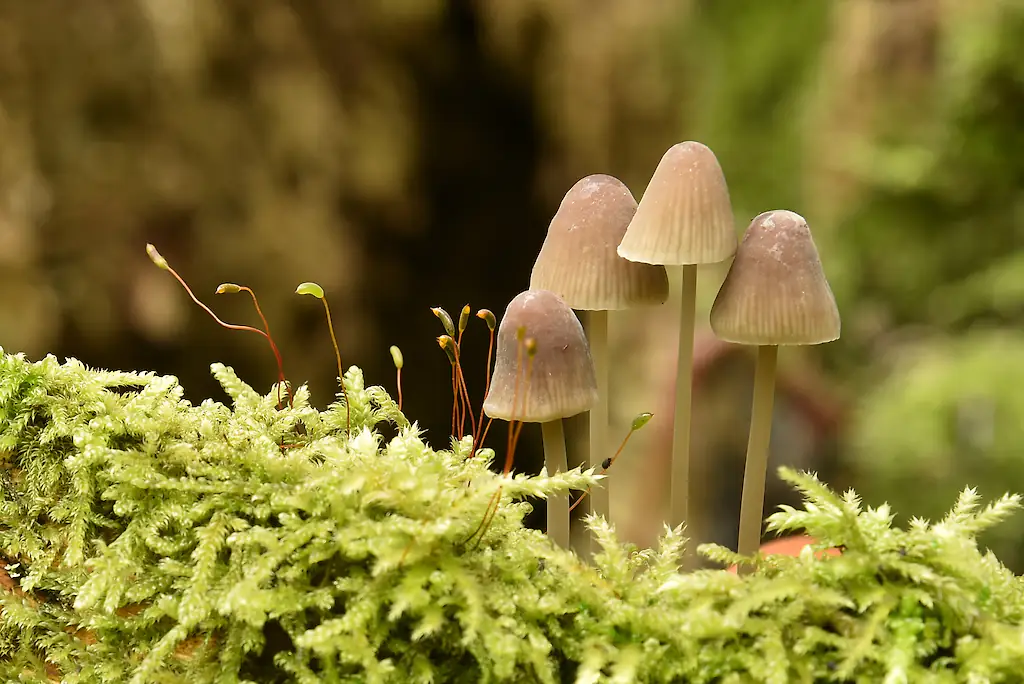
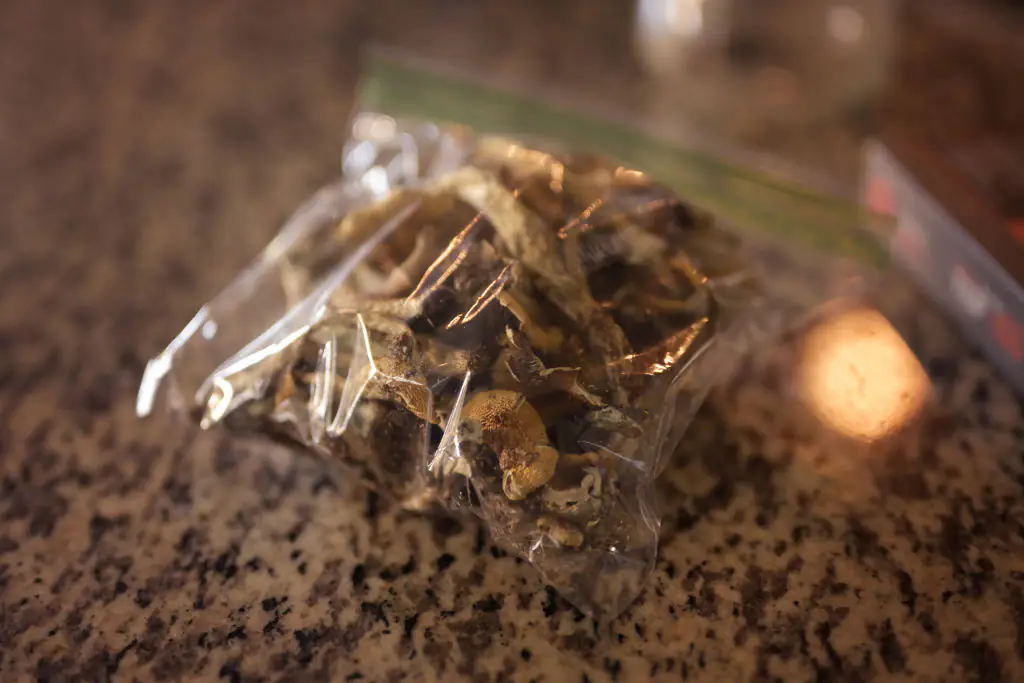
Many species of fungi belong to the genus Psilocybe and are capable of provoking hallucinations because they contain the psychotropic tryptamines psilocybin and psilocin, or lesser psychotropic compounds such as baeocystin or norbaeocystin. Each psilocybe mushroom consists as much as 0.2 to 0.4 per cent psilocybin. According to the 2003 National Survey on Drug Use and Health conducted by Substance Abuse & Mental Health Services Administration, approximately eight per cent of adults over the age of 26 in the United States have used magic mushrooms before.
Magic mushrooms work by acting on neural highways in the brain that use the neurotransmitter serotonin. A 2012 study conducted by Imperial College London neuroscientist David Nutt determined that psychotropics of this nature were capable of breaking down neural connections in the brain, allowing people who have taken them to build new ones and thus restart their thinking process.
Indeed, in terms of prescribed treatment, this is exactly what cognitive behavioural therapy aims to achieve: to make patients who may be suffering from depression apply critical thinking skills to their own pessimistic fallacies and illogical thinking. However, Nutt stated that "larger studies are needed to see if this positive effect can be reproduced in more patients. But these initial findings are exciting and provide another treatment avenue to explore."
Certain forms of depression and anxiety are exacerbated when sufferers get stuck compulsively converting their bad feelings into thoughts, and then over-emphasise the importance of these thoughts, instead of experiencing them directly. This can cause bad biofeedback that heightens stress responses instead of dissipating them. Learning to focus on emotions, such as those stimulated by hallucinogens, without forming thoughts about them can help restore the positive biofeedback capacities of the mind.
However, some experts are sceptical about the results of the study and have opined that magic mushrooms might be an impractical solution to the issue. Some psychiatrists have expressed reservations and believe that a bad trip or negative experience with psychoactive fungi could exacerbate mental issues and leave patients feeling even worse. Although magic mushroom treatment would work via "microdosing" (i.e. incremental doses of the drug delivered gradually over time) there is a risk that human error could end up causing extreme harm to those going through a course of treatment. Others have voiced fears that ingesting magic mushrooms could lead to other side-effects if interacting with patients who have already been prescribed SSRI antidepressants, such as Xanax, Citalopam or Fluoxetine.
However, despite these professional misgivings, it's clear that this research has proved extremely illuminating, and proves that, despite the negative way in which these drugs are often presented, they offer incredible insights into the workings of the mind, and we still know very little about the true extent of their beneficial properties. If you or anyone else you know is afflicted by depression then please do not hesitate to seek help from a general practitioner. If you are seeking advice and guidance then please contact the Samaritans on 116 123.
Featured illustration by Egarcigu