For the purpose of this article, I will be focusing primarily on mixed-race individuals with an experience that mirrors my own; a black parent and a white parent.
Representation of people from ethnic minority backgrounds in film and television has been a recurring topic for some years now.
And what has been unsurprising to me as someone who has a German mother and a Zambian father is that biracial people are often overlooked in any discussion on diversity.
It’s unsurprising because it's what I'm accustomed to - but that doesn't make it any less frustrating.
It mostly boils down to the fact that in almost every society, the concept of being mixed-race just isn’t really a "thing". To most people, race is quite literally a black-and-white concept, with no middle ground, no nuances, or grey areas.
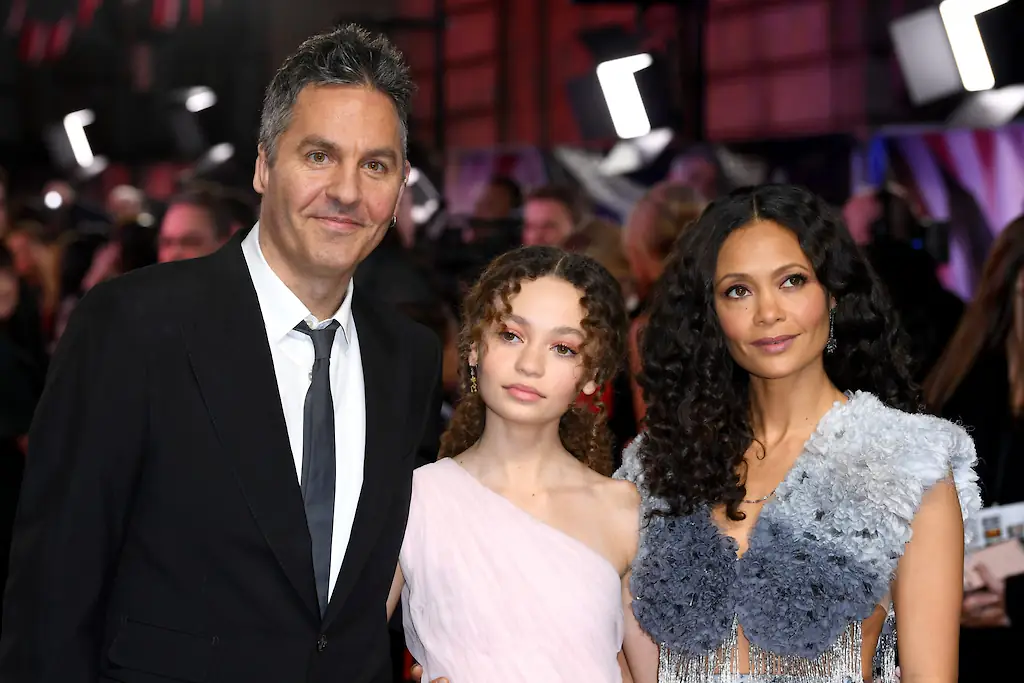
British actress Thandie Newton, who is half English/half Zimbabwean, pictured with her husband, Ol Parker, and their daughter, Nico Parker. Credit: PA Images People with any black heritage are often conflated into one single category as though we were all just one homogenous group - with no individual backgrounds and continents of origin.
Did you know, for example, that Nicki Minaj (real surname: Maraj) is of part-Indian descent? I'm guessing not.
And incredibly, despite mixed-race individuals being one of the fastest-growing minorities, there still wasn't a "mixed-race" category in the most recent US census of 2010.
Society's constant dismissal of "mixed-race" as a racial identity meant that growing up, the characters in the mostly American TV shows and films I watched were never mixed-race.
And why would they be? After all, there's no such thing as being half black and half white, right?
Now, I don’t mean to say that biracial actors were never cast. However, even when the actors themselves were mixed-race, the actual characters they played were not. That is, their onscreen parents would not be portrayed by a black actor and a white actor.
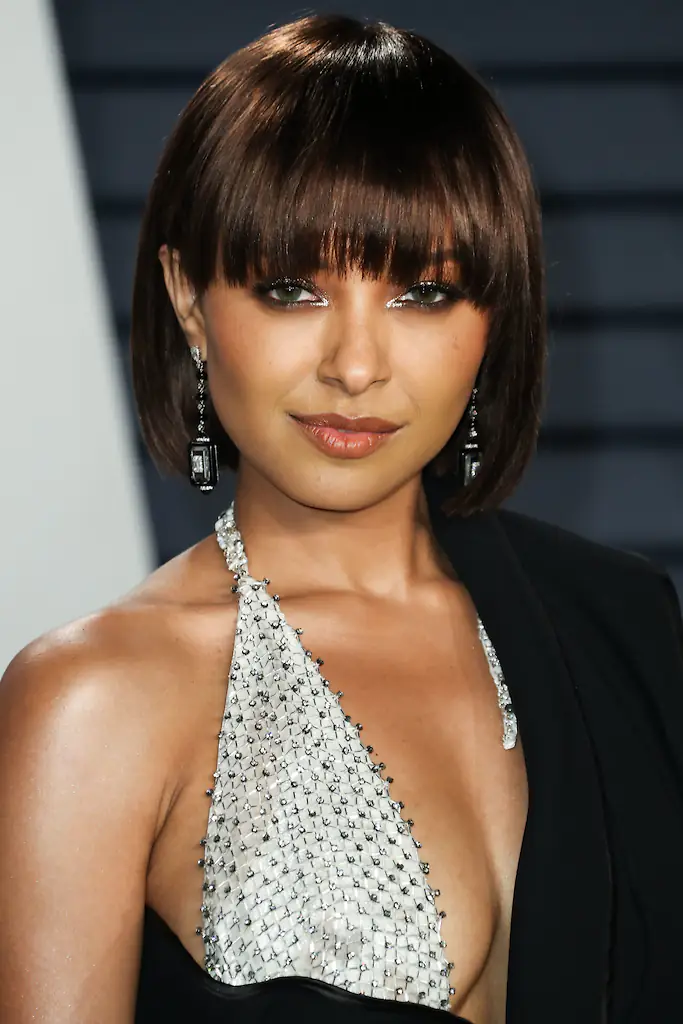
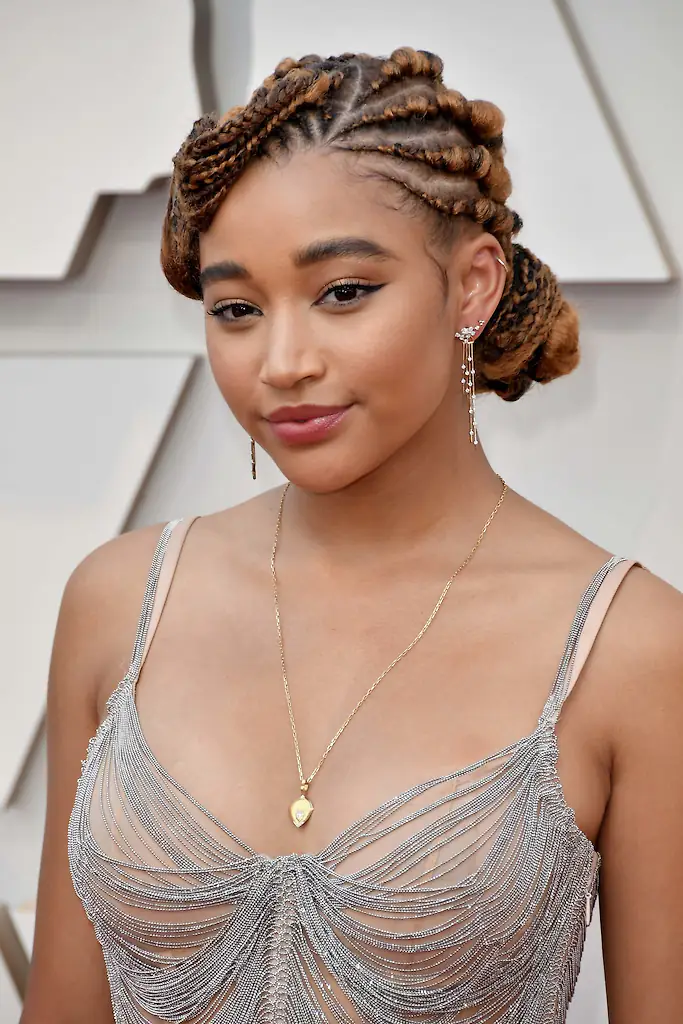
Kat Graham arrives at the 2019 Vanity Fair Oscar Party held at the Wallis Annenberg Center for the Performing Arts on February 24, 2019. Credit: PA In fact, as far as I can remember, the first time I'd ever seen a specifically half black/half white character in a mainstream American movie was in 2011's Bridesmaids when I was 17 years old.
In a fleeting moment at the engagement party of bride-to-be Lillian (Maya Rudolph), the camera briefly pans over to her parents, a white mum, and a black dad. (Yes, mixed-race representation really is that simple.)
So to clarify, I had seen just one mixed-race character in an American film before the age of 18 - and plenty of American films and TV shows in which biracial actors were cast not to play biracial characters.
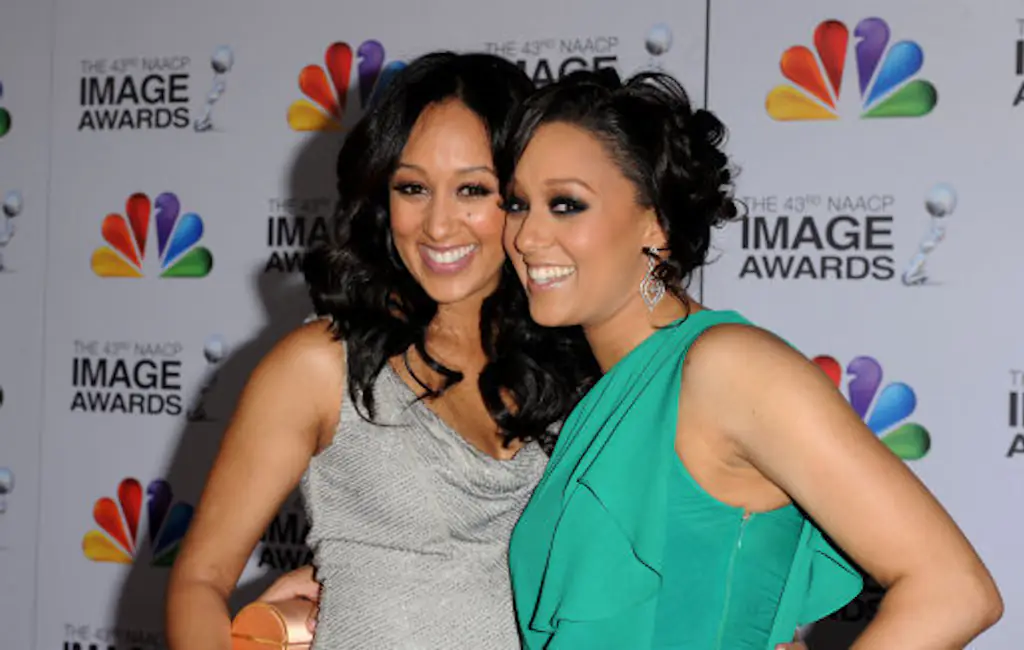
Tia and Tamera Mowry rose to fame in 1994 portraying twin sisters on Sister, Sister. In real life, they have a black mum and a white dad. Credit: PA Images These are just some of the many, many mixed-race actors who rarely - and for most of them, never - play mixed-race characters: Oscar-winning actress Halle Berry
Clueless' Stacey Dash
High School Musical's Corbin Bleu
The Cosby Show's Lisa Bonet
The Fresh Prince Of Bel-Air's Karyn Parsons
Recently cast live-action Tinkerbell Yara Shahidi (Black and Iranian)
The Vampire Diaries' Kat Graham
My Wife and Kids' Parker McKenna Posey
The Hunger Games' Amandla Stenberg
Precious' Paula Patton
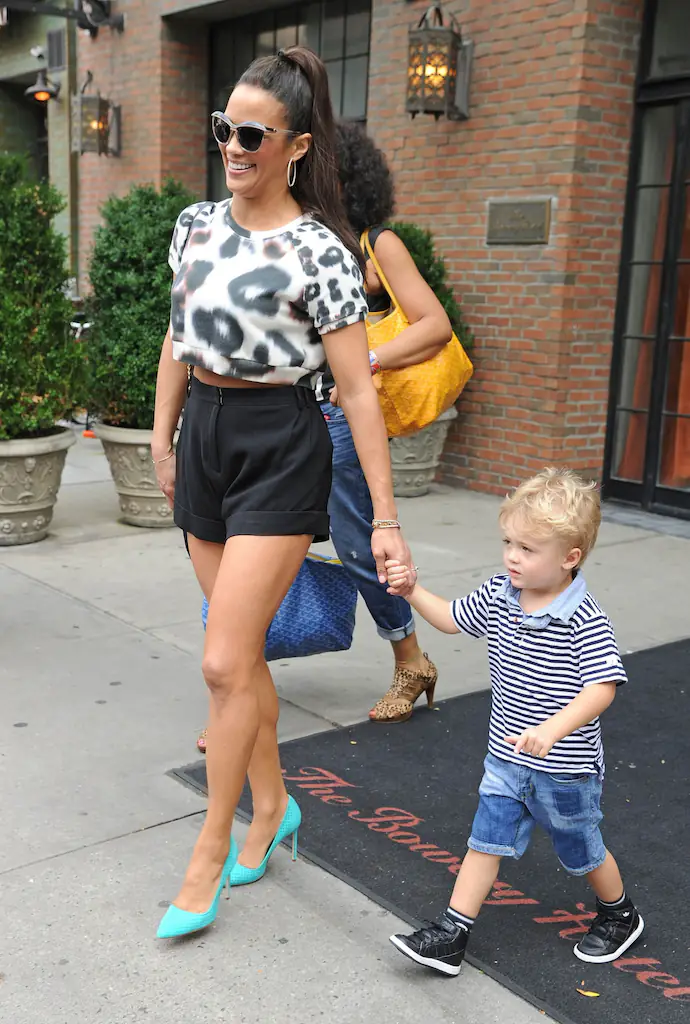
Paula Patton - an actress born to a white mother and black father - pictured with the son she shares with 'Blurred Lines' singer Robin Thicke. Credit: PA Images So, why is it that almost every single time a mixed-race actor is cast in a role, they suddenly cease to be mixed-race?
Is it somehow offensive to portray a character as being the child of both a black parent and a white patent?
Is it somehow ludicrous of me to think that my own mum (who happens to be white) is just as much a part of me as your mum is a part of you?
Or is she really as irrelevant to my life, my existence, and my ethnicity as Hollywood would have me believe?
The influence of film and television should never be underestimated. And I honestly believe that the lack of mixed-race characters in Hollywood has led to widespread ignorance about real-life mixed-race people.
In fact, our society is so accustomed to believing that mixed-race people are black only, that people are actually shocked (and this is based on my own personal experience) when it turns out we have a white parent as well as a black parent.
Even in cases where our skin tones and features are evidently a mixture of our darker-skinned parent and our lighter-skinned parent.
Amandla Stenberg had her breakthrough role aged 14 as Rue in The Hunger Games. She is of African-American and Danish parentage. Credit: PA Images I grew up watching - or at least being aware of - "white family sitcoms" like Full House and Modern Family, as well as "black family sitcoms" like The Cosby Show and The Fresh Prince of Bel-Air.
But where were the black and white family sitcoms?
The short answer is there weren't any. In fact, until 2019's premiere of ABC sitcom Mixed-ish, I can confidently assume there had not been a single one.
On a more positive note, I would say that film and TV in the UK - specifically in England - tends to be a lot more inclusive of mixed-race people.
While there are nowhere near as many sitcoms and blockbusters in the UK, there are many popular, long-running soaps such as Eastenders, Hollyoaks, Emmerdale, and Coronation Street.
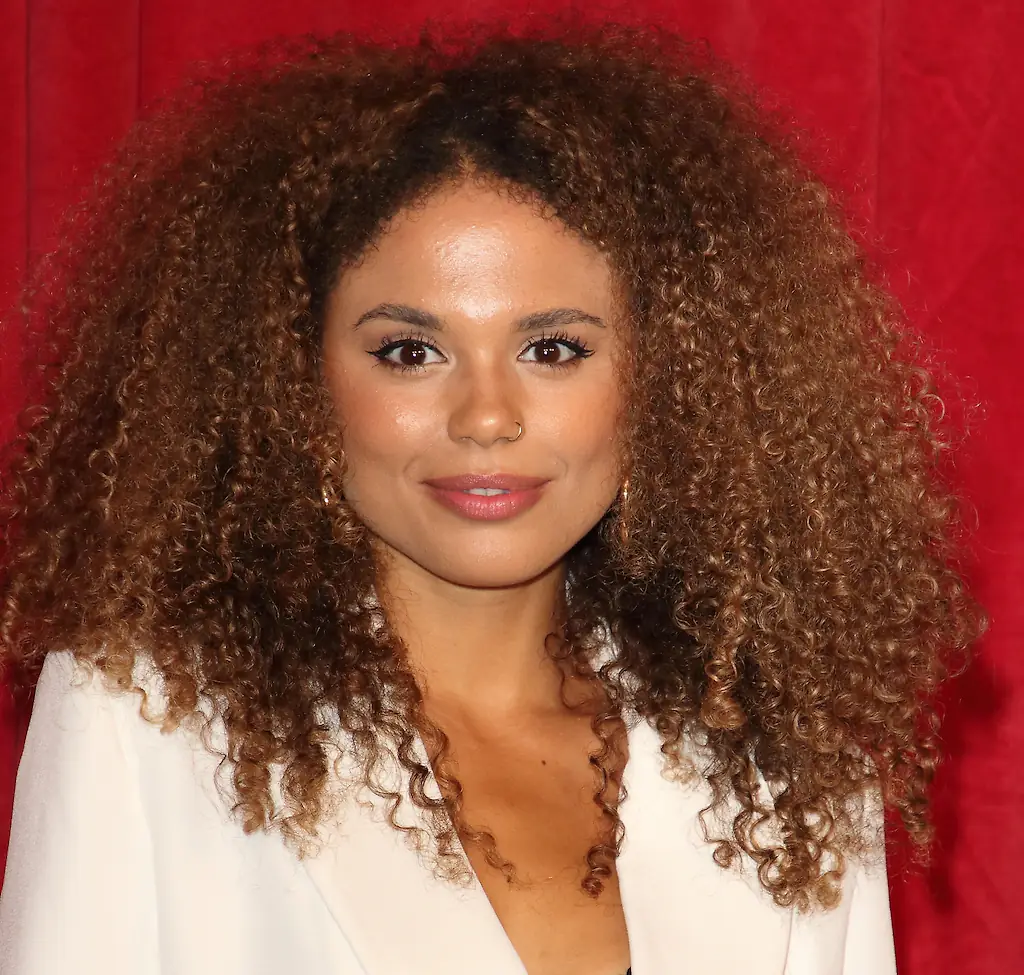
Eastenders actor Jessica Plummer arrives on the red carpet during The British Soap Awards 2019 at The Lowry, Media City, Salford in Manchester. Credit: PA Images In many UK soaps, there have been a number of half black/half white actors playing mixed-race characters. These include Hollyoaks' Dominique Jackson and Chelsee Healey, and Eastenders' Jessica Plummer and Belinda Owusu.
Sitcoms such as Chewing Gum and Sex Education have also featured mixed-race characters.
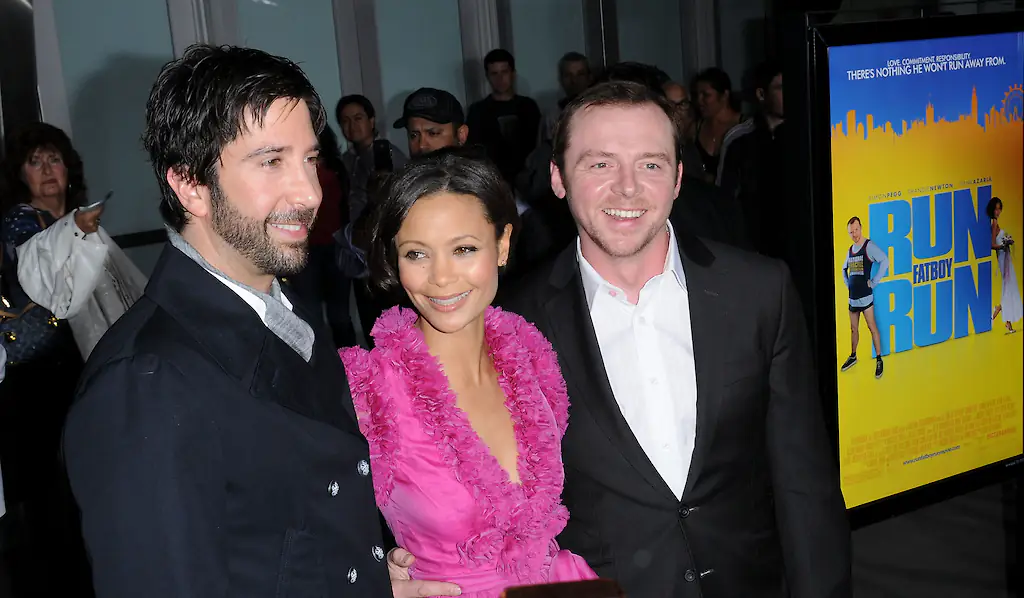
And 2007's Run Fatboy Run is one example of the UK's comparatively small overall film output, which happened to feature a mixed-race character in the main cast, played by Thandie Newton.
Director David Schwimmer, from left, Thandie Newton, and Simon Pegg arrive at the 2008 premiere for Run Fatboy Run, held at the Arclight Theatre in Hollywood, California. Credit: PA Images I should point out, though, that these are primarily London-based productions and they certainly don't signify that half-black people are recognised as mixed-race in the UK as a whole.
But the point is, if mixed-race characters can be included in UK-based programs, there’s no reason why that shouldn’t be the case in the US. Particularly as the US is a much bigger country with a much more substantial film industry.
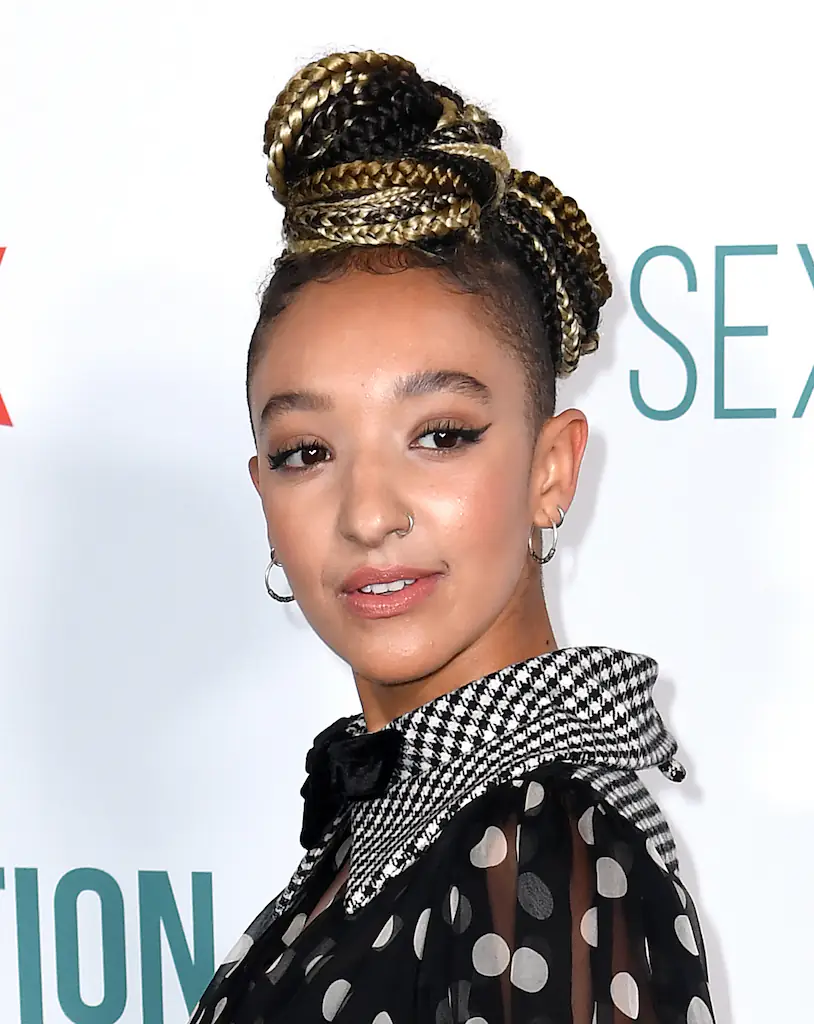
Sex Education's Patricia Allison plays Ola Nyman, a character with a Swedish father, played by Mikael Persbrandt. Credit: PA Images Part of the reason that being mixed-race isn’t considered a feasible concept in the US is that "full" African Americans themselves tend to have varying amounts of European ancestry - mostly tracing back to the days of the transatlantic slave trade.
In fact, according to The New York Times, scientists have found that around 16.7% of the average African American's ancestry is European in origin.
Now, we don’t consider the average African American to be mixed-race even when they do have non-African ancestry, so why differentiate simply because a member of the community happens to have a white parent?
I would argue, however, that this fact does not have to mean that mixed-race people (that is, those with parents of different races) should not be portrayed as just that - mixed race.
And unless it's due to a personal dislike of interracial families - I don't really see how you could argue against it.
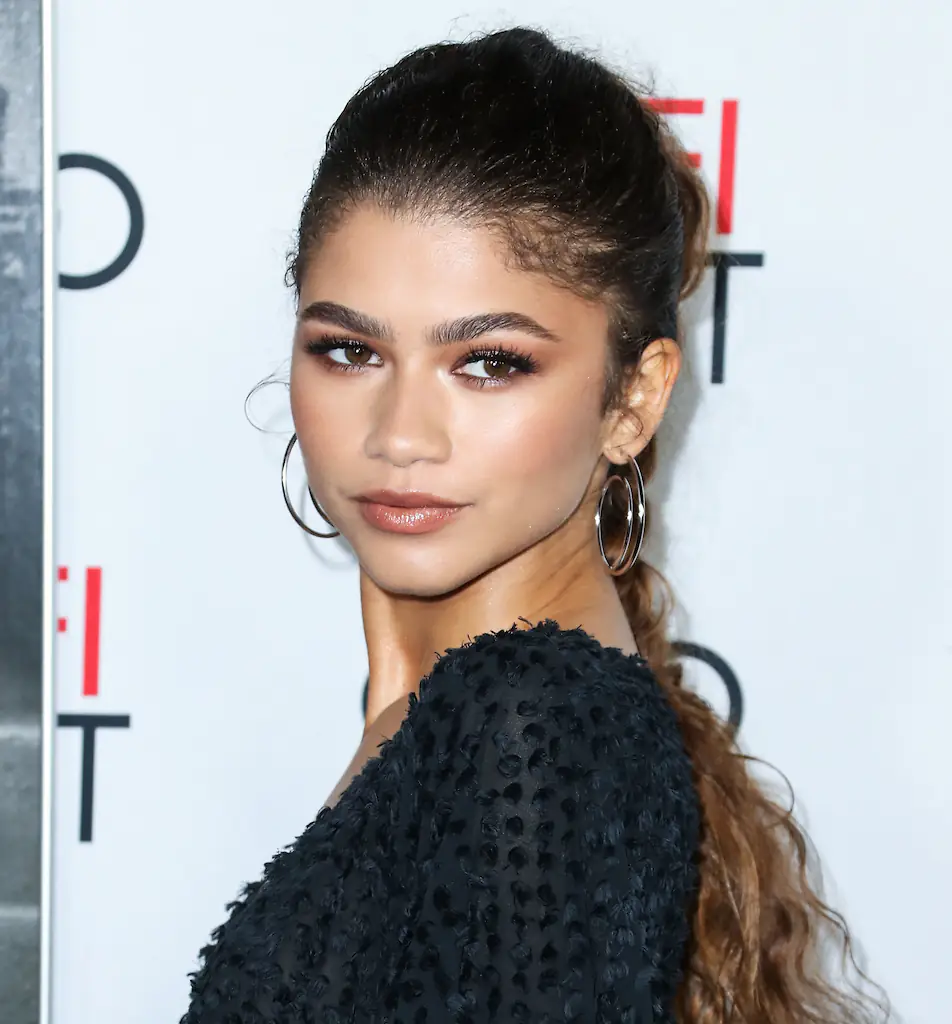
Zendaya Maree Stoermer Coleman is a former Disney star who happens to have both German and Sub-Saharan African heritage. Credit: PA Images One of the most high-profile mixed-race actors in Hollywood right now is recent Emmy-winner Zendaya.
The 24-year-old had her breakthrough role back in 2010 as Rocky Blue in Disney’s Shake It Up.
Now, in real life, Zendaya has a white mum and a black dad. But surprise, surprise, when casting her character's parents, execs of the show (thinking it was 1910 rather than 2010) chose not to portray them as an interracial black and white couple.
Interestingly, some argue that this type of casting actually benefits mixed-race actors, who are often considered "light-skinned" black people in the African American community.
It is argued that "light-skinned" black people are seen as the more "palatable" face of the black community, and are therefore able to secure more roles.
In fact, Zendaya herself once agreed with this theory, saying she was Hollywood's "acceptable version of a black girl".
"As a black woman, as a light-skinned black woman, it's important that I’m using my privilege, my platform to show you how much beauty there is in the African-American community," she said speaking at 2018's BeautyCon Festival.
"I am Hollywood's, I guess you could say, acceptable version of a black girl and that has to change," she added.
This is a valid critique that applies to the entertainment industry as a whole, where black artists with significant European heritage tend to - with some exceptions - find it easier to achieve mainstream popularity.
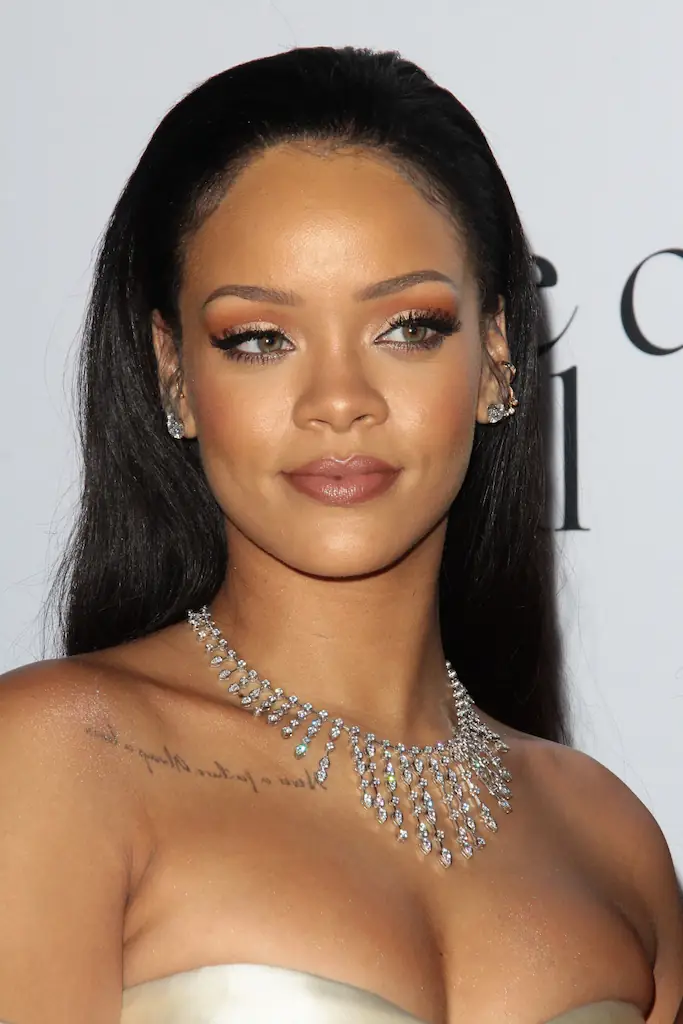
In the music industry, performers like Drake, Beyoncé, and Barbadian-born Rihanna have become the face of the black community, leaving some darker-skinned African Americans to feel that they themselves don't cater to a Western audience.
This, as well as the marginalisation of mixed-race identities, needs to be addressed.
Rihanna attends the Clara Lionel Foundation 2nd Annual Diamond Ball on December 10th, 2015. Credit: PA Images Now, I don't want to jump the gun here, but I do feel that it is changing - albeit incredibly slowly.
In fact, nearly a decade on from her days as a Disney starlet, and Zendaya is now starring in HBO's Euphoria - in which, miraculously, her character’s mum happens to be black and her dad white. (Again, mixed-race representation really is that simple.)
Other examples of mixed-race characters I have encountered in recent years include:
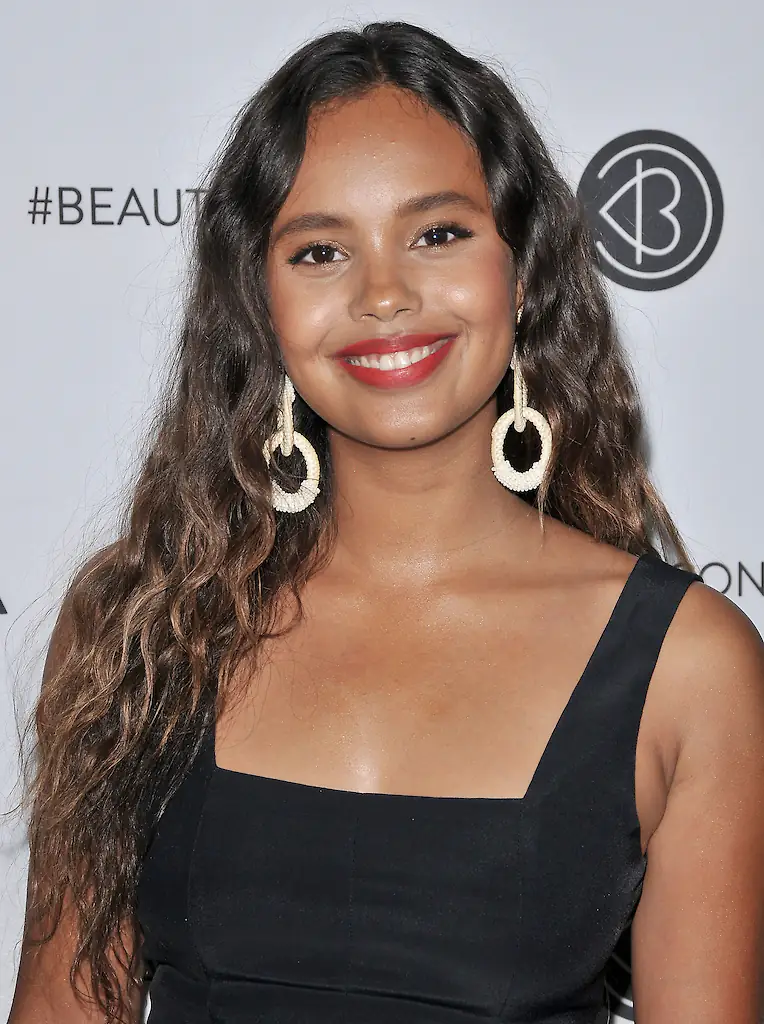
American Honey's lead character, Star (Sasha Lane), Glee character, Jake Puckerman (Jacob Artist), Grey's Anatomy character, Jackson Avery (Jesse Williams), and 13 Reasons Why character, Jessica Davis (Alisha Boe).
13 Reasons Why actor Alisha Boe was born in Norway to a Norwegian mother and Somali father. Credit: PA Images As fantastic as this is, it would be great to get to a point where I don't instinctively double-take every time I see a mixed-race actor playing - you know - a mixed-race character.
Because contrary to what mainstream media would have you believe... black and white are not mutually exclusive.