


Celebrity2 min(s) read
Greta Thunberg's little sister leads a life that couldn't be more different from her activist sibling
.webp_SmgFsc?tr=cr-292.0.1244.952,f-webp,q-70,w-100)
Greta Thunberg's younger sister, Beata MonaLisa, has carved out a career far removed from the global spotlight surrounding the climate activist, making it clear she has no interest in following the same path.
Known professionally as Bea, the 20-year-old Stockholm-based singer, dancer, and self-trained performer is currently completing her debut album while attracting a loyal online following with her theatrical covers of classic songs, including Whitney Houston's 'I Will Always Love You.'
While Greta became internationally known through climate protests and high-profile appearances on the world stage, Bea has focused on music and performance. She has also made it clear that she does not want to be defined by her famous sister's work.
Bea is building her own career in music
Bea told Interview Magazine that she taught herself to sing after becoming disillusioned with the classical music school she attended as a child, choosing to pursue pop music instead.
From the age of 12 to 17, she played Edith Piaf in a stage production, an experience she said continues to influence her vocal style.
Earlier this year, a live performance filmed at Musikaliska Kvarteret, which is described as Sweden's oldest music hall, went viral online.
Speaking about the reaction, she said: "There was a rumour in America that it was AI. At first, I was offended, but then I took it as a compliment. People were fully convinced. There was a lot of hate as well."
Bea also explained why she avoids vocal editing, saying: "I decided never to use it. I record everything live. I like it brutal and raw."
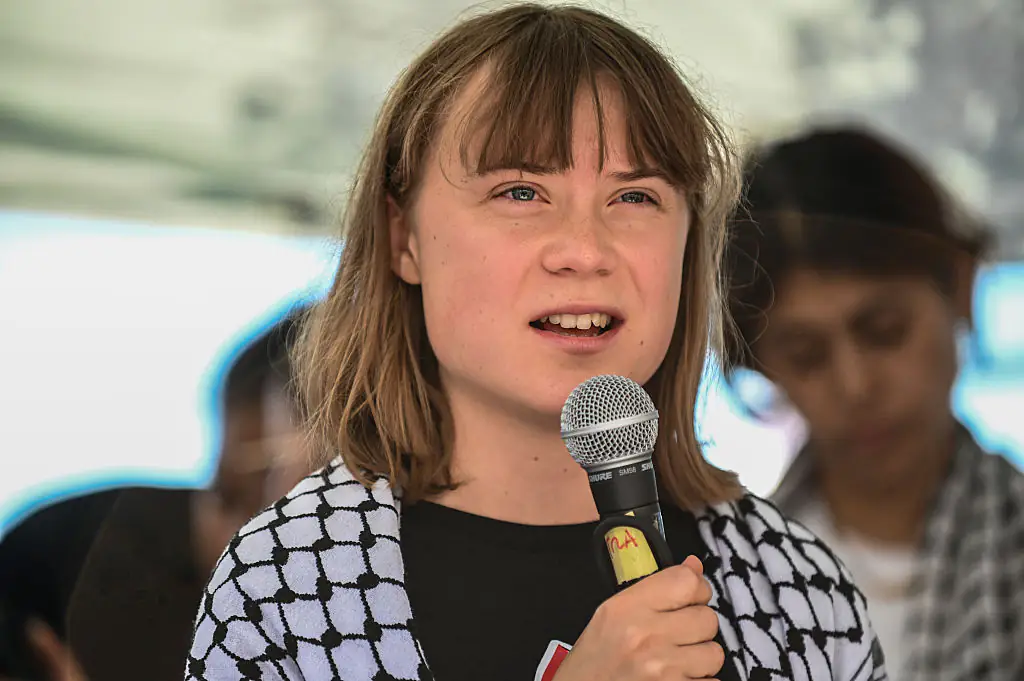
Bea responds to questions about Greta
When asked about her relationship with her older sister's activism, Bea offered a short and direct response.
"I'm not responsible for other people's lives."
She also spoke about her connection with Sweden's LGBTQ+ community, explaining that while she is not queer herself, much of her fanbase is. Bea described performing at a queer event hosted by Robert Fux from Drag Race Sweden as one of the most meaningful moments of her career because it was the first time she truly felt recognized as an artist. She later wrote a tribute song about the experience during her taxi ride home.
Bea also opened up about difficulties she has encountered in the music industry.
“I have many straight male producers who tell me how to sing. They want to feel like they’ve taught me.
“A loud, young female is very provocative, especially to them because they want to have control.”
.jpg_I4Ebof?tr=cr-0.338.2730.3068,f-webp,q-70,w-100)


.webp_vBqgAR?tr=cr-242.0.1293.1051,f-webp,q-70,w-100)


.jpg_I4Ebof?tr=cr-0.338.2730.3068,f-webp,q-70,w-1024)


.webp_vBqgAR?tr=cr-242.0.1293.1051,f-webp,q-70,w-1024)

