


Celebrity3 min(s) read
How much performers got paid to play 'moving bushes' in Bad Bunny's Super Bowl halftime show
.webp_QQJmGo?tr=cr-345.0.1535.1190,f-webp,q-70,w-100)
Super Bowl LX may be over, but the buzz surrounding Bad Bunny's show-stopping halftime performance continues to captivate fans everywhere.
While the Seattle Seahawks secured their win against the New England Patriots with a 29-13 victory, it was the Puerto Rican rapper who stole the spotlight.
His 14-minute set quickly became the talk of the town. However, what many might not know is the remarkable earnings of the performers who helped bring his vision to life.
The Surprising Twist: Real People as the "Grass" on Stage
One of the most talked-about elements of Bad Bunny’s performance was the striking stage design.
Fans were initially shocked by the tall grass and vibrant greenery that seemed to grow out of the stage.
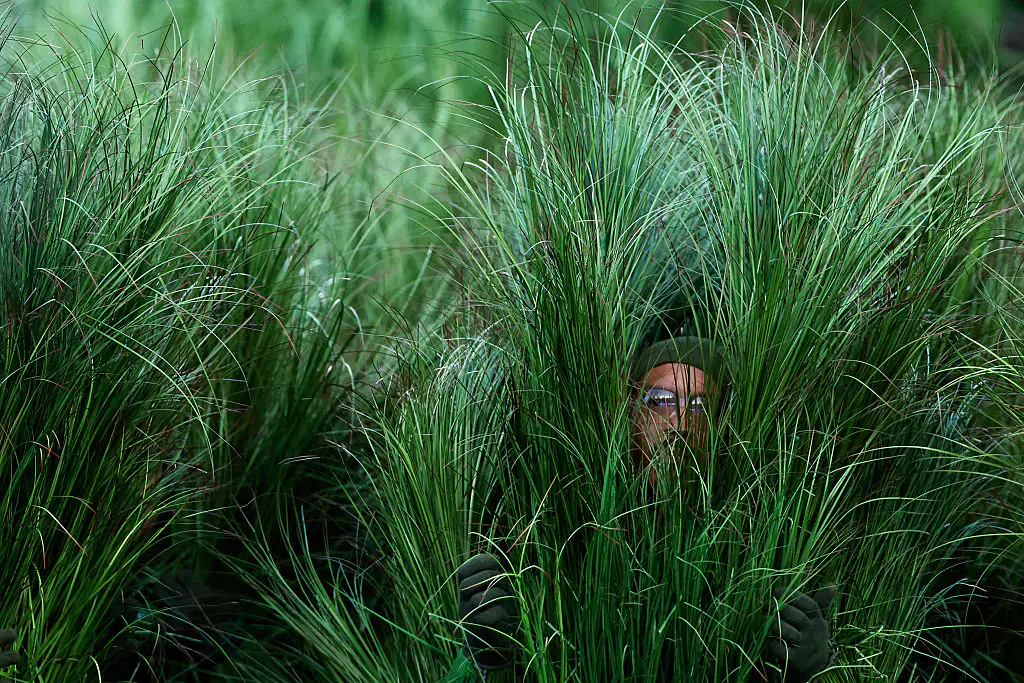
At first glance, viewers assumed it was part of the set, but the twist was even more unexpected. The “grass” was actually made up of real dancers dressed as plants, mimicking the movement of bushes and greenery.
This unique design paid homage to Bad Bunny’s hometown of Vega Baja, Puerto Rico, incorporating both creativity and culture into the visual spectacle. But this wasn’t just about rolling in grass - it was a carefully choreographed and physically demanding job for the dancers involved.
How Much Did The Grass Performers Get Paid
One of the standout dancers in this innovative performance was Andrew Athias, better known online as "The Reese’s Guy."
He traveled all the way from Philadelphia to be part of the groundbreaking halftime show. As one of the 500 dancers, Andrew played a crucial role in bringing the “living grass” concept to life.
However, being part of this iconic performance came with a physical and logistical challenge.
The performers had to meet specific height and build requirements, such as being between 5'7" and 6' tall and possessing an athletic physique.
To make matters more demanding, they had to wear a 50-pound costume for hours at a time, sometimes enduring up to five hours in these outfits during rehearsals and the actual performance.
Despite the discomfort, Andrew said the experience was worth every ounce of effort.
While his hourly wage was just $18.70, covering his time for dress fittings and rehearsals, the chance to be a part of Super Bowl history made it all worthwhile.
“I would have done it for free anyway,” Andrew admitted, underscoring the once-in-a-lifetime opportunity of performing on such a massive stage.
The Secrecy Factor: A Unique Challenge for Super Bowl Performers
Aside from the physical demands, the performers also had to deal with another intense aspect of the Super Bowl experience: secrecy.
Each performer was required to sign a Non-Disclosure Agreement (NDA), which meant they couldn’t share any details about the performance or discuss their participation on social media for two full weeks leading up to the big game.
This secrecy made the entire experience even more thrilling but also added significant pressure. For Andrew, this meant biting his tongue while fans on social media speculated about the setlist and the details of the halftime show.
“It was so hard to have so much knowledge and power and not be able to do anything with it,” he revealed, highlighting the intense anticipation surrounding the performance.