


Celebrity2 min(s) read
Producer who worked on Oprah Winfrey's $8 million 'You get a car' giveaway reveals the 'devastating' reality winners faced once the cameras stopped rolling
.webp_SmgFsc?tr=cr-292.0.1244.952,f-webp,q-70,w-100)
The automotive world frequently relies on massive spectacles to capture public attention, ranging from celebrity television giveaways to pioneering electric vehicle launches.
While these grand moments often live on through viral internet memes and historical summaries, the reality behind the scenes can be far more complicated than viewers realize.
Both production teams and early automotive adopters often face unexpected financial burdens once the initial excitement fades.
One of the most famous examples occurred in 2004 during a now-iconic episode of The Oprah Winfrey Show, where the host surprised her entire studio audience with a free vehicle.
The massive marketing stunt distributed 276 Pontiac G6 cars, totaling roughly $7.7 million at the time. Although the audience reacted with pure joy on camera, a major tax problem quickly turned the generous gesture into a public relations headache for the show's staff.
The hidden costs of television generosity
Because the vehicles were legally classified as gifts, the recipients were responsible for paying standard federal income tax on the value of the prize.
While the producers covered the sales tax and registration fees, they could not absorb the personal income tax obligations for every single winner.
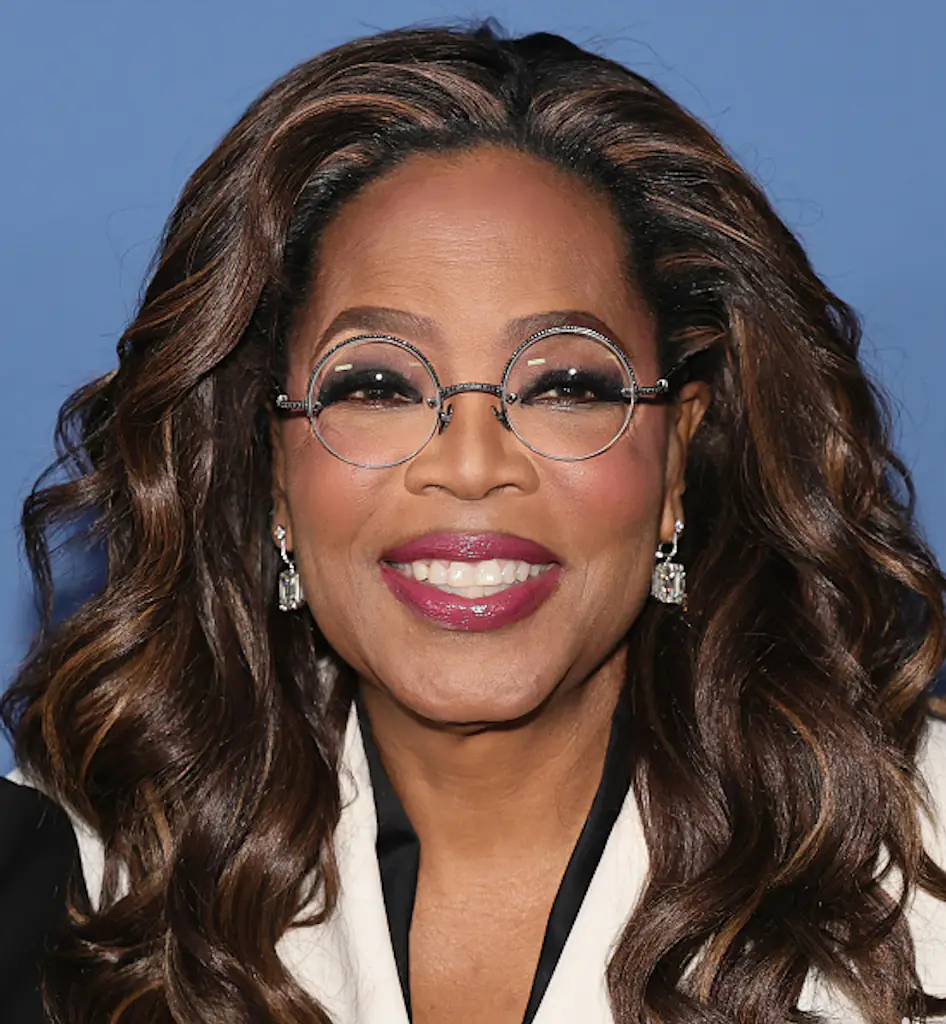
This left many audience members with sudden bills worth thousands of dollars, leading to significant backlash in the media.
What producer Lisa Erspamer had to say
Reflecting on the situation during an episode of the podcast Making Oprah: The inside story of a TV revolution, producer Lisa Erspamer described the toll the response took on the staff.
“It was devastating after, because ‘gift tax’ is a thing, and it’s always a complicated thing when you’re giving stuff away,” she noted. Erspamer further explained the team's efforts to mitigate the issue, stating, “But we paid for the sales tax and the registration for each car, and we told the audience after, if they didn’t want to have to pay a gift tax, they could actually take cash for the car.
"And because we didn’t pay the gift tax, people complained to the press, and that was devastating. We put our whole soul into this moment of television and with real intention to do something good, and so when people had a negative reaction, it literally hurt our feelings.”
.webp_QQJmGo?tr=cr-345.0.1535.1190,f-webp,q-70,w-100)




.jpg_I4Ebof?tr=cr-0.338.2730.3068,f-webp,q-70,w-100)

.webp_vBqgAR?tr=cr-242.0.1293.1051,f-webp,q-70,w-100)


.webp_QQJmGo?tr=cr-345.0.1535.1190,f-webp,q-70,w-1024)

.jpg_I4Ebof?tr=cr-0.338.2730.3068,f-webp,q-70,w-1024)


.webp_vBqgAR?tr=cr-242.0.1293.1051,f-webp,q-70,w-1024)
