


Celebrity5 min(s) read
Strange nicknames Michael Jackson had for teen boys emerge in new Netflix documentary

A new Netflix documentary examining the criminal case against Michael Jackson has revealed the unusual nicknames he gave to some of the young boys who spent time around him.
Michael Jackson: The Verdict, a three-part docuseries, revisits the late musician's 2005 criminal trial and features interviews with former members of his inner circle, attorneys, journalists, and others connected to the case.
One of those interviewed is former publicist Vincent Amen, who was hired by Jackson's team during the fallout from Martin Bashir's controversial 2003 documentary, Living with Michael Jackson.

Amen recalled being assigned to help the Arvizo family, who became closely linked to the singer after Gavin Arvizo, who is a cancer survivor, appeared in the documentary.
At the time, the 'Billie Jean' superstar was facing intense criticism after revealing during Bashir's documentary that he allowed children, including Arvizo, to sleep in his bed.
In The Verdict, Bashir recalled being "absolutely gobsmacked" by the admission and said he did not fully realize the impact of the comments until the documentary aired.

The Polaroids that raised questions
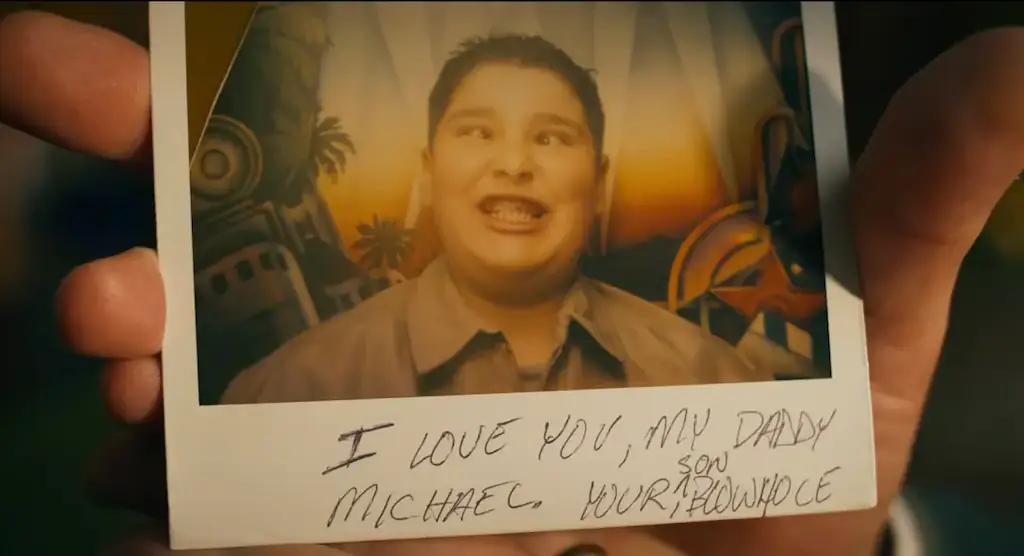
During the documentary, Amen presents a collection of Polaroid pictures he says he has kept for more than 20 years.
The images feature members of the Arvizo family, including Gavin's mother, Janet, and his younger brother Star. However, it was the handwritten messages on the photographs that caught Amen's attention.
One image showing Janet and Star included a message reading: "Dearest loving Michael, we appreciate you being our family. What God brings together, no man can undo. We love you."
Another photograph featured a message from Star that read: "I love you, my daddy Michael. Your son, Blowhole."
According to Amen, these were the kinds of nicknames Jackson allegedly used for young boys in his circle.
The documentary notes that Star later testified during the singer's 2005 trial that the singer called him "Blowhole".
A 2005 report by The Washington Post stated that Star, who was 14 at the time, told the court Jackson also used the nicknames "Apple Head" and "Doo-Doo."
Revisiting the Arvizo allegations
The 'Thriller' hitmaker was accused of giving Gavin alcohol, showing him pornography, and molesting him at Neverland Ranch in Santa Barbara County, California. He was ultimately acquitted of all charges.
The documentary also revisits a video featuring the Arvizo family that was produced after the Bashir interview aired.
In the footage, Janet defended Jackson and described him as a father figure to her children.
"Gavin was the one that asked him, 'Could I call you daddy?'" she said. "And Michael said, 'Of course'. A very beautiful and innocent relationship which everyone has spun it out of control. To see my children interact with a father role model... he plays with them, he laughs with them, he lets them win."
Addressing the camera operator, she continued: "You know how Bashir zoomed in on [Jackson and Gavin] holding hands, do the same thing! Because that's what a mother does with a son, or a father does with a son - and they tried to make it out to be something wrong and dirty."
Amen said that at the time, he believed Janet's statements were genuine. "I physically watched and believed her responses to be true, that nothing ever occurred untoward to them, by Michael Jackson," he said.
Criminal defense attorney Mark Geragos, who represented Jackson during the trial, offered a different interpretation of the recording.
"This video is an insurance policy, should the Arvizo family make an allegation against Michael," he said.
"If someone is on the stand and they say something, you could have a snippet ready on video and show a jury. 'You said that then, and this is now?' And then that forces the witness to have to explain themselves."
Janet later claimed that she and her children were pressured into participating in the video.
According to the BBC, she testified in court that her family had allegedly been warned they would "be killed" if they refused.
"I was confused, I was sad, so basically I was acting," Janet said. "I was just like a sponge, believing him, trusting him."
Other Claims Featured In The Documentary
The docuseries also includes additional allegations connected to the investigation surrounding the King of Pop.
Amen claims he once opened a bag he had been asked to store and allegedly discovered an illegal magazine.
"There was a Sharpie… circles around the video ordering section. Someone wanted these videos and circled the ones they want. These videos, which are children naked. Some with family, some just naked children," he said.
Elsewhere, investigative journalist Diane Dimond alleges that Jackson spent time in Las Vegas with groups of teenage boys while his home was being searched by police.
"And he's having wild parties," she claimed. "There were cigarette burns in the leather couches and chairs. There were empty liquor bottles on every table. And this is where Michael Jackson had been for several days, entertaining young teenage boys, who all spoke German."
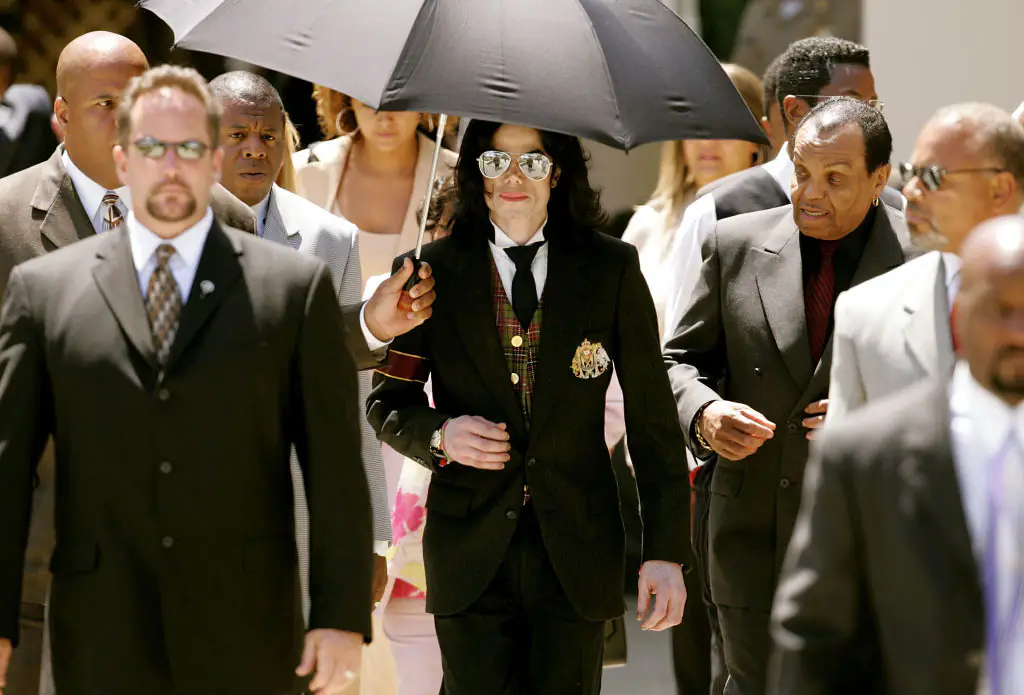
Jackson died in 2009 at the age of 50.
The Netflix film also examines Jackson's declining health following his arrest.
"I watched him just disintegrate, literally disintegrate," Geragos said. "The ingestion of substances was just astronomical.
"There was a time when I actually saw him in the fetal position on the floor, and I thought, 'What do we do?' I mean, you don't want his death to be on your hands because you took some inaction," he added.
Michael Jackson: The Verdict is available to stream on Netflix now.